 Preview
 Send
Send Share
Share
 Details

 Download
 Similars
 X-Ray
X-Ray Diaporama
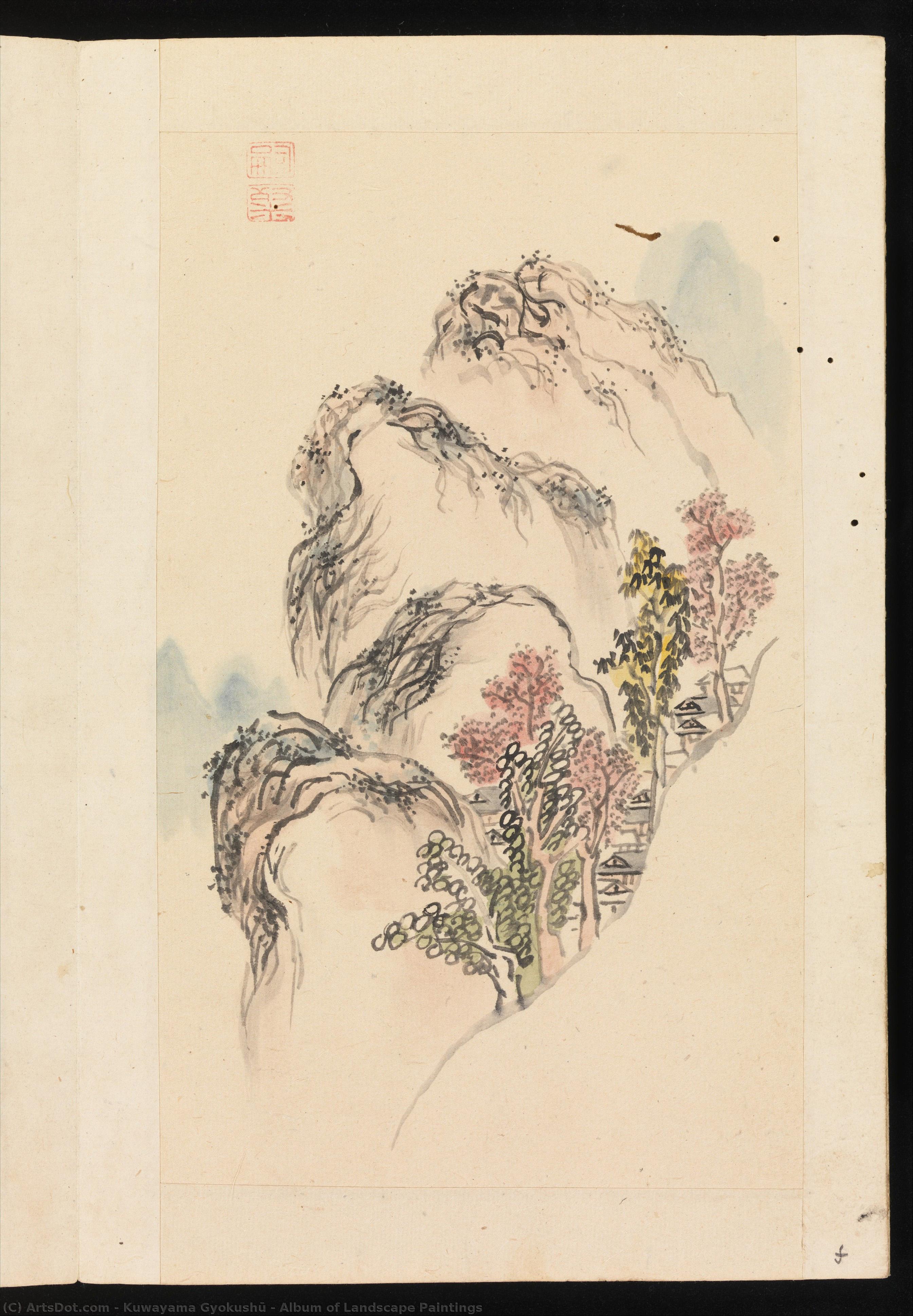
Album of Landscape Paintings
 701
701 22.0cm x 14.0cm
 Read More
Hand Made Oil Reproduction
Hand-painted oil on canvas in your size and frame, made to order by our artists. ( Buy Print Buy Image)




































Pick from our preset sizes that match the artwork's original proportions.

You may enter your own dimensions to fit a specific frame or space. If your selected size does not match the original image's proportions, we will either crop the artwork or extend the painting with additional hand-painted elements. A digital mockup will be sent for your approval before production begins.
Please note that the on-screen preview does not reflect the actual cropping or extension. Only the mockup will accurately show the final composition.
While custom sizes are available, we recommend selecting a dimension from the predefined list to preserve the original proportions.
After order, ArtsDot.com team will email client for instructions and provide a mockup preview
Worldwide Delivery () in 3/4 weeks instead of standard 5 weeks. (5 September). No compromise on quality.

Free Worldwide Express Shipping

High-Quality Linen Canvas

Full Shipping Insurance

Customs Tax Refund Guarantee

True Color Matching Guarantee

60-Day Return Policy (Defects Only)

100% Money-Back Guarantee

Bulk Discount Offer
 Glass option is only available in size under 110 CM

Album of Landscape Paintings
Reproduction Medium
Reproduction Size
-


Total Price
$ 263
Related Artworks









Artist Biography
A Merchant’s Brush: The Life and Landscapes of Kuwayama Gyokushū
Kuwayama Gyokushū, a name perhaps less familiar than some of his contemporaries, represents a fascinating intersection of worlds in Edo-period Japan. Born in 1746 and passing away in 1799, Gyokushū’s life was not one traditionally devoted to art from its inception. He was, first and foremost, a successful shipping merchant and farmer – a man deeply rooted in the practicalities of commerce and agriculture. It was later in life that he turned with increasing dedication to painting, specifically landscape painting, becoming a notable figure within the literati tradition despite his unconventional background. This unique trajectory profoundly shaped his artistic vision, imbuing his work with a distinctive sensibility that blended refined technique with an earthy realism rarely found in purely academic circles. He hailed from a prosperous family involved in maritime trade, providing him not only financial stability but also exposure to diverse regions and perspectives – elements that would later subtly inform the scenes he depicted.The Literati Influence and Gyokushū’s Distinct Style
Gyokushū's artistic development was significantly influenced by his study under Ike Taiga, a prominent painter of the Kanō school with strong ties to literati painting. The literati tradition, deeply rooted in Chinese scholar-painting, emphasized not merely technical skill but also intellectual depth, poetic expression, and a connection to nature as a source of spiritual renewal. Gyokushū embraced these principles wholeheartedly, yet he didn’t simply replicate his teacher's style. While Taiga often favored bold compositions and vibrant colors, Gyokushū developed a more subdued palette and a remarkable ability to capture atmospheric effects. He was particularly adept at using washes of ink to convey the nuances of light and shadow, creating landscapes that felt both serene and deeply evocative.- Subtle Palette: Unlike many contemporaries, Gyokushū favored muted tones, emphasizing atmosphere over bright coloration.
- Ink Wash Mastery: His skillful use of ink washes created depth and a sense of realism in his landscapes.
- Literati Sensibility: He incorporated poetic elements and philosophical themes into his work, reflecting the scholar-painting tradition.
Major Works and Artistic Themes
Among Gyokushū’s most celebrated works are his Album of Landscape Paintings, a collection showcasing his mastery of varied scenes and techniques. Each painting within the album is a miniature world, inviting viewers to immerse themselves in its tranquility and contemplate the beauty of nature. Another notable piece is Bamboo and Rock in Snow, which exemplifies his ability to convey symbolic meaning through simple yet powerful imagery. The stark contrast between the dark rocks and the delicate bamboo creates a sense of quiet drama, while the unpainted areas suggest the vastness and stillness of winter.- Album of Landscape Paintings: A showcase of his diverse techniques and serene compositions.
- Bamboo and Rock in Snow: Demonstrates symbolic depth through minimalist imagery.
- Landscape with Fisherman Outside a Cave: Captures the quiet life of rural Japan, blending realism with poetic sensibility.
Historical Significance and Legacy
Kuwayama Gyokushū’s significance lies not only in his artistic achievements but also in his unique position as a self-made artist who successfully bridged the gap between commerce and culture. He challenged conventional notions of what it meant to be a painter, demonstrating that artistic talent could emerge from unexpected backgrounds. His work resonated with a growing audience of literati scholars and art connoisseurs who appreciated his refined technique, poetic sensibility, and earthy realism. While he may not have achieved the widespread fame of some of his contemporaries, Gyokushū left behind a body of work that continues to captivate viewers today, offering a glimpse into the beauty and tranquility of Edo-period Japan and reminding us of the enduring power of art to inspire contemplation and connect us to the natural world. His paintings serve as a testament to the transformative potential of artistic expression and the importance of finding harmony between inner reflection and the external world.
Quick Facts
- Artistic Movement Or Style: Literati painting
- Artists Who Influenced This Artist: ['Ike Taiga']
- Date Of Birth: 1746
- Date Of Death: 1799
- Full Name: Kuwayama Gyokushū
- Nationality: Japanese
- Notable Artworks:
- Album of Landscape Paintings
- Bamboo and Rock in Snow
- Landscape with Fisherman