

 Preview
 Send
Send Share
Share
 Details

 Download
 Similars
 X-Ray
X-Ray Diaporama
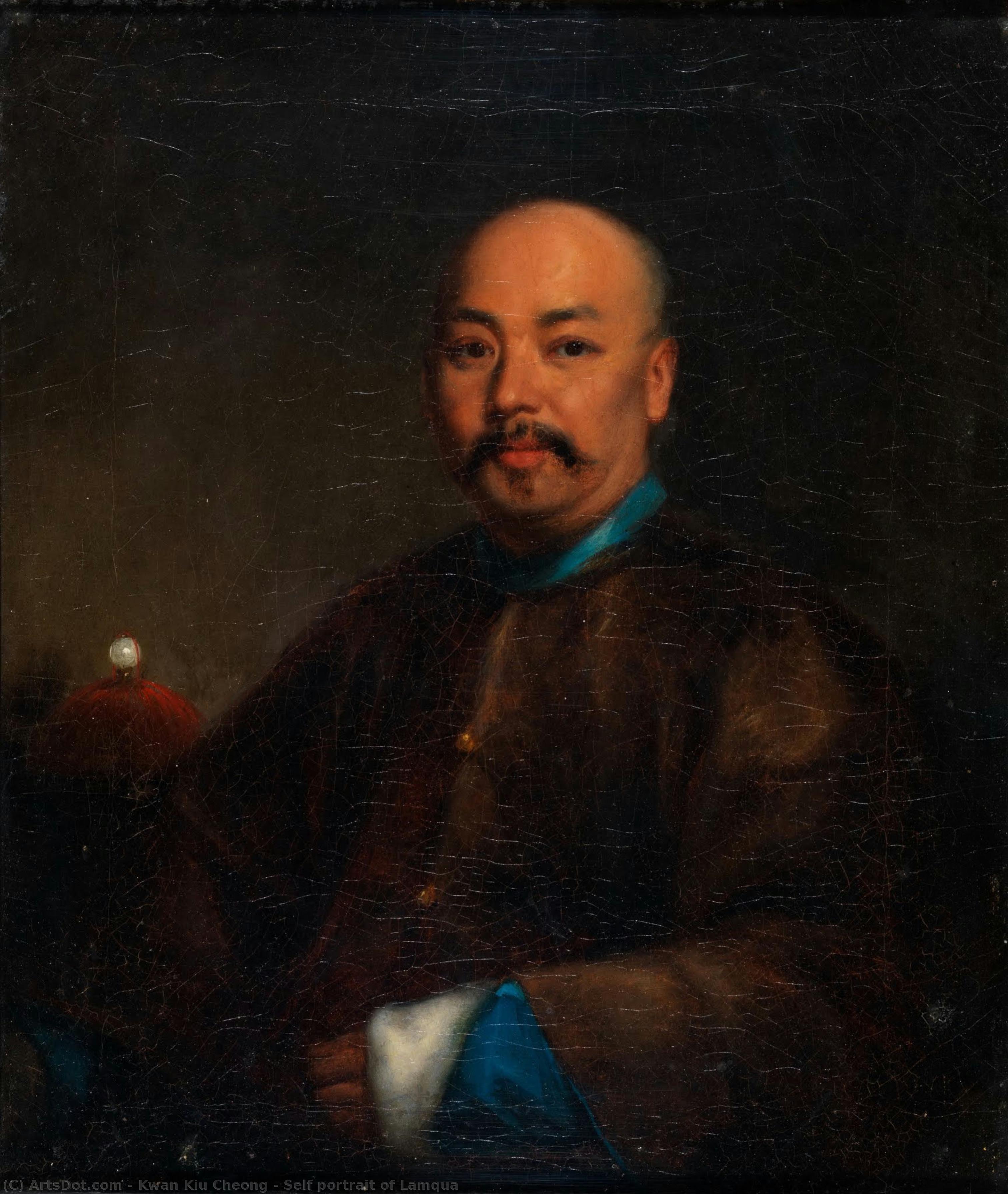
Self portrait of Lamqua
 Watercolor
- WallArt
- Western Portraiture
 19th Century
 24.0 x 30.0 cm
 Hong Kong Museum of Art
 Read More
Purchase a high-resolution, enhanced digital image, far superior to the online preview.
Each file is meticulously prepared by our in-house specialists using advanced tools and expert manual retouching. We ensure every image has exceptional clarity, precise color accuracy, and fine detail.
The final file is delivered via email within 72 hours, optimized for immediate use in professional, editorial, and print environments. This is the same quality trusted by top-tier design studios, publishers, and galleries.
Digital Image
Download a high-resolution file for personal display, printing, and creative projects. ( Buy Print Buy Hand Made Painting)
Included in Every Digital Image Order
Expert Digital Delivery, Guaranteed
When you choose ArtsDot.com, you're not just getting an image - you're receiving a professionally enhanced digital artwork, crafted with precision and backed by a satisfaction guarantee. Here's everything that comes with your order, automatically:

Fast Email Delivery
Your high-resolution digital image file will be emailed to you within 72 hours of ordering - ready for immediate use.

AI-Enhanced Digital File
Your artwork is professionally optimized using advanced AI tools and manual editing, ensuring maximum detail, clarity, and color accuracy.

Free Lifetime Re-Delivery
Accidentally deleted or lost your file? No worries - we'll resend it to you anytime, free of charge.

No Import Fees - Ever
Enjoy your artwork instantly with zero customs, duties, or delivery fees - digital downloads are always tax-free.

Color Accuracy Guarantee
We ensure your digital image reflects the original colors as closely as possible using professional tools and color management.

60-Day Satisfaction Guarantee
If you're not satisfied with your digital image, we'll revise it or refund 100% within 60 days - no questions asked.

100% Money-Back Guarantee
Not satisfied? Get a full refund within 60 days of receiving your digital file - no questions asked.

Bulk Order Discounts
Buy 3 images, save 10% - Buy 5, save 15% - Buy 10+, save 20%. Great for creative projects, galleries, and agencies.
Collectible Description
A Mirror of Two Worlds: The Visionary Self-Portrait of Lam Qua
In the quiet, dimly lit interiors of mid-19th century Canton, a profound artistic metamorphosis was taking place, captured forever in the gaze of Kwan Kiu Cheong. Known to history as Lam Qua, this pioneering figure stands as a bridge between the venerable traditions of the East and the emerging realism of the West. His self-portrait is not merely a likeness of a man; it is a breathtaking testament to a cultural intersection. Through the masterful use of light and shadow, Lam Qua invites us into a moment of deep introspection, where the artist’s identity is forged in the delicate tension between his Chinese heritage and the Western techniques he so brilliantly adopted.
The composition of this remarkable work reveals a man of immense presence. Clad in a rich blue robe, Lam Qua sits with a dignified composure that commands the viewer's attention. The meticulous rendering of his textured attire—from the heavy folds of the fabric to the subtle sheen of a satin cuff—demonstrates an extraordinary command over materiality. His facial hair, rendered with fine, individual strokes, lends a rugged yet refined character to his visage, while his eyes, fixed directly upon the observer, create an intimate, almost haunting connection that transcends the decades separating us from his era.
The Alchemy of Technique and Tradition
What makes this self-portrait a masterpiece of technical fusion is Lam Qua’s sophisticated application of tonal gradation. Influenced by the British painter George Chinnery, the artist moved away from the flat, linear traditions of classical Chinese ink painting toward a more volumetric approach. By layering thin, translucent washes of pigment, he achieved a luminous quality that mimics the natural play of light across skin and silk. This technique allows for a soft, atmospheric depth that breathes life into the scene, making the subject feel tangible and present.
The artist likely utilized a mirror to achieve such exacting precision, a method that allowed him to observe the subtle nuances of his own features with scientific accuracy. This dedication to realism was not just an aesthetic choice but a professional hallmark, as Lam Qua would later become renowned for his precise medical illustrations. In this self-portrait, we see the seeds of that precision blossoming into high art, where every shadow cast in the background and every highlight on the face serves to build a three-dimensional reality within a two-dimensional plane.
A Window into the Qing Dynasty Social Fabric
Beyond the individual, the painting serves as a poignant historical document of Qing Dynasty society. The presence of secondary figures flanking the central subject and the inclusion of a simple bowl suggest a scene of quiet social ritual—perhaps a moment of hospitality or intellectual exchange. These elements hint at the importance of communal connection and the contemplative lifestyle of the educated class in Hong Kong and Canton during this period. The dimly lit setting evokes a sense of privacy and scholarly focus, characteristic of an era where art and medicine were deeply intertwined with the observation of the natural world.
For the discerning collector or interior designer, this reproduction offers more than just visual beauty; it provides a conversation piece steeped in historical significance. It is a work that brings a sense of intellectual gravity and timeless elegance to any space. Whether placed in a study, a gallery, or a sophisticated living area, the Self-portrait of Lam Qua acts as an anchor of culture, reminding all who view it of the enduring power of human creativity to bridge even the widest of cultural divides.
Related Artworks
Artist Biography
Kwan Kiu Cheong (Lam Qua): A Pioneer of Western Portraiture in China
Kwan Kiu Cheong, more commonly known as Lam Qua, was a remarkable Chinese painter who flourished during the Qing Dynasty (1801-1860). Originating from the Canton province, he distinguished himself through his exceptional ability to create portraits in a Western style, catering primarily to foreign clientele residing in China. His groundbreaking achievement of being the first Chinese artist exhibited in the West solidified his place in art history and significantly impacted the development of medical portraiture.
Early Life, Training & Influences
Born in 1801 in Canton province, Kwan Kiu Cheong’s early life remains somewhat shrouded in mystery. While definitive proof is lacking, it's widely believed he studied under George Chinnery, a British painter who was among the first Western artists to establish himself in China. Chinnery himself denied this direct mentorship; however, Lam Qua’s portraiture style bears striking resemblances to Chinnery’s work, suggesting a strong influence, whether formal or informal.
Medical Portraiture & Collaboration with Peter Parker
A Defining Partnership: A pivotal aspect of Kwan Kiu Cheong's career was his extensive collaboration with Peter Parker, an American medical missionary. From 1836 to 1855, Lam Qua meticulously produced a series of medical portraits depicting patients undergoing treatment under Parker’s care. These paintings form the core of the Peter Parker Collection, housed at Yale University within the Harvey Cushing/John Hay Whitney Medical Library. Additional examples can be found in the Gordon Museum at Guy's Hospital, London.
- Historical Significance: The Peter Parker collection provides invaluable insights into 19th-century medical practices and patient demographics in China. Lam Qua’s portraits are not merely artistic representations; they serve as historical documents, capturing the physical characteristics and conditions of individuals during a crucial period.
- Artistic Documentation: The meticulous detail in each portrait offers a glimpse into the medical understanding of the time, showcasing both advancements and limitations in diagnosis and treatment.
Style, Achievements & Historical Significance
Lam Qua’s artistic style was characterized by a unique fusion of Eastern and Western techniques. He skillfully blended Chinese painting traditions with Western portraiture conventions, resulting in works that were both aesthetically pleasing and culturally significant.
- Blending Techniques: While adopting the Western approach to portraiture – focusing on realistic representation and individual likeness – Lam Qua retained elements of traditional Chinese art, such as a subtle use of color and an emphasis on capturing the essence or spirit of the subject.
- Major Achievements: His most significant achievement was undoubtedly his pioneering role in introducing Western-style portraiture to China. He successfully catered to the demand for portraits among foreign residents, establishing himself as a sought-after artist.
- Historical Significance: Lam Qua’s work holds immense historical significance as it provides valuable insights into 19th-century Chinese society and its interactions with the West. His portraits serve as visual records of individuals who played important roles in shaping this era.
Kwan Kiu Cheong (Lam Qua) remains a testament to artistic innovation and cross-cultural exchange, leaving behind a legacy that continues to inspire and inform art historians and enthusiasts alike. His ability to bridge Eastern and Western traditions solidified his place as a pioneer in Chinese art history.
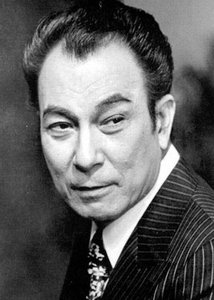
kwan kiu cheong
1801 - 1860 , China
Quick Facts
- Artistic Movement Or Style: Western-style portraiture
- Artists Or Movements Influenced By This Artist: ['Medical portraiture']
- Artists Who Influenced This Artist: ['George Chinnery']
- Date Of Birth: 1801
- Date Of Death: 1860
- Full Name: Kwan Kiu Cheong (Lam Qua)
- Nationality: Chinese
- Notable Artworks: ['Self Portrait of Lamqua']
- Place Of Birth: Guangzhou, China

