 Preview
 Send
Send Share
Share
 Details

 Download
 Similars
 X-Ray
X-Ray Diaporama
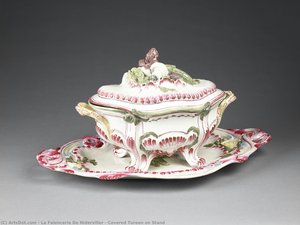
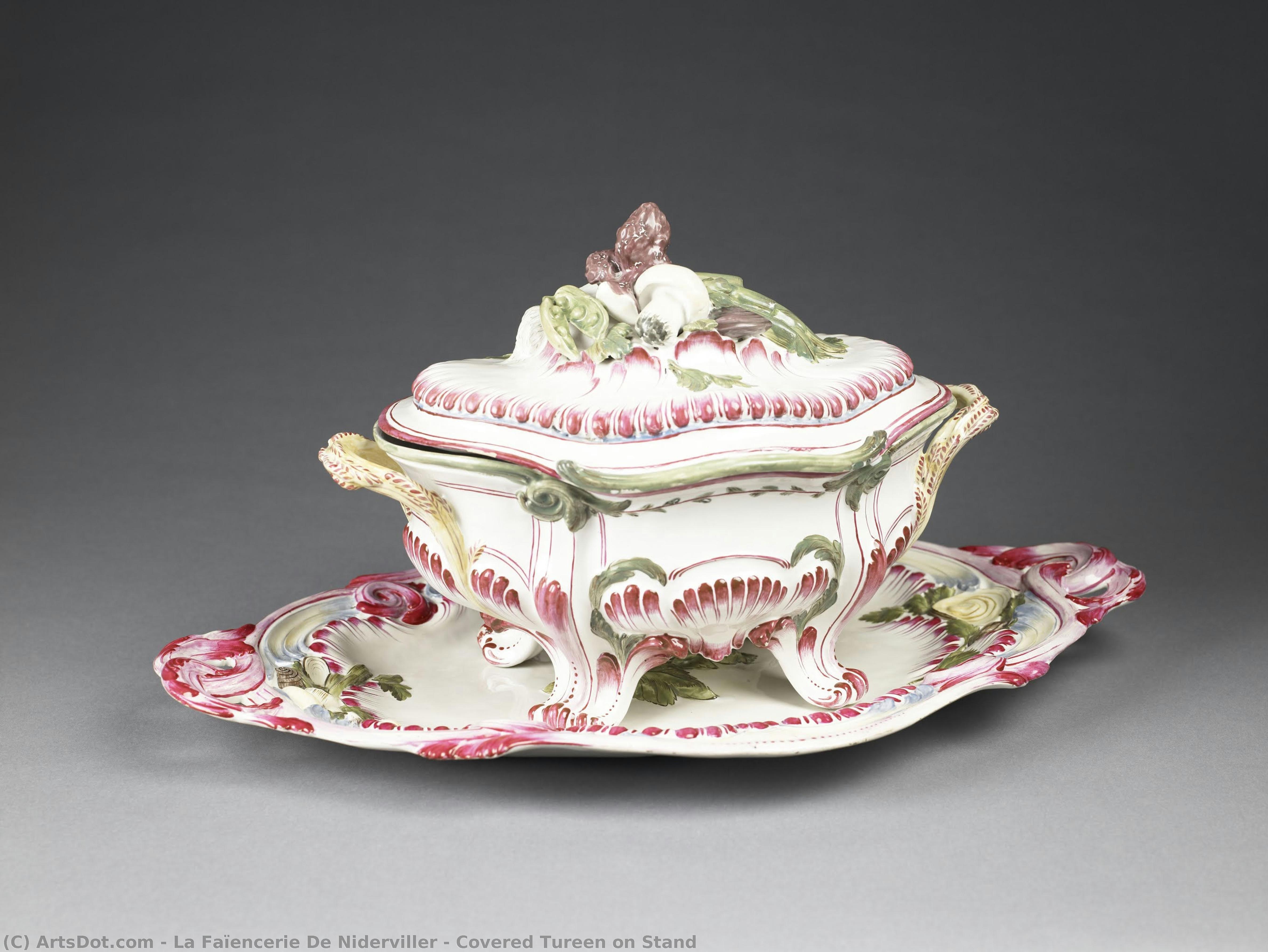
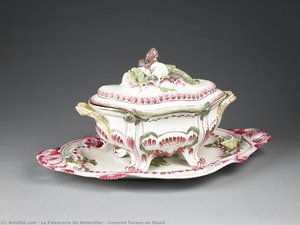
Covered Tureen on Stand

 Read More
Hand Made Oil Reproduction
Hand-painted oil on canvas in your size and frame, made to order by our artists. ( Buy Print Buy Image)




































Pick from our preset sizes that match the artwork's original proportions.

You may enter your own dimensions to fit a specific frame or space. If your selected size does not match the original image's proportions, we will either crop the artwork or extend the painting with additional hand-painted elements. A digital mockup will be sent for your approval before production begins.
Please note that the on-screen preview does not reflect the actual cropping or extension. Only the mockup will accurately show the final composition.
While custom sizes are available, we recommend selecting a dimension from the predefined list to preserve the original proportions.
After order, ArtsDot.com team will email client for instructions and provide a mockup preview
Worldwide Delivery () in 3/4 weeks instead of standard 5 weeks. (24 August). No compromise on quality.

Free Worldwide Express Shipping

High-Quality Linen Canvas

Full Shipping Insurance

Customs Tax Refund Guarantee

True Color Matching Guarantee

60-Day Return Policy (Defects Only)

100% Money-Back Guarantee

Bulk Discount Offer
 Glass option is only available in size under 110 CM

Covered Tureen on Stand
Reproduction Medium
Reproduction Size
-


Total Price
$ 263
Related Artworks






Artist Biography
A Legacy Forged in Lorraine: The Enduring Artistry of la faïencerie de Niderviller
Founded in 1735 in the charming village of Niedervillers, France, la faïencerie de niderviller stands as a remarkable testament to the enduring power of artistic tradition. More than just a factory, it represents one of the oldest and most historically significant faience manufacturers in Lorraine, remarkably surviving among the thirty that blossomed during the 18th century. Its story is one of adaptation, innovation, and a dedication to exquisite craftsmanship that continues to resonate today. Notably, Niderviller holds the distinction of being the second porcelain manufacturer in France, but uniquely, it pioneered “porcelain marchande”—porcelain produced for open market sale—a pivotal step in democratizing access to this luxurious art form.
The Embrace of Tradition and Innovation
Niderviller’s success was not born in isolation. Strategically positioned near Germany, the factory astutely absorbed technical expertise – particularly from Meissen, renowned for its porcelain mastery. This willingness to learn and adapt formed a crucial foundation for their early development. However, Niderviller didn't simply imitate; it skillfully blended these influences with the prevailing artistic currents of France, most notably drawing inspiration from the delicate Rococo style championed by artists like Antoine Watteau. The result was a distinctive aesthetic characterized by remarkable finesse and an elegance that often rivaled the prestigious manufacture de Sèvres. The factory’s early productions focused on tableware and decorative objects, quickly gaining recognition for their refined forms and meticulous detailing.
Pink Porcelain: A Signature Style
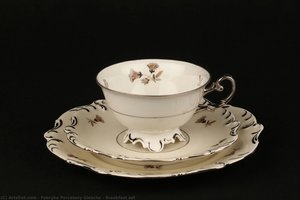
While Niderviller produced a diverse range of faience and porcelain, it became particularly celebrated for its distinctive pink hues. This signature color, achieved through careful experimentation with enamel recipes, set Niderviller apart from its contemporaries. The soft, romantic tones were often employed in the creation of elaborate tea services, decorative plates adorned with floral motifs, and charming figurines. The factory’s English-style earthenware also gained popularity, reflecting a broader European taste for more informal and picturesque designs. This ability to cater to evolving consumer preferences was key to their longevity.
Baron Beyerlé and the Golden Age
The 19th century witnessed a period of significant growth under the stewardship of Baron Beyerlé. He revitalized the factory, introducing new techniques and expanding its artistic repertoire. Beyerlé’s vision led to the production of increasingly elaborate and ambitious pieces, including large-scale decorative panels, intricate vases, and finely detailed sculptures. This era is often considered Niderviller's “golden age,” marked by a renewed commitment to artistic excellence and a growing international reputation. The factory participated in numerous exhibitions, showcasing its work to a wider audience and solidifying its position as a leading manufacturer of fine porcelain.
Challenges and Enduring Legacy
Despite its long history of success, la faïencerie de niderviller faced challenges in recent years. The parent group, Les Jolies Céramiques Sans Kaolin, declared bankruptcy in 2022. However, the factory itself continues to operate, carrying forward a centuries-old tradition of craftsmanship and artistry. Today, Niderviller remains a vital part of Lorraine’s cultural heritage, offering a unique glimpse into the world of 18th and 19th-century decorative arts. Its legacy is not merely one of beautiful objects; it's a story of resilience, adaptation, and an unwavering commitment to preserving the art of porcelain making for generations to come.
la faïencerie de niderviller
1735 - , France
Quick Facts
- Artistic Movement Or Style: Faience, Porcelain
- Artists Or Movements Influenced By This Artist: ['Sèvres']
- Artists Who Influenced This Artist:
- Antoine Watteau
- Meissen
- Date Of Birth: 1735
- Full Name: la faïencerie de niderviller
- Nationality: French
- Place Of Birth: Niedervillers, France