 Preview
 Send
Send Share
Share
 Details

 Download
 Similars
 X-Ray
X-Ray Diaporama
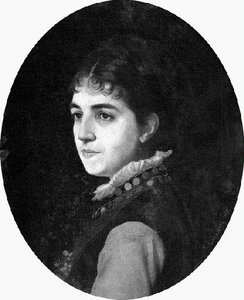
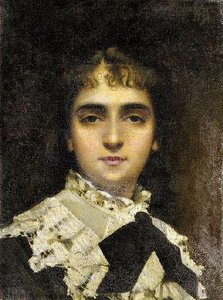
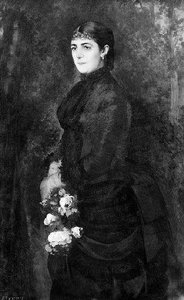
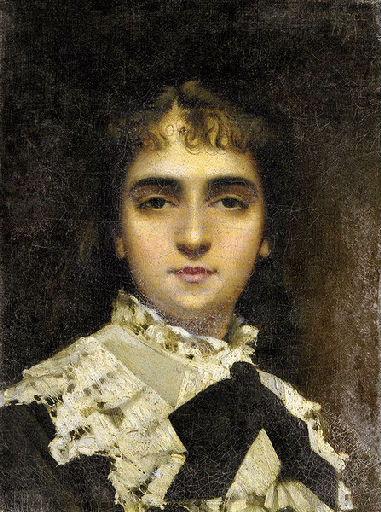
Portrait de femme
 Read More
Giclée / Art Print
Museum-quality giclée or canvas print with fast production and flexible finish options. ( Buy Hand Made Painting Buy Image)




































Pick from our preset sizes that match the artwork's original proportions.

You may enter your own dimensions to fit a specific frame or space. If your selected size does not match the original image's proportions, we will either crop the artwork or extend the image with a mirrored or solid-fill edge. A digital mockup will be sent for your approval before production begins.
Please note that the on-screen preview does not reflect the actual cropping or extension. Only the mockup will accurately show the final composition.
While custom sizes are available, we recommend selecting a dimension from the predefined list to preserve the original proportions.
Worldwide Delivery () in 2 weeks instead of standard 4/5 weeks. (24 August)

Free Worldwide Express Shipping

High-Quality Linen Canvas

Full Shipping Insurance

Customs Tax Refund Guarantee

True Color Matching Guarantee

60-Day Return Policy (Defects Only)

100% Money-Back Guarantee

Bulk Discount Offer
 Glass option is only available in size under 110 CM

Portrait de femme
Giclée / Art Print
Reproduction Size
-


Total Price
$ 63
Related Artworks






Artist Biography
A Delicate Hand: The World of Amélie Lacazette
The name Amélie Lacazette, while perhaps unfamiliar to many outside dedicated circles of 19th-century French portraiture, evokes a quiet power and refined sensitivity that deserves wider recognition. Born into an era defined by both Romantic fervor and the burgeoning Realist movement, Lacazette carved a unique path as a female artist specializing in intimate portraits – a field traditionally dominated by men. Her work isn’t characterized by grand historical narratives or sweeping landscapes; instead, it focuses on the subtle nuances of human emotion, the delicate interplay of light and shadow across a face, and the quiet dignity of her sitters. While biographical details remain somewhat scarce, piecing together fragments from exhibition records and critical responses reveals a life dedicated to artistic observation and technical mastery. Lacazette wasn’t merely *depicting* faces; she was attempting to capture something of the soul within them.Early Life and Artistic Formation
Information regarding Amélie Lacazette's early life is limited, but it is understood that she received a formal art education – an unusual privilege for women of her time. The exact nature of this training remains debated; some scholars suggest private lessons from established portraitists in Paris, while others point to possible studies at the Académie Royale des Beaux-Arts, though official records are inconclusive regarding female enrollment during certain periods. Regardless of the specifics, it’s clear that Lacazette possessed a natural aptitude for drawing and painting, coupled with a keen eye for detail. Her early works, often smaller in scale and executed in pastel or watercolor, demonstrate a fascination with capturing likenesses – portraits of family members and close friends likely served as initial practice. These pieces reveal an emerging talent already adept at rendering textures, particularly the softness of skin and the sheen of fabrics. The influence of Ingres is subtly present in her early compositions, evident in the precise outlines and elegant poses, but Lacazette quickly began to develop a style distinctly her own.The Salon Years and Rising Recognition
Lacazette first exhibited at the prestigious Paris Salon in the 1850s, a pivotal moment for any aspiring artist. The Salon was not only a platform for showcasing work but also a crucial arena for establishing reputation and securing commissions. While initial reception was modest, her portraits gradually garnered attention for their quiet beauty and psychological depth. Unlike some of her contemporaries who favored flamboyant displays of virtuosity, Lacazette’s paintings were characterized by restraint and subtlety. She excelled at capturing the inner lives of her sitters – a melancholic gaze, a fleeting smile, a hint of vulnerability. Her technique was meticulous; she layered thin glazes of paint to create luminous skin tones and employed delicate brushwork to convey the texture of hair and clothing.- Subject Matter: Lacazette primarily focused on portraits of women from the middle and upper classes, often depicting them in domestic settings or formal attire.
- Style & Technique: Her style is generally described as a blend of Realism and Romanticism, characterized by precise detail, subtle color palettes, and psychological insight.
- Critical Reception: Early reviews praised her technical skill but sometimes criticized her lack of “grandeur” compared to male portraitists. However, her reputation steadily grew among discerning collectors.
Themes and Symbolism in Lacazette’s Work
Beyond mere representation, Lacazette's portraits often subtly incorporate symbolic elements that hint at the sitters’ inner lives or social status. Flowers frequently appear in her compositions – roses signifying love and beauty, lilies representing purity, and violets suggesting modesty. The choice of fabrics and jewelry also carries meaning; luxurious silks and elaborate necklaces denote wealth and refinement, while simpler garments suggest a more modest background. Light plays a particularly crucial role in her work, often illuminating the face of the sitter while leaving other areas shrouded in shadow – a technique that draws attention to their emotional state. Her portraits are not simply records of appearance; they are carefully constructed narratives, offering glimpses into the complexities of Victorian society and the lives of the women who inhabited it. The artist’s sensitivity towards her subjects is palpable, creating an atmosphere of intimacy and empathy within each canvas.Legacy and Historical Significance
Although Amélie Lacazette never achieved the widespread fame of some of her male contemporaries, her work remains a testament to the power of quiet observation and technical skill. Her portraits offer a valuable glimpse into the lives of 19th-century women – their aspirations, anxieties, and social constraints. In an era when female artists faced significant barriers to recognition, Lacazette’s success in exhibiting at the Salon and securing commissions is particularly noteworthy. She paved the way for future generations of female portraitists, demonstrating that women could excel in this traditionally male-dominated field. Today, her paintings are increasingly sought after by collectors and scholars, who recognize her as a significant figure in the history of French art – a master of capturing not just likenesses, but the very essence of human emotion. Her work serves as a poignant reminder of the often-overlooked contributions of women artists to the rich tapestry of 19th-century artistic life.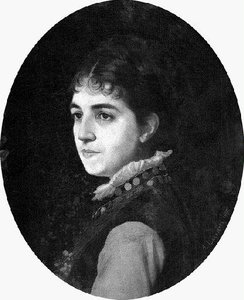
Quick Facts
- Artistic Movement Or Style: Portraiture
- Date Of Death: Living
- Full Name: lacazette amélie