

 Send
Send Share
Share
 Details

 Download
 Similars
 Diaporama
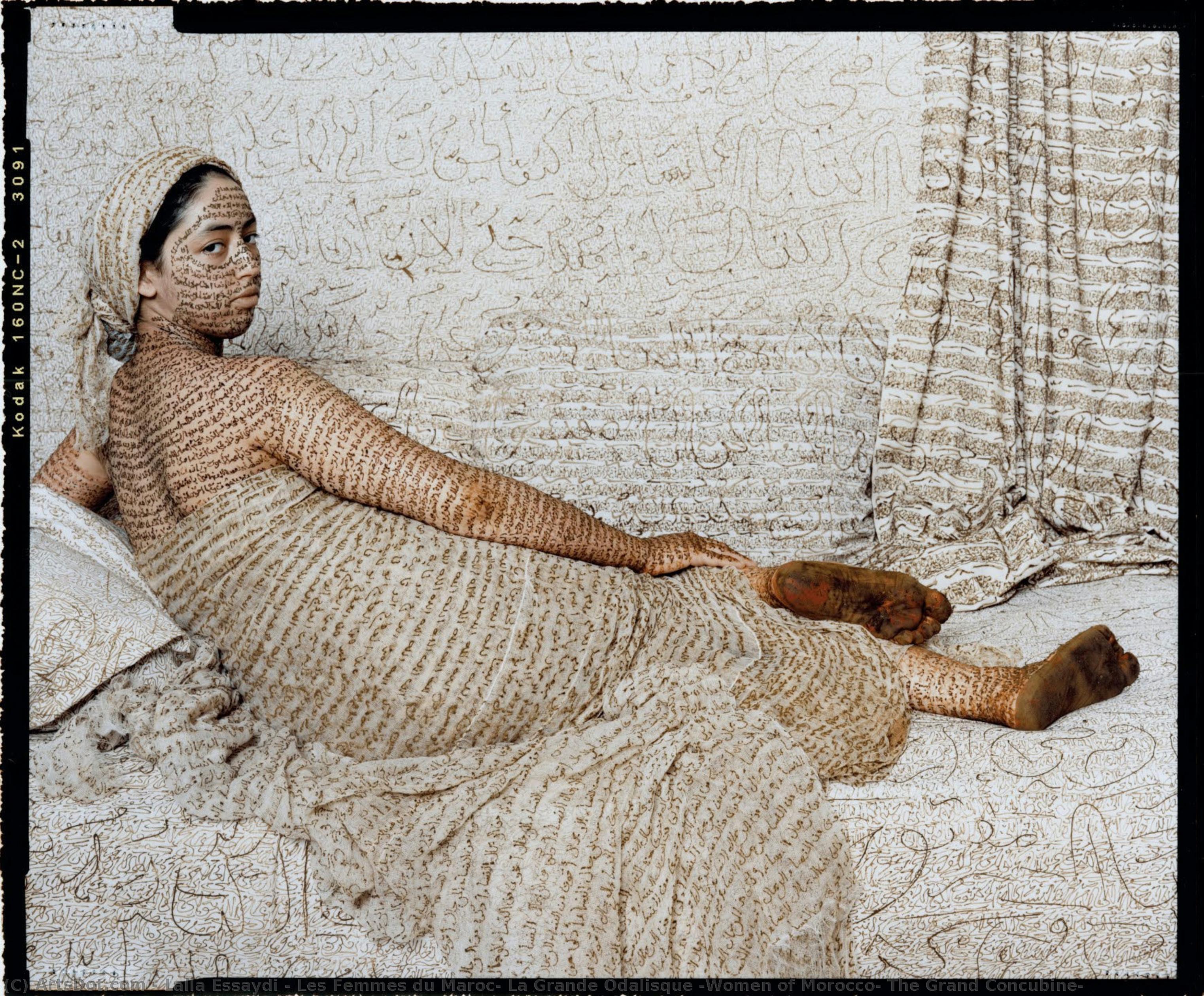
Les Femmes du Maroc: La Grande Odalisque (Women of Morocco: The Grand Concubine)
 Black and White Photography
- Photo
- Contemporary Art
 2008
2008- Contemporary
 Kemper Museum of Contemporary Art
 Read More
Purchase a high-resolution, enhanced digital image, far superior to the online preview.
Each file is meticulously prepared by our in-house specialists using advanced tools and expert manual retouching. We ensure every image has exceptional clarity, precise color accuracy, and fine detail.
The final file is delivered via email within 72 hours, optimized for immediate use in professional, editorial, and print environments. This is the same quality trusted by top-tier design studios, publishers, and galleries.
Digital Image
Download a high-resolution file for personal display, printing, and creative projects. ( Buy Print Buy Hand Made Painting)
Included in Every Digital Image Order
Expert Digital Delivery, Guaranteed
When you choose ArtsDot.com, you're not just getting an image - you're receiving a professionally enhanced digital artwork, crafted with precision and backed by a satisfaction guarantee. Here's everything that comes with your order, automatically:

Fast Email Delivery
Your high-resolution digital image file will be emailed to you within 72 hours of ordering - ready for immediate use.

AI-Enhanced Digital File
Your artwork is professionally optimized using advanced AI tools and manual editing, ensuring maximum detail, clarity, and color accuracy.

Free Lifetime Re-Delivery
Accidentally deleted or lost your file? No worries - we'll resend it to you anytime, free of charge.

No Import Fees - Ever
Enjoy your artwork instantly with zero customs, duties, or delivery fees - digital downloads are always tax-free.

Color Accuracy Guarantee
We ensure your digital image reflects the original colors as closely as possible using professional tools and color management.

100-Day Satisfaction Guarantee
If you're not satisfied with your digital image, we'll revise it or refund 100% within 100 days - no questions asked.

100% Money-Back Guarantee
Not satisfied? Get a full refund within 100 days of receiving your digital file - no questions asked.

Bulk Order Discounts
Buy 3 images, save 10% - Buy 5, save 15% - Buy 10+, save 20%. Great for creative projects, galleries, and agencies.
A Vision of Veiled Elegance
In the evocative photograph Les Femmes du Maroc: La Grande Odalisque (Women of Morocco: The Grand Concubine), artist Lalla Essaydi invites us into a world where the boundaries between reality and artifice dissolve. Captured in 2008, this striking monochrome composition presents a scene that is simultaneously intimate and profoundly staged. A woman reclines upon a bed, her form draped in fabric that appears fragmented, as if a garment has been meticulously deconstructed to suggest a state of near-nakedness while maintaining a sense of profound mystery. The use of black and white photography strips away the distractions of color, forcing the viewer to confront the raw textures of the cloth, the soft shadows of the room, and the enigmatic presence of the subject whose face remains partially obscured by a veil.
The composition is masterfully balanced, blending elements of domesticity with surrealist undertones. In the background, the quiet presence of a couch and a chair anchors the scene in a recognizable interior, yet the inclusion of two teddy bears—one resting near the woman and another adrift in the periphery—introduces a haunting, almost dreamlike quality. These objects serve as poignant symbols of innocence or perhaps lost childhood, creating a tension between the mature, sensual atmosphere of the "odalisque" theme and the whimsical, vulnerable remnants of play. This juxtaposition invites deep contemplation regarding the layers of identity and the roles imposed upon women within various cultural landscapes.
Symbolism and the Art of the Gaze
Lalla Essaydi’s work is renowned for its ability to navigate the complex intersections of gender, culture, and history. In this piece, the concept of the odalisque—a classical trope in Western art depicting women in orientalist fantasies—is reclaimed and recontextualized. By veiling the subject, Essaydi subverts the traditional "male gaze" that historically sought to expose and consume the female form. Instead, she creates a sense of impenetrable privacy. The fragmentation of the dress acts as a metaphor for the fractured identities experienced by women navigating the pressures of tradition and modernity.
For the discerning collector or interior designer, this artwork offers more than mere visual beauty; it provides a narrative depth that serves as a conversation piece within any sophisticated space. The monochromatic palette lends itself to a wide range of high-end decor styles, from minimalist contemporary galleries to classic, moody studies. As a reproduction, this piece captures the intricate textures and the heavy, atmospheric weight of the original photograph, making it an ideal selection for those looking to infuse their environment with intellectual rigor and emotional resonance.
A Masterpiece for Modern Interiors
Integrating a work of such profound psychological depth into a home or gallery requires an appreciation for the power of storytelling. La Grande Odalisque does not simply decorate a wall; it commands the room, drawing the eye through its complex interplay of light and shadow. The stillness of the image creates a meditative atmosphere, perfect for spaces designed for reflection and quiet luxury. Whether placed in a grand salon or a private library, this reproduction stands as a testament to the enduring power of photography to challenge our perceptions of beauty, privacy, and the unseen.
Related Artworks
Artist Biography
Paul Jackson Pollock: A Revolutionary in Paint
Jackson Pollock, born January 28, 1912, in Cody, Wyoming, was an American painter whose radical approach to art irrevocably altered the landscape of 20th-century painting. His life, marked by both artistic brilliance and personal struggles, culminated in a body of work that continues to captivate and challenge viewers today. He remains one of the most influential figures in Abstract Expressionism, a movement he helped define with his innovative “drip” technique and a profound disregard for traditional artistic conventions.
Pollock’s early life was shaped by constant relocation due to his father's work as a government surveyor. Growing up in Wyoming, Arizona, and California instilled in him a restless spirit and an appreciation for the vastness of the American West. He enrolled at Los Angeles’ Manual Arts High School but was expelled for disruptive behavior, a period that fostered a rebellious attitude towards established norms. His formal art training began at the Art Students League in New York City, where he studied under Thomas Hart Benton, absorbing elements of his mentor's dynamic brushwork and interest in American themes – though Pollock quickly moved beyond Benton’s more representational style.
A pivotal moment in Pollock’s artistic development occurred during a workshop led by Mexican muralist David Alfaro Siqueiros in 1936. This experience introduced him to the use of liquid paint, a revolutionary concept at the time. He began experimenting with pouring and dripping paint onto canvases laid flat on the floor – a technique that would become his signature style. Influenced by Surrealism, Jungian psychology, and the burgeoning Abstract Expressionist movement, Pollock developed a deeply personal and intuitive approach to painting, prioritizing process over product. His work during this period, often referred to as the “Springs Period,” reflects an intense exploration of color, texture, and gesture.
The Drip Technique and Action Painting
Pollock’s most distinctive contribution to art was undoubtedly his "drip" technique, a method he refined over several years. Rather than using brushes or traditional tools, he employed sticks, syringes, and even his own hands to fling, pour, and drip paint onto the canvas. This process, often conducted on the floor of his studio in Springs, Long Island – shared with his wife Lee Krasner – resulted in expansive compositions filled with layers of color and texture. He famously described his approach as “automatic,” allowing the subconscious to guide his movements and creating a sense of spontaneity and immediacy.
This technique is often categorized as "action painting," reflecting Pollock’s belief that the act of painting itself was as important as the finished product. His paintings are not static images but dynamic records of movement, energy, and process. The all-over composition – covering the entire canvas with paint – further emphasized this sense of immersion and participation. Critics initially reacted with skepticism to his unconventional methods, questioning the artistic merit of seemingly random splatters and drips. However, as the Abstract Expressionist movement gained momentum, Pollock’s work was increasingly recognized for its innovative approach and emotional intensity.
Major Works and Recognition
Pollock's career produced a remarkable body of work during his relatively short life. Some of his most celebrated paintings include *Number 1, 1948* (often referred to as “Lavender Mist”), *Blue Poles* (1952), *Mural* (1956), and *Convergence* (1952). *Blue Poles*, a vibrant canvas dominated by swirling blues and greens, became one of his most iconic works and was famously exhibited at the Tate Gallery in London.
Despite facing personal struggles with alcoholism and a volatile personality, Pollock achieved significant recognition during his lifetime. Alfred H. Barr Jr., director of the Museum of Modern Art (MoMA), played a crucial role in promoting his work, recognizing its groundbreaking qualities. MoMA’s retrospective exhibition of Pollock's paintings in 1956 brought him widespread acclaim and established him as a leading figure in American art. His legacy was further solidified by Lee Krasner, who tirelessly championed his work after his death.
Legacy and Influence
Jackson Pollock died tragically on August 11, 1956, in a car accident – an event that underscored the precariousness of his life and career. His untimely death, however, did not diminish the impact of his work. Pollock’s innovative techniques and radical approach to painting profoundly influenced generations of artists, shaping the course of Abstract Expressionism and paving the way for subsequent movements such as Pop Art and Minimalism.
Today, Jackson Pollock's paintings are exhibited in major museums around the world, and his legacy continues to inspire artists and art enthusiasts alike. His willingness to challenge conventional artistic norms, embrace spontaneity, and explore the depths of human emotion remains a testament to his genius and enduring influence on the history of art.
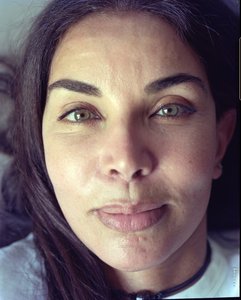
lalla essaydi
1956 - , Morocco
Quick Facts
- Artistic Movement Or Style: Abstract Expressionism”
- Artists Or Movements Influenced By This Artist:
- Lee Krasner
- Gutai Group
- Minimalism
- Date Of Birth: January 28, 1912
- Date Of Death: August 11, 1956
- Drip Painting: Action painting
- Full Name: Paul Jackson Pollock
- Nationality: American
- Number 17a",
"No. 5, 1948",
"Mural On Indian Red Ground",
"Autumn Rhythm (Number 30)",
"Convergence",
"Blue Poles"
],
"Artists Who Influenced This Artist:
- Thomas Hart Benton
- David Alfaro Siqueiros
- José Clemente Orozco
- Pablo Picasso
- Place Of Birth: Cody, Wyoming, USA
- All-Over Painting: Notable artworks