 Preview
 Send
Send Share
Share
 Details

 Download
 Similars
 X-Ray
X-Ray Diaporama
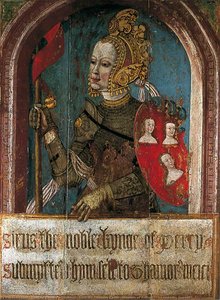
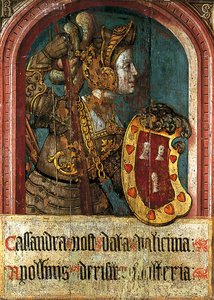
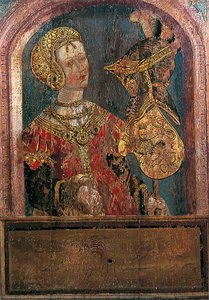
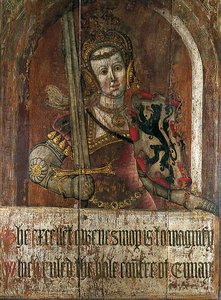
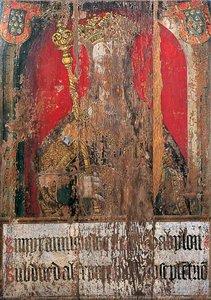
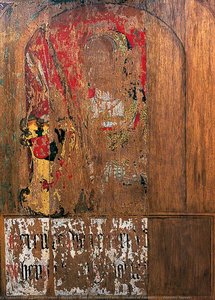
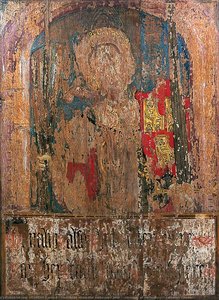
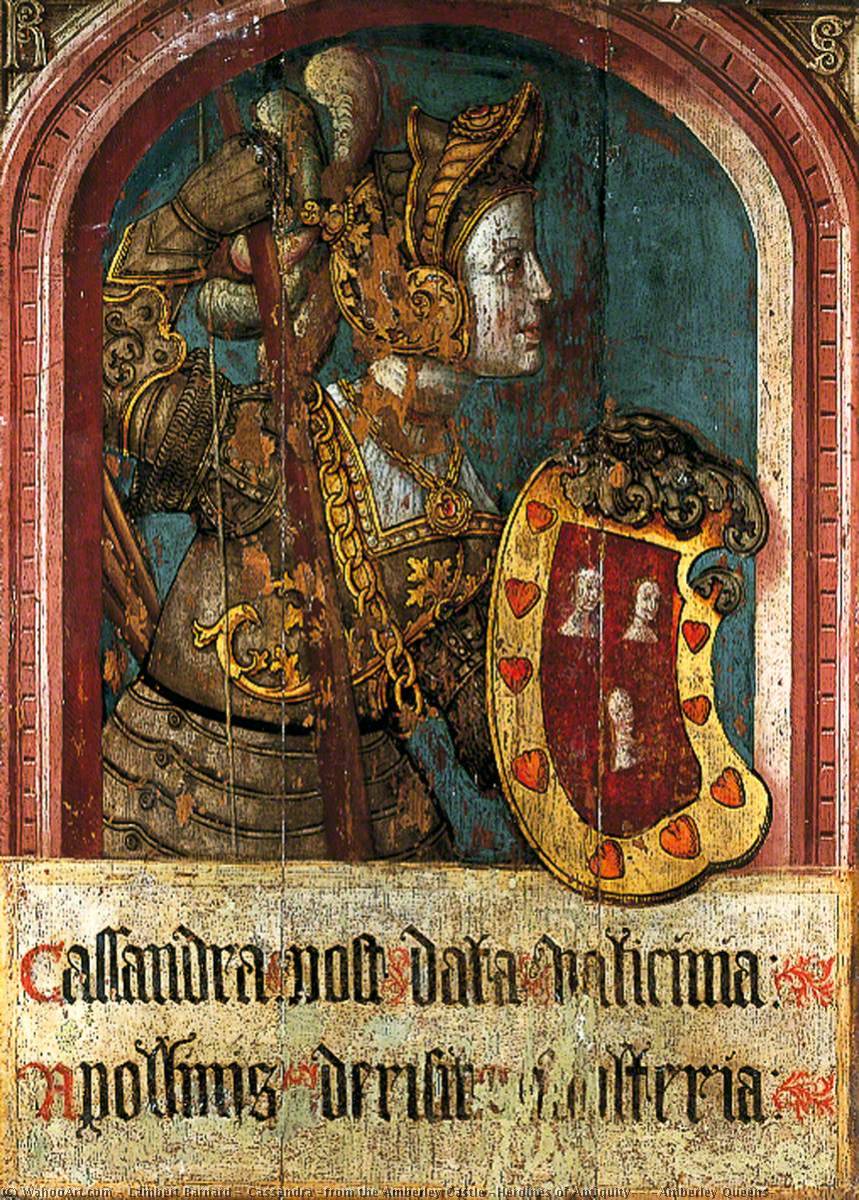
Cassandra (from the Amberley Castle 'Heroines of Antiquity') (Amberley Queens)
 1526
1526 115.0 x 86.0 cm
 Pallant House Gallery
 Read More
Hand Made Oil Reproduction
Hand-painted oil on canvas in your size and frame, made to order by our artists. ( Buy Print Buy Image)




































Pick from our preset sizes that match the artwork's original proportions.

You may enter your own dimensions to fit a specific frame or space. If your selected size does not match the original image's proportions, we will either crop the artwork or extend the painting with additional hand-painted elements. A digital mockup will be sent for your approval before production begins.
Please note that the on-screen preview does not reflect the actual cropping or extension. Only the mockup will accurately show the final composition.
While custom sizes are available, we recommend selecting a dimension from the predefined list to preserve the original proportions.
After order, ArtsDot.com team will email client for instructions and provide a mockup preview
Worldwide Delivery () in 3/4 weeks instead of standard 5 weeks. (17 August). No compromise on quality.

Free Worldwide Express Shipping

High-Quality Linen Canvas

Full Shipping Insurance

Customs Tax Refund Guarantee

True Color Matching Guarantee

60-Day Return Policy (Defects Only)

100% Money-Back Guarantee

Bulk Discount Offer
 Glass option is only available in size under 110 CM

Cassandra (from the Amberley Castle 'Heroines of Antiquity') (Amberley Queens)
Reproduction Medium
Reproduction Size
-


Total Price
$ 263
Related Artworks



Artist Biography
Lambert Barnard: The Silent Master of Chichester Cathedral
Lambert Barnard (c.1485 – 1567) remains a captivating enigma in the history of English Renaissance art, a figure whose brilliance was often obscured by his own meticulous craftsmanship and the sheer scale of his commissions. While other artists of his era commanded royal patronage and produced flamboyant portraits for the court, Barnard’s legacy is inextricably linked to the magnificent Chichester Cathedral, where he spent nearly four decades creating an astonishing array of frescoes, oil paintings, and intricate gilding – a testament to his skill and a window into the religious and political landscape of Tudor England. His work isn't characterized by dramatic individualism or bold innovation; instead, it’s a subtle, deeply layered narrative woven through the very fabric of the cathedral itself, demanding careful observation and scholarly interpretation.Early Life and Influences – A Shadowy Beginning
The precise details of Lambert Barnard’s birth are lost to history, shrouded in the same ambiguity that surrounds much of his early career. Records are scarce, and speculation abounds regarding his origins. It is believed he was born sometime around 1485, though pinpointing an exact date remains elusive. What *is* known is that his artistic development unfolded almost entirely within the confines of Chichester, a strategically important city in West Sussex. The influence of his work suggests connections to both continental European traditions – particularly the meticulous fresco techniques and rich color palettes favored by Italian Renaissance artists – and the established practices of English panel painting. Some scholars have tentatively suggested a possible apprenticeship with a Franco-Flemish workshop, pointing to stylistic similarities in certain details within his compositions. However, this remains speculative, and Barnard’s unique approach—characterized by an almost obsessive attention to detail and a remarkable ability to blend decorative elements with narrative storytelling—clearly distinguishes him from any single identifiable master.The Cathedral Commissions – A Chronicle of Power and Faith
Barnard's career truly blossomed under the patronage of Robert Sherborn, Bishop of Chichester (1508-1536), a man deeply invested in enhancing the grandeur and prestige of his cathedral. The bishop commissioned a series of ambitious projects from Barnard, most notably the spectacular vault paintings depicting scenes from the early history of Chichester – a chronicle of its founding by Caedwalla, King of Wessex, and subsequent development through the centuries. These “Charter History Paintings,” executed between 1513 and 1533, are arguably Barnard’s greatest achievement, offering a rare glimpse into the religious and political ideologies of the Tudor period. They aren't merely decorative; they serve as potent propaganda, reinforcing the authority of the Church and celebrating the lineage of Chichester’s bishops. Beyond these monumental frescoes, Barnard undertook numerous smaller commissions, including intricate heraldic panels for the bishop’s residences, domestic wall paintings, and even a potential altarpiece for Westminster Abbey – a testament to his versatility and reputation.Technique and Style – Precision and Subtlety
Barnard's artistic style is defined by remarkable technical skill combined with an understated elegance. He primarily worked in *fresco*, applying pigments directly onto wet plaster, creating durable and vibrant murals. However, he also mastered the art of oil painting on panel, producing highly detailed portraits and decorative panels. His work is characterized by a meticulous attention to detail—from the intricate folds of clothing to the delicate rendering of facial features—and an almost obsessive concern with accuracy. A defining feature of Barnard’s style is his use of heavy black outlines, which delineate forms and create a sense of depth and perspective. Furthermore, he employed lavish gilding, adding shimmering accents that enhanced the overall richness and splendor of his compositions. Despite the scale of some of his projects, Barnard's work rarely feels overwhelming; instead, it exudes a quiet dignity and a profound sense of order.Legacy and Significance – A Forgotten Voice
Lambert Barnard’s contribution to English Renaissance art has long been overshadowed by more flamboyant figures of the era. His meticulous style and lack of overt self-expression have led some scholars to dismiss him as a technically proficient but ultimately unremarkable artist. However, closer examination reveals a wealth of subtle symbolism and historical insight within his work. The “Charter History Paintings,” in particular, provide invaluable documentation of Tudor England—offering insights into religious beliefs, political alliances, and social customs. Furthermore, Barnard’s innovative use of fresco as a medium for narrative storytelling foreshadowed later developments in Renaissance art. Today, his murals at Chichester Cathedral remain a remarkable testament to his skill and vision – a silent voice from the past that continues to speak volumes about the history and culture of England. His work is now recognized as an important example of regional English painting during the Tudor period, offering a unique perspective on the artistic and cultural landscape of 16th-century Britain.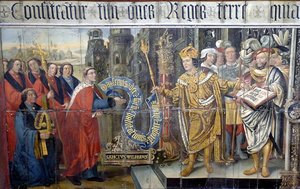
lambert barnard
1485 - 1567
Quick Facts
- Artistic Movement Or Style: Renaissance painter
- Artists Or Movements Influenced By This Artist: ['Tudor art']
- Artists Who Influenced This Artist: ['Franco/Flemish workshops']
- Date Of Birth: c.1485
- Date Of Death: 1567
- Full Name: Lambert Barnard
- Nationality: English
- Notable Artworks:
- Nine Ladies Worthy
- Amberley Panels
- Chichester Charter Paintings