

 Preview
 Send
Send Share
Share
 Details

 Download
 Similars
 X-Ray
X-Ray Diaporama
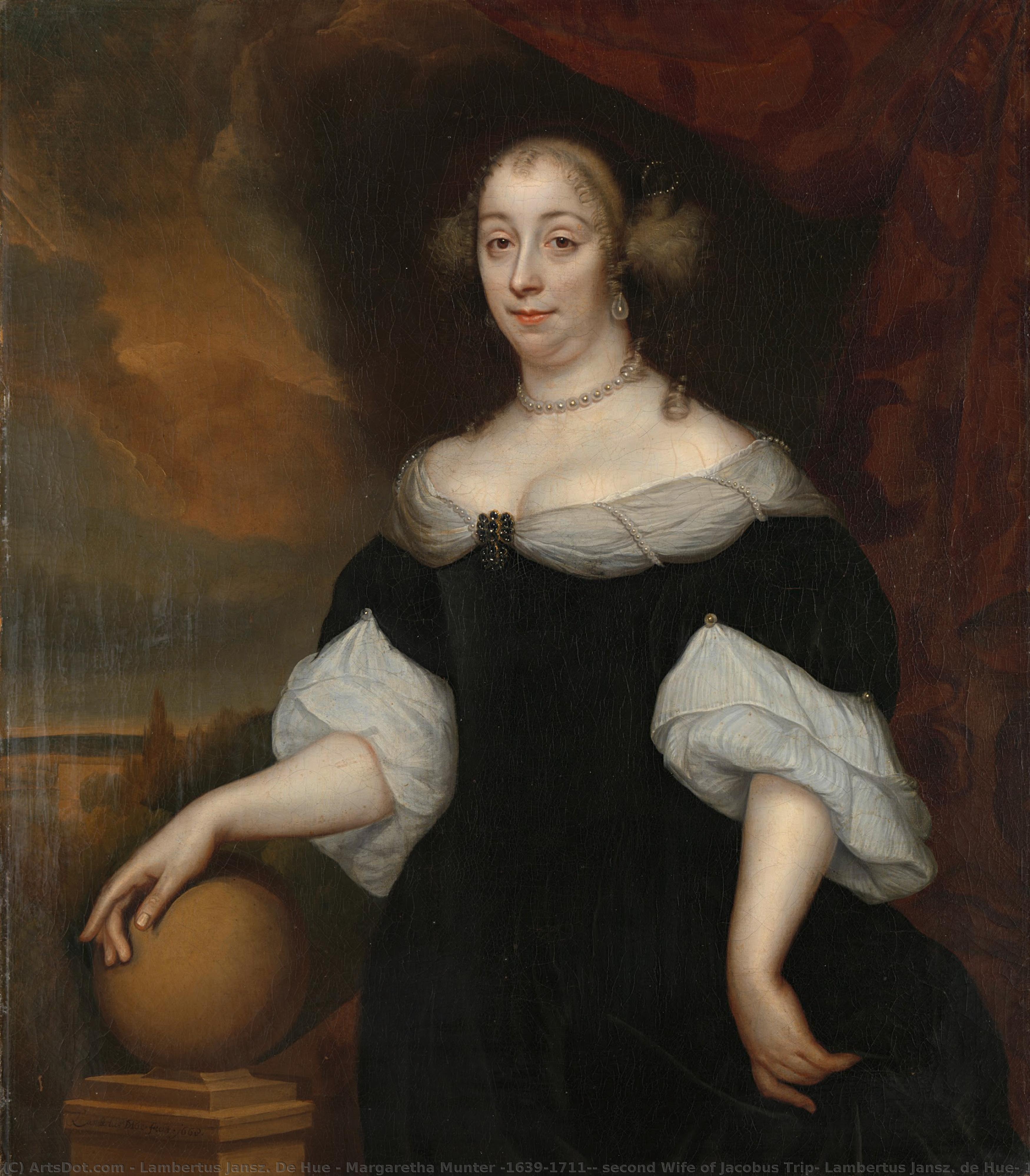
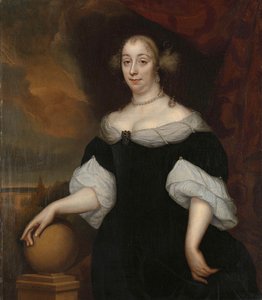
Margaretha Munter (1639-1711), second Wife of Jacobus Trip, Lambertus Jansz. de Hue, 1668
 1668
1668 111.0 x 97.0 cm
 Read More
Purchase a high-resolution, enhanced digital image, far superior to the online preview.
Each file is meticulously prepared by our in-house specialists using advanced tools and expert manual retouching. We ensure every image has exceptional clarity, precise color accuracy, and fine detail.
The final file is delivered via email within 72 hours, optimized for immediate use in professional, editorial, and print environments. This is the same quality trusted by top-tier design studios, publishers, and galleries.
Digital Image
Download a high-resolution file for personal display, printing, and creative projects. ( Buy Print Buy Hand Made Painting)
Included in Every Digital Image Order
Expert Digital Delivery, Guaranteed
When you choose ArtsDot.com, you're not just getting an image - you're receiving a professionally enhanced digital artwork, crafted with precision and backed by a satisfaction guarantee. Here's everything that comes with your order, automatically:

Fast Email Delivery
Your high-resolution digital image file will be emailed to you within 72 hours of ordering - ready for immediate use.

AI-Enhanced Digital File
Your artwork is professionally optimized using advanced AI tools and manual editing, ensuring maximum detail, clarity, and color accuracy.

Free Lifetime Re-Delivery
Accidentally deleted or lost your file? No worries - we'll resend it to you anytime, free of charge.

No Import Fees - Ever
Enjoy your artwork instantly with zero customs, duties, or delivery fees - digital downloads are always tax-free.

Color Accuracy Guarantee
We ensure your digital image reflects the original colors as closely as possible using professional tools and color management.

60-Day Satisfaction Guarantee
If you're not satisfied with your digital image, we'll revise it or refund 100% within 60 days - no questions asked.

100% Money-Back Guarantee
Not satisfied? Get a full refund within 60 days of receiving your digital file - no questions asked.

Bulk Order Discounts
Buy 3 images, save 10% - Buy 5, save 15% - Buy 10+, save 20%. Great for creative projects, galleries, and agencies.
Related Artworks





Artist Biography
Lambertus Jansz. de Hue: A Master of Dutch Portraiture
Born in Finspång, Sweden, in 1619 – a date often debated and shrouded in some uncertainty – Lambertus Jansz. de Hue’s life was one of constant movement and artistic evolution. He initially trained under his father, Jan Gerritszoon de Hue, a painter known for his landscapes and genre scenes. However, it was the vibrant artistic atmosphere of Amsterdam that truly shaped de Hue's career, drawing him to the Dutch Golden Age’s epicenter of art production. He arrived in the city around 1640, quickly establishing himself as a portraitist, though his style evolved significantly over time, reflecting the changing tastes and techniques of the era.
Early works, reminiscent of the Flemish masters, display a meticulous attention to detail and a fondness for rich colors. Portraits from this period – such as those of members of the Trip family (including Margaretha Munter, his second wife) – are characterized by their formal compositions, carefully rendered fabrics, and an almost photographic realism. De Hue skillfully captured the likenesses of his subjects, imbuing them with a sense of dignity and status. However, this early style gradually shifted as he absorbed influences from contemporary Dutch painters like Frans Hals and Jan Steen. The influence of Hals’s looser brushwork and dynamic poses is particularly evident in portraits painted later in his career.
A Shifting Style: From Flemish Roots to Dutch Dynamism
De Hue's artistic journey is marked by a fascinating transformation. Initially rooted in the traditions of the Netherlands, he moved toward a more expressive and engaging style. His mid-career works demonstrate a growing interest in capturing not just physical likeness but also personality and emotion. This shift is powerfully illustrated in portraits like “The Painter’s Family” (1657), where the subjects are depicted in a lively domestic setting, engaged in conversation and activity. The composition is less rigidly formal than his earlier work, and the brushstrokes are looser, conveying a sense of immediacy and spontaneity.
This evolution wasn't simply stylistic; it reflected broader changes within Dutch society. The rise of the merchant class and their increasing wealth fueled demand for portraits that showcased their status and achievements. De Hue skillfully catered to this market, adapting his style to meet the evolving needs of his patrons. He embraced new techniques – such as the use of light and shadow to create dramatic effects – and experimented with different compositional arrangements. His later portraits often feature a theatrical quality, employing diagonal lines and asymmetrical groupings to draw the viewer’s eye and heighten the sense of drama.
Influences and Artistic Connections
De Hue's artistic development was undoubtedly shaped by his exposure to the diverse artistic currents circulating in Amsterdam. He maintained close relationships with other prominent painters of his time, including Jacob van Ruisdael (a landscape painter) and Jan Steen (known for his humorous and often satirical scenes). The influence of Steen is particularly noticeable in de Hue’s later portraits, which occasionally incorporate elements of humor and caricature. Furthermore, the work of Frans Hals, with its emphasis on capturing movement and vitality, clearly resonated with de Hue's evolving style.
Interestingly, De Hue also spent a period working in Prague, where he was commissioned to paint portraits for the Bohemian nobility. This experience exposed him to different artistic traditions and further broadened his stylistic repertoire. The influence of Czech portraiture – characterized by its emphasis on detail and opulent attire – can be seen in some of his later works.
Legacy and Historical Significance
Lambertus Jansz. de Hue died in Amsterdam in 1681, leaving behind a substantial body of work that reflects the dynamism and diversity of Dutch Golden Age painting. While he may not have achieved the same level of fame as some of his contemporaries – such as Rembrandt or Hals – his portraits are highly valued for their technical skill, psychological insight, and historical significance. His paintings offer a valuable glimpse into the lives and aspirations of 17th-century Dutch society, capturing the elegance, wealth, and social complexities of the era.
De Hue’s legacy extends beyond his individual works; he represents a pivotal figure in the transition from Flemish to Dutch artistic traditions. His willingness to experiment with new techniques and styles paved the way for subsequent generations of portraitists, solidifying his place as a significant contributor to the rich tapestry of Dutch art history. His paintings continue to be exhibited and studied today, reminding us of the enduring power of portraiture to capture both likeness and essence.
lambertus jansz. de hue
1619 - 1681 , Sweden
Quick Facts
- Artistic Movement Or Style: Figurative art
- Artists Or Movements Influenced By This Artist: ['Golden Age Painting']
- Artists Who Influenced This Artist:
- Jacobus Trip
- margaretha munter
- Date Of Birth: 1619/1620
- Date Of Death: 1681-02-14
- Full Name: Lambertus Jansz de Hue
- Nationality: Dutch
- Notable Artworks:
- Margaretha Munter (1639-1711)
- Jacobus Trip
- Place Of Birth: Finspång, Sweden

