 Preview
 Send
Send Share
Share
 Details

 Download
 Similars
 X-Ray
X-Ray Diaporama
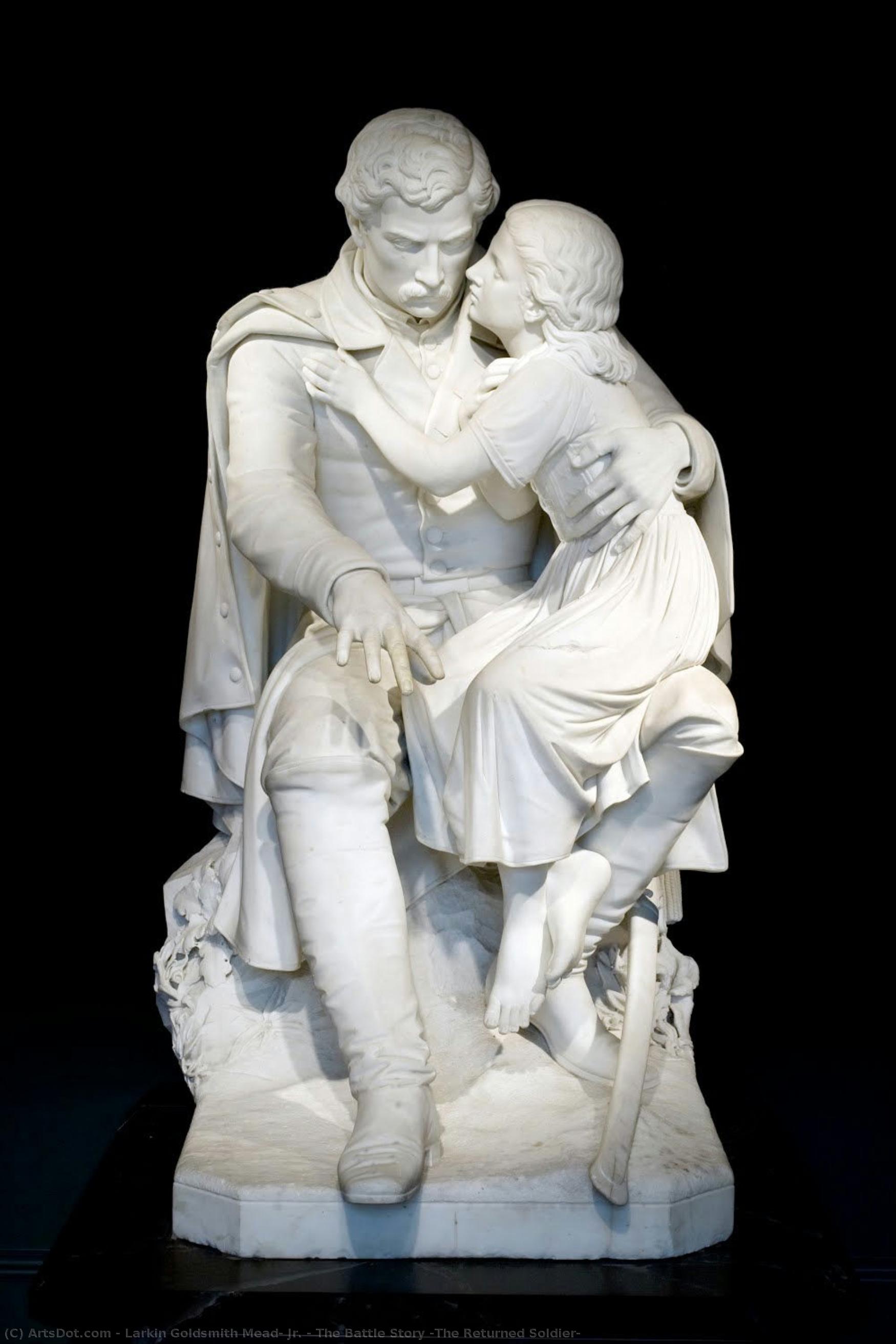
The Battle Story (The Returned Soldier)
 211.0 x 81.0 cm
 Chrysler Museum of Art
 Read More
Hand Made Oil Reproduction
Hand-painted oil on canvas in your size and frame, made to order by our artists. ( Buy Print Buy Image)




































Pick from our preset sizes that match the artwork's original proportions.

You may enter your own dimensions to fit a specific frame or space. If your selected size does not match the original image's proportions, we will either crop the artwork or extend the painting with additional hand-painted elements. A digital mockup will be sent for your approval before production begins.
Please note that the on-screen preview does not reflect the actual cropping or extension. Only the mockup will accurately show the final composition.
While custom sizes are available, we recommend selecting a dimension from the predefined list to preserve the original proportions.
After order, ArtsDot.com team will email client for instructions and provide a mockup preview
Worldwide Delivery () in 3/4 weeks instead of standard 5 weeks. (25 August). No compromise on quality.

Free Worldwide Express Shipping

High-Quality Linen Canvas

Full Shipping Insurance

Customs Tax Refund Guarantee

True Color Matching Guarantee

60-Day Return Policy (Defects Only)

100% Money-Back Guarantee

Bulk Discount Offer
 Glass option is only available in size under 110 CM

The Battle Story (The Returned Soldier)
Reproduction Medium
Reproduction Size
-


Total Price
$ 288
Related Artworks






Artist Biography
Larkin Goldsmith Mead Jr.: Sculptor of Idealized Form and Monumental Vision
Larkin Goldsmith Mead, Jr. (January 3, 1835 – October 15, 1910) was an American sculptor who flourished during the latter half of the nineteenth century, establishing himself as a prominent figure in neoclassical art and leaving behind a legacy of enduring monuments that continue to inspire awe. Born in Chesterfield, New Hampshire—the son of a lawyer—Mead’s artistic journey began with formative instruction under Henry Kirke Brown, honing his skills in meticulous detail and mastering the principles of classical sculpture. This early training would prove invaluable as he embarked on a prolific career marked by ambitious commissions and an unwavering dedication to capturing idealized beauty within monumental forms.- Early Life & Education: Mead’s childhood was steeped in intellectual curiosity, fostered by his father's legal profession and providing him with access to stimulating discussions about art and culture. His formal sculptural training under Brown instilled in him a profound understanding of anatomical accuracy and the expressive potential of marble—skills that would define his artistic style for decades to come.
- Illustrative Beginnings & Civil War Service: Before dedicating himself fully to sculpture, Mead pursued illustration work for Harper’s Weekly during the tumultuous years of the American Civil War. This experience exposed him to the realities of conflict and broadened his artistic perspective, informing his later depictions of heroic figures and conveying narratives of courage and resilience. Notably, he served six months with the Army of the Potomac, demonstrating a commitment to civic duty alongside his artistic pursuits.
Notable Sculptures & Artistic Style
Mead’s artistic reputation rests upon a remarkable collection of sculptures that exemplify the neoclassical aesthetic—characterized by serene composure, balanced proportions, and an emphasis on idealized human form. His most celebrated works include:- Recording Angel (1855): Crafted from marble, this poignant depiction of Gabriel embodies spiritual grace and solemn dignity. It resides today in Florence, Italy, a testament to Mead’s artistic prowess and his enduring fascination with religious iconography.
- Agriculture (Cereres) (1862): Commissioned for Vermont Statehouse, this gilded wood sculpture celebrates the bounty of the earth and reflects Mead's belief in the importance of virtue and moral fortitude—themes central to neoclassical ideals.
- Lincoln Tomb (Springfield, Illinois) (1865): Mead’s monumental Lincoln Tomb stands as a poignant memorial to Abraham Lincoln, capturing his solemn countenance and conveying an aura of profound contemplation. It remains one of the most recognizable sculptures in America.
Legacy & Historical Significance
Larkin Goldsmith Mead Jr.’s sculptures continue to resonate with audiences today, serving as enduring symbols of American idealism and artistic excellence. His contributions to the neoclassical tradition solidified his place among the most influential sculptors of his era, shaping the visual landscape of nineteenth-century America. Furthermore, his work—particularly the Lincoln Tomb—remains a powerful reminder of the nation’s commitment to honoring its heroes and upholding moral values. Mead's influence extends beyond individual masterpieces; he helped establish Vermont Statehouse as an important landmark in American Art History.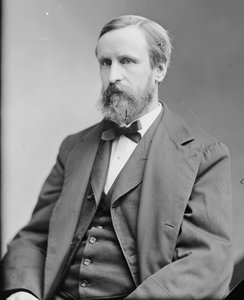
larkin goldsmith mead, jr.
1835 - 1910 , United States of America
Quick Facts
- Artistic Movement Or Style: Neoclassical Sculpture
- Artists Who Influenced This Artist: ['Henry Kirke Brown']
- Date Of Birth: January 3, 1835
- Date Of Death: October 15, 1910
- Full Name: Larkin Goldsmith Mead Jr.
- Nationality: American
- Notable Artworks:
- Recording Angel
- Agriculture
- Lincoln Tomb
- Place Of Birth: Chesterfield, United States