

 Preview
 Send
Send Share
Share
 Details

 Download
 Similars
 X-Ray
X-Ray Diaporama
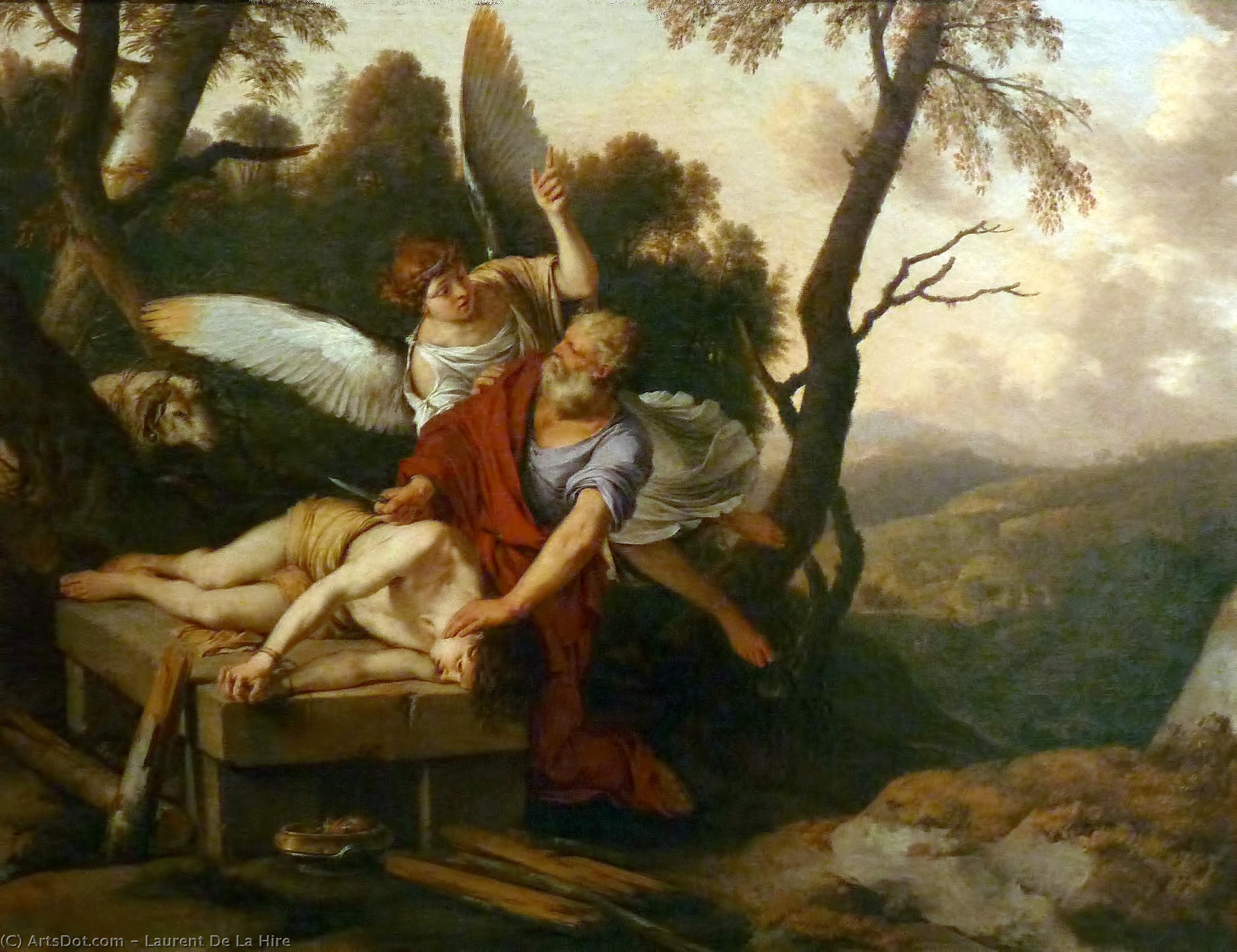
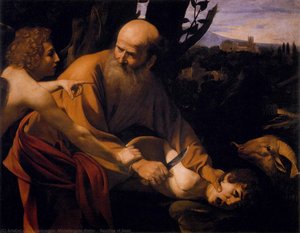
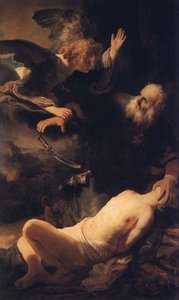
Abraham Sacrificing Isaac


 Read More
Purchase a high-resolution, enhanced digital image, far superior to the online preview.
Each file is meticulously prepared by our in-house specialists using advanced tools and expert manual retouching. We ensure every image has exceptional clarity, precise color accuracy, and fine detail.
The final file is delivered via email within 72 hours, optimized for immediate use in professional, editorial, and print environments. This is the same quality trusted by top-tier design studios, publishers, and galleries.
Digital Image
Download a high-resolution file for personal display, printing, and creative projects. ( Buy Print Buy Hand Made Painting)
Included in Every Digital Image Order
Expert Digital Delivery, Guaranteed
When you choose ArtsDot.com, you're not just getting an image - you're receiving a professionally enhanced digital artwork, crafted with precision and backed by a satisfaction guarantee. Here's everything that comes with your order, automatically:

Fast Email Delivery
Your high-resolution digital image file will be emailed to you within 72 hours of ordering - ready for immediate use.

AI-Enhanced Digital File
Your artwork is professionally optimized using advanced AI tools and manual editing, ensuring maximum detail, clarity, and color accuracy.

Free Lifetime Re-Delivery
Accidentally deleted or lost your file? No worries - we'll resend it to you anytime, free of charge.

No Import Fees - Ever
Enjoy your artwork instantly with zero customs, duties, or delivery fees - digital downloads are always tax-free.

Color Accuracy Guarantee
We ensure your digital image reflects the original colors as closely as possible using professional tools and color management.

60-Day Satisfaction Guarantee
If you're not satisfied with your digital image, we'll revise it or refund 100% within 60 days - no questions asked.

100% Money-Back Guarantee
Not satisfied? Get a full refund within 60 days of receiving your digital file - no questions asked.

Bulk Order Discounts
Buy 3 images, save 10% - Buy 5, save 15% - Buy 10+, save 20%. Great for creative projects, galleries, and agencies.
Collectible Description
A Divine Encounter in Oil: The Drama of Abraham and Isaac
In the profound stillness of mid-17th century French classicism, Laurent de la Hyre captures one of the most harrowing and spiritually charged moments in biblical history. Abraham Sacrificing Isaac is not merely a depiction of a ritual; it is a masterclass in tension, where the weight of divine command meets the fragility of human devotion. The scene unfolds with an intricate composition that draws the eye through a landscape of rugged rocks and ancient trees, leading us toward the central altar where the fate of a son hangs in the balance. As we gaze upon this 1650 masterpiece, we are transported to a time when art served as a window into the soul, reflecting the deepest struggles between earthly love and celestial obedience.
The technique employed by de la Hyre reveals a sophisticated command of light and shadow, reminiscent of the dramatic chiaroscuro that defined the era. The artist skillfully orchestrates the placement of figures to create a sense of depth and movement; while Isaac lies upon the altar, the presence of angels appearing to intervene provides a celestial counterpoint to the earthly gravity of Abraham’s task. The surrounding figures—witnesses to this sacred trial—are woven into the landscape with such precision that they become part of the very atmosphere, their silent gazes adding layers of communal tension to the private agony of the patriarch. For the discerning collector, the brushwork offers a tactile richness that brings the textures of stone, fabric, and skin to life.
Symbolism and the Emotional Resonance of Faith
Beyond the physical rendering of the scene, the painting serves as a profound symbolic tapestry. The altar represents the ultimate site of sacrifice, a threshold between the mortal and the divine. Every element, from the starkness of the landscape to the ethereal presence of the angels, is designed to evoke a sense of awe and trepidation. This work explores the duality of faith: the terrifying necessity of surrender and the miraculous grace of intervention. The interplay of light hitting the central figures acts as a metaphor for divine revelation piercing through the darkness of human uncertainty.
For interior designers and lovers of fine art, this reproduction offers more than just aesthetic beauty; it provides a focal point of immense intellectual and emotional depth. Placing such a piece within a curated space invites conversation and contemplation, acting as an anchor of historical significance. Whether gracing a grand library or a sophisticated contemporary living space, the painting’s ability to evoke a sense of timelessness makes it an incomparable addition to any collection. It is a testament to the enduring power of classical storytelling, rendered with a grace that continues to inspire wonder centuries after its creation.
Related Artworks
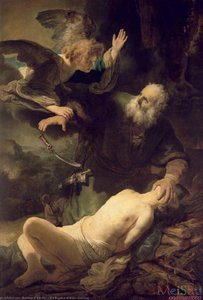
![Abraham And Isaac [1634] — Rembrandt Van Rijn, Dutch Golden Age](/media/artworks/images/thumbnails/e9/3f/e93f552a43a14091afad57fa3f6e5e5f.jpg)
Artist Biography
Rembrandt: A Master of Light and Shadow
Rembrandt Harmenszoon van Rijn, born on July 15, 1606, in Leiden, Netherlands, remains one of the most profoundly influential figures in Western art. His legacy extends far beyond his stunningly realistic portraits and dramatic biblical scenes; he fundamentally reshaped how artists approached light, emotion, and the very essence of human experience. Rembrandt’s life was a complex tapestry woven with threads of artistic brilliance, financial struggles, personal loss, and an unwavering dedication to his craft. He died on October 4, 1669, in Amsterdam, leaving behind a vast and deeply moving body of work that continues to captivate audiences centuries later. ### Early Life and Artistic Foundations Rembrandt’s early life was marked by the practical realities of being the son of a miller. While his father provided for his education with a basic Latin schooling, Rembrandt's true passion lay in art. He initially apprenticed under Jacob van Swanenburgh, a local painter, gaining foundational skills in oil painting and drawing. However, it was his brief time studying at the University of Leiden that proved pivotal – not through academic pursuits, but as a catalyst for his artistic independence. Disillusioned with the rigid structure of university life, he quickly abandoned his studies to pursue his own path, seeking experience by working under Pieter Lastman in Amsterdam. This early exposure to a more established and technically demanding style laid the groundwork for Rembrandt’s later development, though he would ultimately forge his own distinctive voice. Crucially, unlike many artists of his time who traveled to Italy to study classical art, Rembrandt believed that the richness and variety of Dutch life offered ample inspiration. ### The Rise of a Master: Amsterdam and Early Success Around 1631, Rembrandt moved to Amsterdam, a vibrant hub of commerce and artistic innovation. This shift proved transformative for his career. Amsterdam’s burgeoning merchant class provided a wealthy clientele eager to commission portraits and historical scenes – a far more lucrative environment than the small, provincial market he had known in Leiden. He quickly established himself as a sought-after artist, securing commissions from prominent families like the van Ruytenburch and the de Ploeg. His early works, often characterized by their meticulous detail and realistic depictions of everyday life, began to attract considerable attention. However, Rembrandt’s ambition extended beyond mere portraiture; he was drawn to dramatic narratives and complex psychological portraits, foreshadowing his later masterpieces. ### The Development of Style: Light, Emotion, and the Self-Portrait Rembrandt's artistic style underwent a remarkable evolution throughout his career. Initially influenced by Lastman’s technical precision, he gradually developed a unique approach characterized by an intense use of light and shadow – *chiaroscuro* – to create dramatic effects and evoke powerful emotions. He wasn’t simply illuminating a scene; he was exploring the inner lives of his subjects, capturing their moods and vulnerabilities with unparalleled sensitivity. This shift is particularly evident in works like "The Night Watch" (1642), where the interplay of light and darkness creates a dynamic and almost theatrical atmosphere. Furthermore, Rembrandt's prolific self-portraits offer an extraordinary window into his evolving personality and artistic process. These paintings reveal not only his physical appearance but also his thoughts, emotions, and even his struggles with aging and mortality. ### Late Works and Lasting Legacy As he aged, Rembrandt’s style became increasingly expressive and introspective. His later works are often characterized by a looser brushwork, a greater emphasis on emotional intensity, and a willingness to experiment with unconventional compositions. Despite facing financial difficulties in his final years – exacerbated by his compulsive buying habits – Rembrandt continued to produce some of his most profound and moving paintings, including "The Return of the Prodigal Son" (1669) and “Simon’s Mother.” These works are imbued with a deep sense of compassion and spiritual insight. Rembrandt's influence on subsequent generations of artists is immeasurable. He revolutionized painting by demonstrating the power of light to shape perception, by exploring the complexities of human emotion, and by forging a deeply personal and expressive style that remains unmatched in its intensity and beauty. His work continues to be studied, admired, and celebrated worldwide as a testament to the enduring power of art to illuminate the human condition.Key Works
- The Night Watch (1642) – A monumental group portrait showcasing Rembrandt’s mastery of composition and dramatic lighting.
- The Return of the Prodigal Son (1669) – A deeply moving depiction of forgiveness and redemption, demonstrating Rembrandt's profound understanding of human emotion.
- Self-Portraits (Numerous examples throughout his career) - Offer unparalleled insight into the artist’s life and artistic development.
- The Storm on the Sea of Galilee (1633) – A dramatic depiction of a biblical story, showcasing Rembrandt's innovative use of light and shadow to create a sense of movement and chaos.
- Belshazzar’s Feast (1635) - A lavishly detailed scene from the Book of Daniel, demonstrating Rembrandt’s skill in rendering opulent settings and capturing dramatic moments.
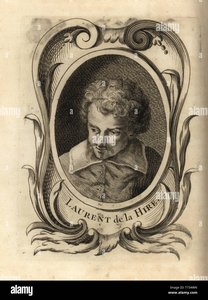
laurent de la hyre
1606 - 1656 , France
Quick Facts
- Artistic Movement Or Style: Baroque
- Artists Or Movements Influenced By This Artist:
- Rubens
- Dutch Baroque
- Artists Who Influenced This Artist: ['Caravaggio']
- Date Of Birth: July 15, 1606
- Date Of Death: October 4, 1669
- Full Name: Rembrandt Harmenszoon van Rijn
- Nationality: Dutch
- Notable Artworks:
- The Night Watch
- Belshazzar's Feast
- Self-Portrait with Saskia
- Place Of Birth: Leiden, Netherlands

