 Preview
 Send
Send Share
Share
 Details

 Download
 Similars
 X-Ray
X-Ray Diaporama
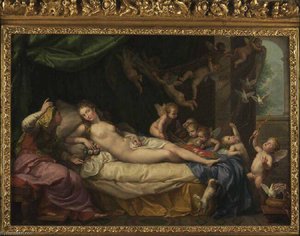
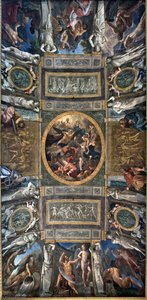
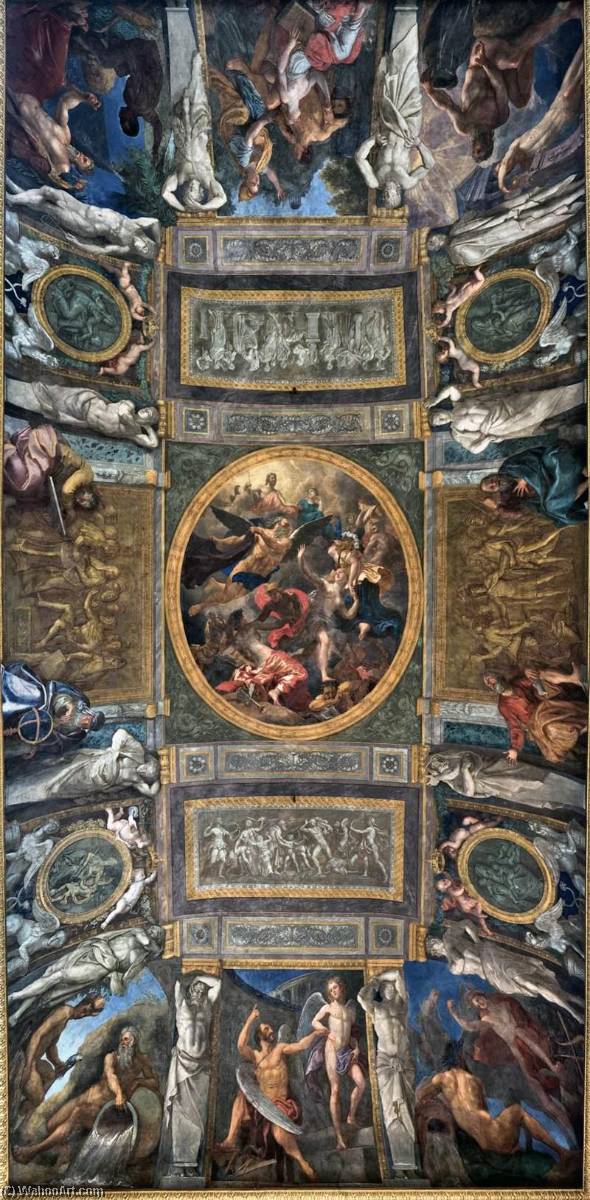
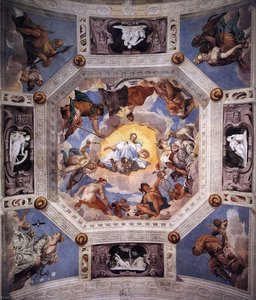
Ceiling painting Truth Pursued by Time

 Read More
Giclée / Art Print
Museum-quality giclée or canvas print with fast production and flexible finish options. ( Buy Hand Made Painting Buy Image)




































Pick from our preset sizes that match the artwork's original proportions.

You may enter your own dimensions to fit a specific frame or space. If your selected size does not match the original image's proportions, we will either crop the artwork or extend the image with a mirrored or solid-fill edge. A digital mockup will be sent for your approval before production begins.
Please note that the on-screen preview does not reflect the actual cropping or extension. Only the mockup will accurately show the final composition.
While custom sizes are available, we recommend selecting a dimension from the predefined list to preserve the original proportions.
Worldwide Delivery () in 2 weeks instead of standard 4/5 weeks. (26 August)

Free Worldwide Express Shipping

High-Quality Linen Canvas

Full Shipping Insurance

Customs Tax Refund Guarantee

True Color Matching Guarantee

60-Day Return Policy (Defects Only)

100% Money-Back Guarantee

Bulk Discount Offer
 Glass option is only available in size under 110 CM

Ceiling painting Truth Pursued by Time
Giclée / Art Print
Reproduction Size
-


Total Price
$ 63
Related Artworks





Artist Biography
The Neoclassical Vision of Laurent Pécheux
In the grand tapestry of late 18th-century European art, few figures embody the transition from the ornate flourishes of the Rococo to the disciplined clarity of Neoclassicism as gracefully as Laurent Pécheulum. Born in Lyon in 1729, Pécheux’s early life was shaped by a rigorous intellectual foundation at the Jesuit College, yet his destiny lay far beyond the confines of French academicism. His journey took him to the vibrant studios of Paris, where he immersed himself in the works of luminaries such as Charles-Joseph Natoire and Jean-Baptiste Pillement. These early mentors instilled in him a mastery of light and form, but it was the call of Italy that would ultimately define his artistic soul.
The year 1751 marked a profound shift in his trajectory when the esteemed painters Gabriel-François Doyen and Augustin Pajou—victors of the prestigious Prix de Rome—convinced him to seek his fortune in the Eternal City. Arriving in Rome in 1753, Péchext found himself at the very heart of the Western artistic consciousness. Supported by his father’s patronage, he did not merely observe the classical revival; he became an active participant in it. By frequenting the studio of Anton Raphael Mengs and befriending the celebrated portraitist Pompeo Batoni, Pécheux absorbed the essential tenets of the Neoclassical movement: a reverence for anatomical precision, a commitment to historical truth, and a profound respect for the sculptural clarity of antiquity.
A Legacy of Mastery and Instruction
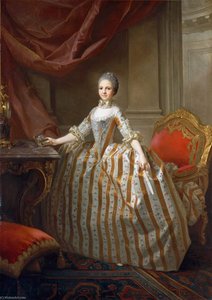
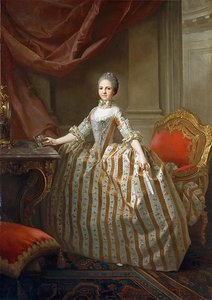
Pécheux’s career was characterized by an extraordinary ability to balance the dramatic tension of the Baroque with the emerging naturalism of the Romantic era. His studio, established near the Trinità dei Monti, became a sanctuary for aspiring talents, serving as a vital link in the transmission of Roman tradition to a new generation. This period of his life was marked by significant royal recognition; notably, a 1777 commission from Princess Maria Luisa of Bourbon-Parma elevated his status, bringing him into the intimate circles of European nobility and eventually propelling his career toward Northern Italy.
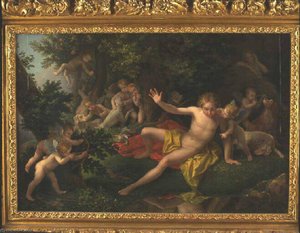
As he transitioned to Turin, Pécheux assumed the prestigious role of professor at the Accademia Albertina. In this academic setting, his work reflected a sophisticated synthesis of styles. While his compositions often drew from classical mythology—as seen in the evocative “Narcisse”—his technique remained grounded in an expressive realism that breathed life into every figure. His oeuvre is a testament to several key artistic achievements:
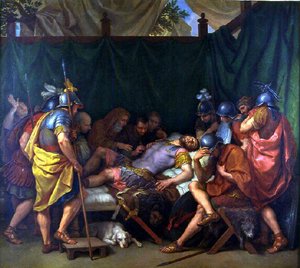
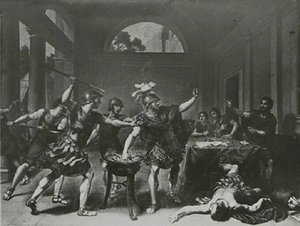
- Historical Grandeur: Through works like “La mort d’Epaminondas,” he captured the tragic nobility of ancient history with unparalleled emotional depth.
- Technical Versatility: He successfully navigated the complexities of both large-scale ceiling paintings, such as “Truth Pursued by Time,” and intimate, detailed portraiture.
- Educational Impact: His tenure at the Accademia Albertina allowed him to shape the aesthetic values of Italian painting during a period of intense cultural transformation.
Ultimately, Laurent Pécheux remains a bridge between eras. He was an artist who could look backward to the classical ideals of Rome and forward toward the emotional honesty of naturalism. His life, spanning from the Enlightenment to the dawn of the 19th century, mirrors the very evolution of the art he so masterfully practiced, leaving behind a legacy of beauty, discipline, and enduring historical significance.
laurent pecheux
1729 - 1821
Quick Facts
- Artistic Movement Or Style: Neoclassical
- Artists Or Movements Influenced By This Artist: ['Jacques Laurent Agasse']
- Artists Who Influenced This Artist:
- Charles Joseph Natoire
- Jean Baptiste Pillement
- Date Of Death: 1821
- Full Name: Laurent Pécheux
- Nationality: French
- Notable Artworks:
- Narcisse
- La mort d'Epaminondas
- Place Of Birth: Lyon, France