

 Preview
 Send
Send Share
Share
 Details

 Download
 Similars
 X-Ray
X-Ray Diaporama
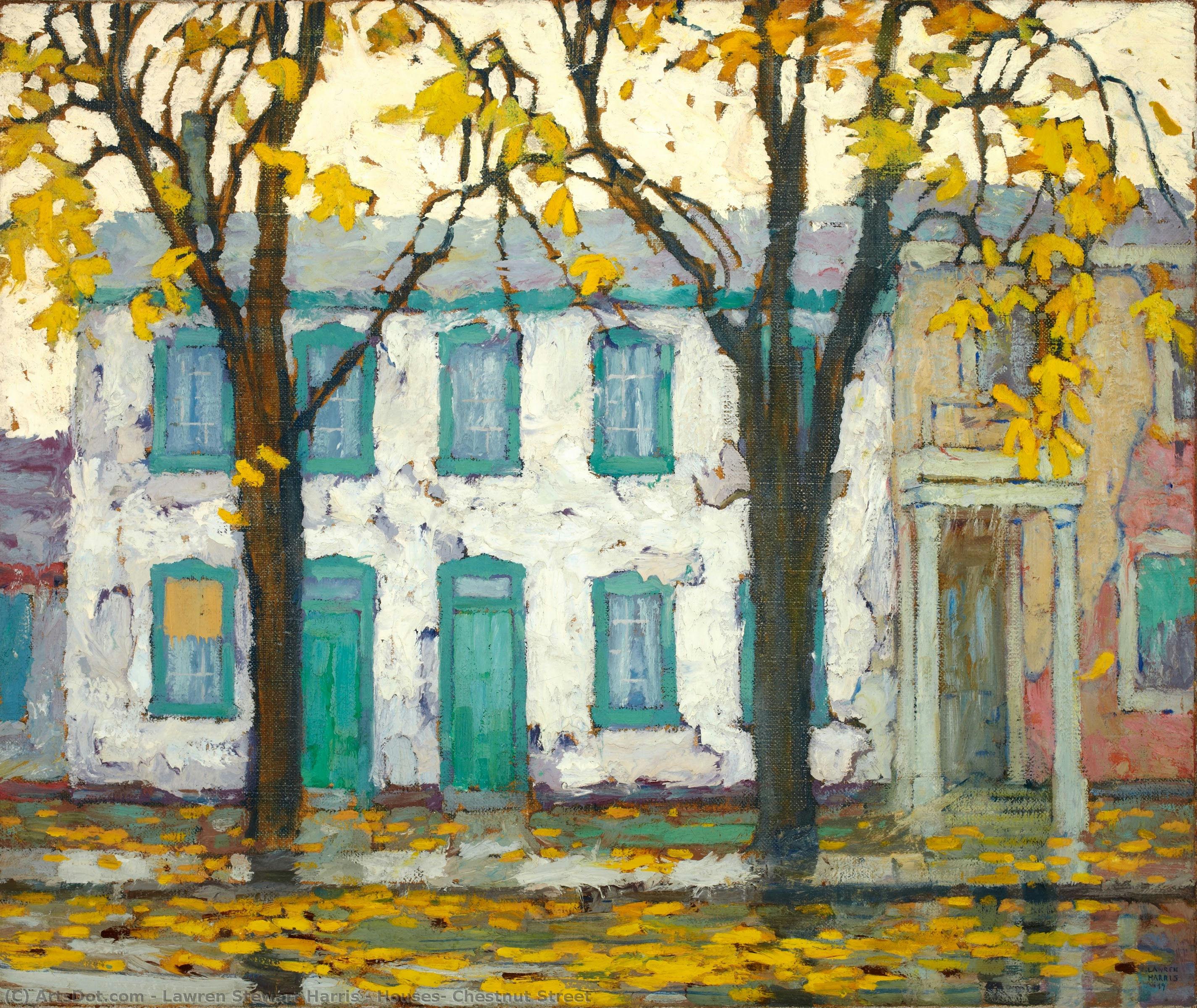
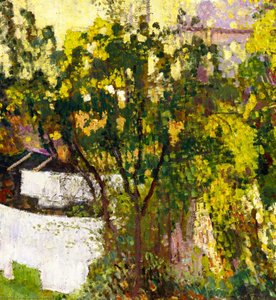
Houses, Chestnut Street
 Oil On Canvas
- WallArt
- Post-Impressionism
 1919
1919- Modern
 81.0 x 97.0 cm
 The Robert McLaughlin Gallery
 Read More
Purchase a high-resolution, enhanced digital image, far superior to the online preview.
Each file is meticulously prepared by our in-house specialists using advanced tools and expert manual retouching. We ensure every image has exceptional clarity, precise color accuracy, and fine detail.
The final file is delivered via email within 72 hours, optimized for immediate use in professional, editorial, and print environments. This is the same quality trusted by top-tier design studios, publishers, and galleries.
Digital Image
Download a high-resolution file for personal display, printing, and creative projects. ( Buy Print Buy Hand Made Painting)
Included in Every Digital Image Order
Expert Digital Delivery, Guaranteed
When you choose ArtsDot.com, you're not just getting an image - you're receiving a professionally enhanced digital artwork, crafted with precision and backed by a satisfaction guarantee. Here's everything that comes with your order, automatically:

Fast Email Delivery
Your high-resolution digital image file will be emailed to you within 72 hours of ordering - ready for immediate use.

AI-Enhanced Digital File
Your artwork is professionally optimized using advanced AI tools and manual editing, ensuring maximum detail, clarity, and color accuracy.

Free Lifetime Re-Delivery
Accidentally deleted or lost your file? No worries - we'll resend it to you anytime, free of charge.

No Import Fees - Ever
Enjoy your artwork instantly with zero customs, duties, or delivery fees - digital downloads are always tax-free.

Color Accuracy Guarantee
We ensure your digital image reflects the original colors as closely as possible using professional tools and color management.

60-Day Satisfaction Guarantee
If you're not satisfied with your digital image, we'll revise it or refund 100% within 60 days - no questions asked.

100% Money-Back Guarantee
Not satisfied? Get a full refund within 60 days of receiving your digital file - no questions asked.

Bulk Order Discounts
Buy 3 images, save 10% - Buy 5, save 15% - Buy 10+, save 20%. Great for creative projects, galleries, and agencies.
An Autumnal Symphony in Oil
In the quiet, evocative masterpiece Houses, Chestnut Street, we are invited into a world where time seems to slow, captured through the lens of a golden, autumnal afternoon. Painted in 1919, this work serves as a breathtaking window into a moment of domestic tranquility and seasonal transition. The composition centers on a rhythmic row of three houses, their structures anchored firmly within a landscape that breathes with life. A carpet of fallen leaves, rendered in brilliant shades of amber, gold, and ochre, blankets the foreground, creating a rich, tactile foundation that draws the viewer’s eye deep into the heart of the scene. Flanking these dwellings, majestic trees reach upward, their branches acting as organic sentinels that frame the architecture and connect the earth to the soft, diffused light of the sky.
The technique employed in this piece is a masterful display of Post-Impressionist sensibilities, reminiscent of the luminous works of Frederick Childe Hassam. Rather than relying on clinical precision, the artist utilizes a thick, expressive impasto application of oil paint. This heavy texture gives the canvas a sculptural quality; one can almost feel the weight of the pigment on the walls of the houses and the crispness of the foliage. The brushstrokes are loose and gestural, prioritizing the sensation of light and atmosphere over rigid realism. This approach allows the light—softened as if by an overcast sky—to dance across the edges of the buildings and catch the glint of a golden leaf, creating a sense of movement and vitality that remains frozen in time.
The Spirit of Canadian Impressionism
To understand the soul of this painting, one must look to the hand of Lawren Stewart Harris. While history often remembers Harris as a foundational pillar of the Group of Seven—famed for his later, more spiritualized depictions of the rugged Canadian North—this earlier work captures him in a moment of profound connection to the intimate, rhythmic beauty of the landscape. There is a palpable sense of nostalgia woven into the very fabric of the paint. The warmth of the color palette evokes a deep-seated comfort, a longing for the quietude of small-town life and the predictable, beautiful cycle of the seasons.
For the discerning collector or interior designer, Houses, Chestnut Street offers more than mere decoration; it provides an emotional anchor. The painting’s balanced composition and stable horizontal arrangement lend a sense of order and peace to any space, making it an ideal centerpiece for a room designed for reflection and repose. Its vibrant yet harmonious tones can breathe life into a neutral gallery wall or add a sophisticated layer of warmth to a contemporary study. Owning a reproduction of this caliber is an opportunity to possess a fragment of art history—a piece that celebrates the enduring beauty of the domestic landscape and the masterful ability of Harris to find the extraordinary within the ordinary.
Related Artworks


Artist Biography
A Pioneer of the Canadian Spirit: The Life and Art of Lawren Stewart Harris
Lawren Stewart Harris, born in Brantford, Ontario, in 1885, wasn’t merely a painter; he was an architect of Canadian identity. Emerging from a privileged background – his family's wealth stemming from the Massey-Harris agricultural machinery empire – Harris possessed the financial freedom to dedicate himself wholly to artistic exploration. This independence allowed him to forge a path distinct from European traditions, becoming a pivotal figure in defining a uniquely Canadian aesthetic. From an early age, he demonstrated a keen interest in art, pursuing formal training first in Berlin and then returning to Canada with a broadened perspective, yet one that would soon be redirected towards capturing the essence of his homeland.
Harris’s artistic journey truly ignited with his involvement in the formation of the Group of Seven. This collective of artists – including J.E.H. MacDonald, Franklin Carmichael, and A.Y. Jackson – shared a revolutionary vision: to move beyond imitation of European styles and depict the raw, untamed beauty of the Canadian landscape with bold originality. Harris wasn’t simply a member; he was a catalyst, providing both financial support and intellectual leadership that propelled the group forward. He believed in a spiritual connection to the land, viewing the vast forests, rugged mountains, and icy northern expanses as subjects worthy of profound artistic reverence.
The Evolution of Style: From Impressionism to Abstraction
Harris’s style underwent a remarkable transformation throughout his career. Initially influenced by Impressionism and Post-Impressionism acquired during his European studies, his early works displayed a vibrant palette and a focus on capturing light and atmosphere. However, this approach soon gave way to something far more distinctive. Inspired by the stark beauty of Algoma and later, the dramatic landscapes of Lake Superior and the Arctic, Harris began to simplify his compositions, reducing forms to their essential geometric shapes and employing a restrained color scheme. This wasn’t merely an aesthetic choice; it was a deliberate attempt to convey the spiritual power and enduring quality of the Canadian wilderness.
The 1920s marked a period of radical experimentation for Harris. He increasingly moved towards abstraction, stripping away representational details in favor of conveying emotional and symbolic meaning through color, line, and form. Notably, he even ceased signing and dating his works, believing that the art should stand on its own merit, unburdened by the artist’s identity or historical context. This bold move underscored his commitment to a purely visual experience, inviting viewers to engage with the paintings on a deeper, more intuitive level. Later in life, Harris embraced complete abstraction, co-founding the Transcendental Painting Group in New Mexico and exploring non-objective art that sought to express universal spiritual truths.
Legacy and Impact: A Lasting Impression
Lawren Harris’s contributions to Canadian art are immeasurable. As a founding member of the Group of Seven, he played an instrumental role in establishing Canada's first internationally recognized modern art movement. His paintings not only captured the physical beauty of the landscape but also evoked a sense of national pride and identity. He helped Canadians see their own country with new eyes, recognizing its unique character and spiritual significance.
Beyond his artistic achievements, Harris was a dedicated advocate for Canadian culture. He actively promoted the work of other artists and championed the importance of art education. His influence extended beyond painting, inspiring generations of artists to explore their own creative visions and embrace the challenges of forging a distinctly Canadian voice in the global art world.
In 1969, Harris was rightfully honored as a Companion of the Order of Canada, recognizing his lifetime dedication to artistic excellence and his profound impact on the nation’s cultural landscape. His works continue to be exhibited in major museums across Canada and internationally, ensuring that his legacy endures for generations to come. To experience the power of Lawren Harris is to connect with the very soul of Canada – a land of vastness, beauty, and enduring spirit.
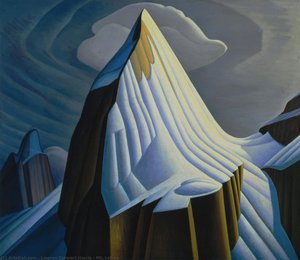
- Notable Works: “Above Lake Superior” (1922), “Algoma Country,” “Houses, Chestnut Street”, "Northern Lake", "Mountains, Moraine Lake".
- Further Exploration: Discover more about Lawren Harris on Wikipedia and explore the collection at The McMichael Canadian Art Collection.
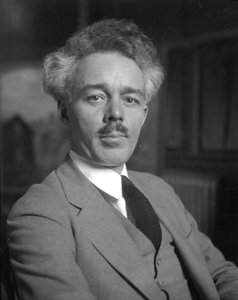
Lawren Stewart Harris
1885 - 1970 , Canada
Quick Facts
- Artistic Movement Or Style: Group of Seven, Minimalism
- Artists Or Movements Influenced By This Artist: ['Canadian Modern Art']
- Date Of Birth: October 23, 1885
- Date Of Death: January 29, 1970
- Full Name: Lawren Stewart Harris
- Nationality: Canadian
- Notable Artworks:
- Above Lake Superior
- Algoma Country
- Houses, Chestnut Street
- Northern Lake
- Place Of Birth: Brantford, Canada

