 Preview
 Send
Send Share
Share
 Details

 Download
 Similars
 X-Ray
X-Ray Diaporama
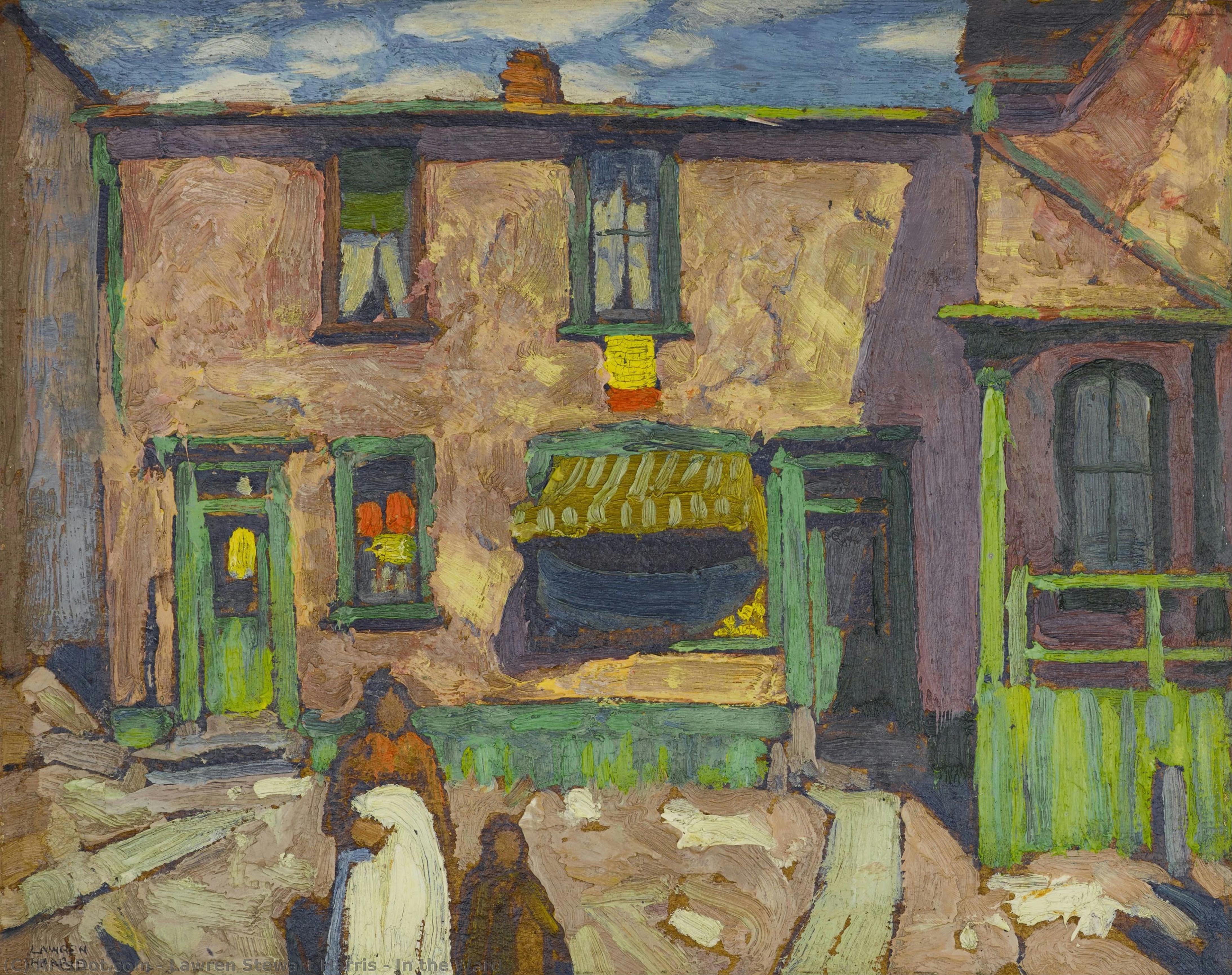
In the Ward
 Oil
Oil- WallArt
- Contemporary Realism
 1922
1922- Modern
 27.0 x 34.0 cm
 McMichael Canadian Art Collection
 Read More
Hand Made Oil Reproduction
Hand-painted oil on canvas in your size and frame, made to order by our artists. ( Buy Print Buy Image)




P118B $10

P118H $10

P118W $10

P438Z $10

P508JH $12

P508YH $12

P805H $10

P805Z $10

P919BZ $10

P919G $10

P919XJ $10

P959ZH $10

P968JZ $12

W106C $8

W218G $10

W218JH $8

W218Y $10

W307PJ $10

W316G $10

W316PJ $8

W316Y $10

W398PJ $8

W4111J $10

W500HY $15

W500JH $15

W692G $12

W849H $8

W940BG $15

W953PJ $8




Pick from our preset sizes that match the artwork's original proportions.

You may enter your own dimensions to fit a specific frame or space. If your selected size does not match the original image's proportions, we will either crop the artwork or extend the painting with additional hand-painted elements. A digital mockup will be sent for your approval before production begins.
Please note that the on-screen preview does not reflect the actual cropping or extension. Only the mockup will accurately show the final composition.
While custom sizes are available, we recommend selecting a dimension from the predefined list to preserve the original proportions.
After order, ArtsDot.com team will email client for instructions and provide a mockup preview
Worldwide Delivery () in 3/4 weeks instead of standard 5 weeks. (17 August). No compromise on quality.

Free Worldwide Express Shipping

High-Quality Linen Canvas

Full Shipping Insurance

Customs Tax Refund Guarantee

True Color Matching Guarantee

60-Day Return Policy (Defects Only)

100% Money-Back Guarantee

Bulk Discount Offer
 Glass option is only available in size under 110 CM

In the Ward
Reproduction Medium
Reproduction Size
-


Total Price
$ 263
Artwork Description
A Window into the Pulse of Small-Town Life
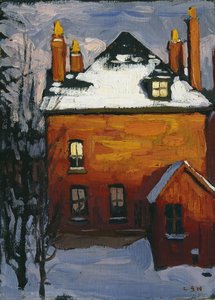
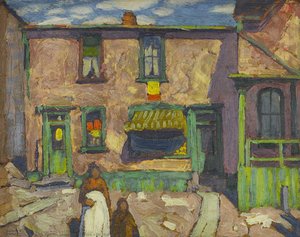
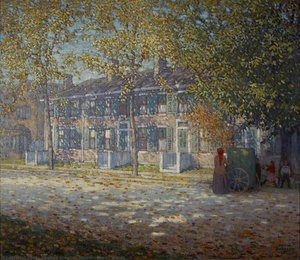
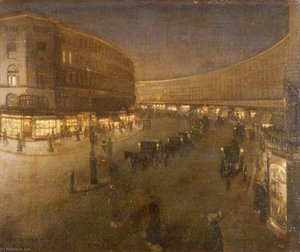
In the quiet moments of 1922, Lawren Stewart Harris captured something far more intimate than the sweeping, spiritual landscapes for which he would later become world-renowned. In the Ward serves as a vibrant, rhythmic window into the daily choreography of a small town street. At first glance, the viewer is swept into a bustling scene where the mundane becomes monumental. Two women walk in tandem along the sidewalk, their presence anchoring the composition and inviting us to join their stroll through this lively urban pocket. The painting breathes with the energy of human connection, populated by figures that drift between the foreground and the soft periphery, creating a sense of depth and continuous motion.
The charm of this piece lies in its meticulous attention to the small, lived-in details that ground the scene in reality. A bicycle rests casually against the left side of the street, a silent witness to the passing hours, while a solitary chair sits near the center, suggesting a momentary pause in the day's labor. The presence of two bowls placed closely together hints at an outdoor market or a shared meal, adding a layer of communal warmth to the atmosphere. These elements are not merely objects; they are symbols of a settled, rhythmic existence, where every item holds a place within the social fabric of the community.
Mastery of Light and Early Impressionistic Spirit
While Harris is often celebrated as an architect of Canadian minimalism, In the Ward showcases a different facet of his technical prowess. Here, we see a painter deeply engaged with the play of light and the texture of street life. The technique employs a vivid palette that breathes life into the pavement and the figures alike. There is a palpable sense of atmosphere—a certain luminosity that suggests the sun filtering through a midday haze, casting soft shadows and illuminating the textures of the town. This approach bridges the gap between late Impressionism and a burgeoning modernism, using color to evoke not just sight, but feeling.
For the discerning collector or interior designer, this work offers a unique opportunity to introduce a sense of narrative warmth into a space. Unlike more austere landscapes, this painting provides a conversational focal point that stimulates the imagination. It possesses an emotional resonance that is both nostalgic and invigorating, making it an ideal centerpiece for a room designed to feel lived-in and soulful. Whether placed in a contemporary gallery setting or a classic study, the piece acts as a storyteller, bringing the rhythmic heartbeat of 1920s street life into the modern home.
A Legacy of Connection
To possess a reproduction of this work is to hold a fragment of Canadian art history. Before Harris moved toward the transcendental, minimalist vistas of the North, he was deeply invested in the human element of the landscape. In the Ward captures that pivotal era of exploration. It reminds us that the essence of art lies not only in the grand and the sublime but in the shared glances, the parked bicycles, and the quiet bustle of a street corner. It is an invitation to slow down, to observe, and to find beauty in the intricate, beautiful patterns of our collective daily lives.
Related Artworks
Artist Biography
A Pioneer of the Canadian Spirit: The Life and Art of Lawren Stewart Harris
Lawren Stewart Harris, born in Brantford, Ontario, in 1885, wasn’t merely a painter; he was an architect of Canadian identity. Emerging from a privileged background – his family's wealth stemming from the Massey-Harris agricultural machinery empire – Harris possessed the financial freedom to dedicate himself wholly to artistic exploration. This independence allowed him to forge a path distinct from European traditions, becoming a pivotal figure in defining a uniquely Canadian aesthetic. From an early age, he demonstrated a keen interest in art, pursuing formal training first in Berlin and then returning to Canada with a broadened perspective, yet one that would soon be redirected towards capturing the essence of his homeland.
Harris’s artistic journey truly ignited with his involvement in the formation of the Group of Seven. This collective of artists – including J.E.H. MacDonald, Franklin Carmichael, and A.Y. Jackson – shared a revolutionary vision: to move beyond imitation of European styles and depict the raw, untamed beauty of the Canadian landscape with bold originality. Harris wasn’t simply a member; he was a catalyst, providing both financial support and intellectual leadership that propelled the group forward. He believed in a spiritual connection to the land, viewing the vast forests, rugged mountains, and icy northern expanses as subjects worthy of profound artistic reverence.
The Evolution of Style: From Impressionism to Abstraction
Harris’s style underwent a remarkable transformation throughout his career. Initially influenced by Impressionism and Post-Impressionism acquired during his European studies, his early works displayed a vibrant palette and a focus on capturing light and atmosphere. However, this approach soon gave way to something far more distinctive. Inspired by the stark beauty of Algoma and later, the dramatic landscapes of Lake Superior and the Arctic, Harris began to simplify his compositions, reducing forms to their essential geometric shapes and employing a restrained color scheme. This wasn’t merely an aesthetic choice; it was a deliberate attempt to convey the spiritual power and enduring quality of the Canadian wilderness.
The 1920s marked a period of radical experimentation for Harris. He increasingly moved towards abstraction, stripping away representational details in favor of conveying emotional and symbolic meaning through color, line, and form. Notably, he even ceased signing and dating his works, believing that the art should stand on its own merit, unburdened by the artist’s identity or historical context. This bold move underscored his commitment to a purely visual experience, inviting viewers to engage with the paintings on a deeper, more intuitive level. Later in life, Harris embraced complete abstraction, co-founding the Transcendental Painting Group in New Mexico and exploring non-objective art that sought to express universal spiritual truths.
Legacy and Impact: A Lasting Impression
Lawren Harris’s contributions to Canadian art are immeasurable. As a founding member of the Group of Seven, he played an instrumental role in establishing Canada's first internationally recognized modern art movement. His paintings not only captured the physical beauty of the landscape but also evoked a sense of national pride and identity. He helped Canadians see their own country with new eyes, recognizing its unique character and spiritual significance.
Beyond his artistic achievements, Harris was a dedicated advocate for Canadian culture. He actively promoted the work of other artists and championed the importance of art education. His influence extended beyond painting, inspiring generations of artists to explore their own creative visions and embrace the challenges of forging a distinctly Canadian voice in the global art world.
In 1969, Harris was rightfully honored as a Companion of the Order of Canada, recognizing his lifetime dedication to artistic excellence and his profound impact on the nation’s cultural landscape. His works continue to be exhibited in major museums across Canada and internationally, ensuring that his legacy endures for generations to come. To experience the power of Lawren Harris is to connect with the very soul of Canada – a land of vastness, beauty, and enduring spirit.
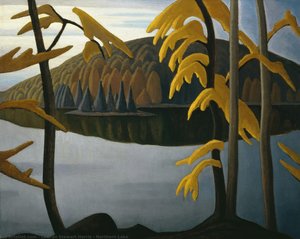
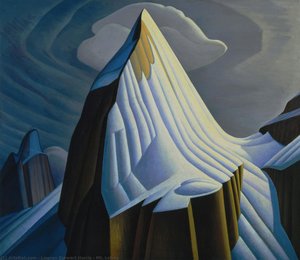
- Notable Works: “Above Lake Superior” (1922), “Algoma Country,” “Houses, Chestnut Street”, "Northern Lake", "Mountains, Moraine Lake".
- Further Exploration: Discover more about Lawren Harris on Wikipedia and explore the collection at The McMichael Canadian Art Collection.
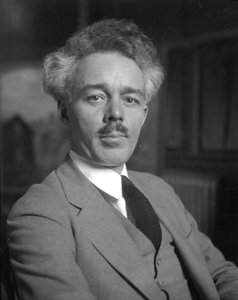
Lawren Stewart Harris
1885 - 1970 , Canada
Quick Facts
- Artistic Movement Or Style: Group of Seven, Minimalism
- Artists Or Movements Influenced By This Artist: ['Canadian Modern Art']
- Date Of Birth: October 23, 1885
- Date Of Death: January 29, 1970
- Full Name: Lawren Stewart Harris
- Nationality: Canadian
- Notable Artworks:
- Above Lake Superior
- Algoma Country
- Houses, Chestnut Street
- Northern Lake
- Place Of Birth: Brantford, Canada
Related Articles
Marianne North's Masterpieces: 25 Botanical Paintings That Bloom With Adventure | ArtsDot
Journey through the vibrant world of Marianne North’s botanical paintings! Explore 25 iconic artworks from this Victorian artist, celebrating exotic flora & travel. Find museum-quality reproductions and curated decor ideas at ArtsDot.com.
Beyond Graffiti: Exploring the Evolution & Cultural Impact of Street Art for Collectors
Explore the evolution of street art from rebellious origins to a respected fine art form. Discover key artists like Banksy & learn how to collect urban art with confidence. Expert insights for discerning investors.

Hokusai's Masterpieces: 25 Iconic Prints & Paintings for Art Lovers | ArtsDot
Journey through Katsushika Hokusai’s 25 most iconic artworks, including *The Great Wave*. Explore the ukiyo-e master's history, style & timeless Japanese woodblock prints. Find museum-quality reproductions for your home at ArtsDot.com.
Top 10 Masterpieces for Your Living Room: Iconic Paintings & Art Decor Ideas |
Transform your living room with iconic art! Explore our guide to the Top 10 most famous paintings – from Van Gogh's Starry Night to Mona Lisa. Discover artist stories, techniques & find museum-quality reproductions for timeless decor. Explore the full collection on
Monet's Masterpieces: 25 Iconic Artworks to Transform Your Home
Journey through 25 iconic Claude Monet masterpieces! Explore Impressionism’s beauty, from Water Lilies to Rouen Cathedral. Discover stunning art reproductions & curated decor ideas – explore the full collection online at ArtsDot.com.