

 Preview
 Send
Send Share
Share
 Details

 Download
 Similars
 X-Ray
X-Ray Diaporama
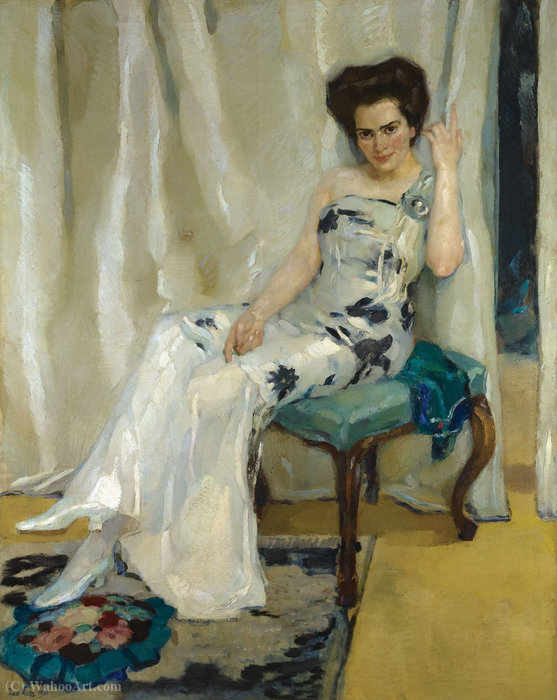
Cara sophia kohler, (1911)
 Read More
Purchase a high-resolution, enhanced digital image, far superior to the online preview.
Each file is meticulously prepared by our in-house specialists using advanced tools and expert manual retouching. We ensure every image has exceptional clarity, precise color accuracy, and fine detail.
The final file is delivered via email within 72 hours, optimized for immediate use in professional, editorial, and print environments. This is the same quality trusted by top-tier design studios, publishers, and galleries.
Digital Image
Download a high-resolution file for personal display, printing, and creative projects. ( Buy Print Buy Hand Made Painting)
Included in Every Digital Image Order
Expert Digital Delivery, Guaranteed
When you choose ArtsDot.com, you're not just getting an image - you're receiving a professionally enhanced digital artwork, crafted with precision and backed by a satisfaction guarantee. Here's everything that comes with your order, automatically:

Fast Email Delivery
Your high-resolution digital image file will be emailed to you within 72 hours of ordering - ready for immediate use.

AI-Enhanced Digital File
Your artwork is professionally optimized using advanced AI tools and manual editing, ensuring maximum detail, clarity, and color accuracy.

Free Lifetime Re-Delivery
Accidentally deleted or lost your file? No worries - we'll resend it to you anytime, free of charge.

No Import Fees - Ever
Enjoy your artwork instantly with zero customs, duties, or delivery fees - digital downloads are always tax-free.

Color Accuracy Guarantee
We ensure your digital image reflects the original colors as closely as possible using professional tools and color management.

60-Day Satisfaction Guarantee
If you're not satisfied with your digital image, we'll revise it or refund 100% within 60 days - no questions asked.

100% Money-Back Guarantee
Not satisfied? Get a full refund within 60 days of receiving your digital file - no questions asked.

Bulk Order Discounts
Buy 3 images, save 10% - Buy 5, save 15% - Buy 10+, save 20%. Great for creative projects, galleries, and agencies.
Related Artworks









Artist Biography
Henri Matisse: A Life Painted in Color
Henri Matisse, a name synonymous with vibrant color and fluid form, stands as one of the most pivotal figures in 20th-century art. Born Henri Émile Benoît Matisse on December 31, 1869, in Le Cateau, France, his artistic journey was anything but conventional. Initially destined for a career in law, a youthful illness sparked an unexpected passion – painting. This shift marked the beginning of a prolific and transformative career that would redefine modern aesthetics and profoundly influence generations of artists.
Matisse’s early years were steeped in the traditions of academic art, as evidenced by his studies at the École Quentin-Latour and later at the prestigious École des Beaux-Arts in Paris. However, he quickly grew disillusioned with the rigid constraints of classical training, seeking a more expressive and personal approach to art. He initially found inspiration in the works of artists like William-Adolphe Bouguereau and Paul Cézanne, absorbing their techniques while simultaneously forging his own distinct style. It was during this period that Matisse began experimenting with color, moving away from the muted tones favored by many of his contemporaries.
The Fauvist Revolution
Around 1900, Matisse became a central figure in the burgeoning Fauvist movement – a term coined to describe artists who boldly embraced intense, non-naturalistic colors. Influenced by Paul Gauguin and Vincent van Gogh, Matisse sought to convey emotion and atmosphere through color alone, rejecting traditional notions of representation. His paintings from this period, such as *Woman with a Hat* (1905) and *The Red Studio* (1911), are characterized by their audacious palettes – fiery reds, vibrant blues, and shocking yellows – applied in broad, arbitrary strokes. These works were initially met with criticism and derision, but they signaled a radical departure from established artistic conventions and paved the way for future developments in modern art.
Matisse’s exploration of color wasn't merely decorative; it was deeply rooted in his understanding of perception and psychology. He believed that color could evoke powerful emotions and create a sense of harmony or discord within a composition. This belief informed his later work, particularly during his time in Nice, where he developed a more refined and controlled approach to color, utilizing subtle shifts in hue and tone to achieve remarkable effects of light and shadow.
A Mediterranean Shift & Collage
In 1917, Matisse relocated to Nice on the French Riviera, seeking respite from the turmoil of World War I. This move proved transformative, leading to a shift in his artistic style towards greater simplicity and elegance. The warm light and vibrant colors of the Mediterranean landscape profoundly influenced his work, resulting in paintings that exuded a sense of tranquility and optimism. During this period, he began experimenting with paper cutouts – intricate designs created by cutting shapes from colored paper and assembling them into compositions. This technique, which he developed later in life, allowed him to explore new forms of abstraction and create works of astonishing delicacy and precision.
Matisse’s cut-out collages are particularly noteworthy for their innovative use of space and composition. He treated the paper as a sculptural material, manipulating its shapes and colors with remarkable skill. These works demonstrate his continued fascination with color and form, while also revealing a newfound interest in geometric abstraction.
Legacy & Influence
Henri Matisse died on November 3, 1954, leaving behind an extraordinary body of work that continues to captivate audiences worldwide. His influence on subsequent generations of artists is immeasurable, shaping the course of modern art and inspiring countless painters, sculptors, and designers. From his pioneering use of color to his innovative approach to composition and form, Matisse’s legacy endures as a testament to the power of artistic vision and the transformative potential of creative expression.
His work is held in major museums around the world, including the Metropolitan Museum of Art, the Tate Gallery, and the MoMA in New York. Matisse's art remains a vibrant celebration of color, form, and the human experience – a timeless reminder of the beauty and joy that can be found in the simplest of things.
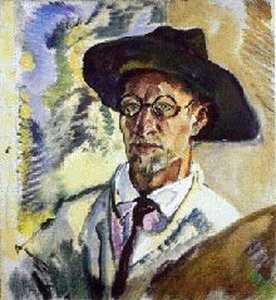
leo putz
1869 - 1940
Quick Facts
- Artistic Movement Or Style:
- Fauvism
- Modernism
- Artists Or Movements Influenced By This Artist: ['Pablo Picasso']
- Artists Who Influenced This Artist:
- William-Adolphe Bouguereau
- Paul Cézanne
- Date Of Birth: December 31, 1869
- Date Of Death: November 3, 1954
- Full Name: Henri-Émile-Benoît Matisse
- Nationality: French
- Notable Artworks:
- The Red Studio
- Dance (Matisse)
- Blue Nude
- Place Of Birth: Le Cateau, Picardy, France

