 Preview
 Send
Send Share
Share
 Details

 Download
 Similars
 X-Ray
X-Ray Diaporama
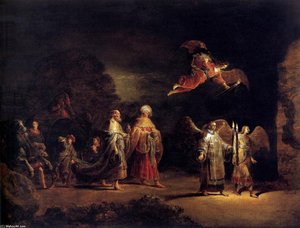
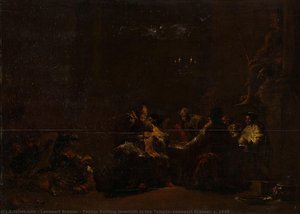
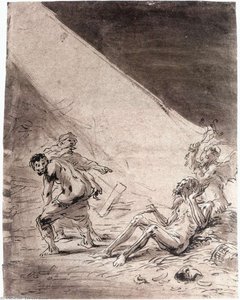
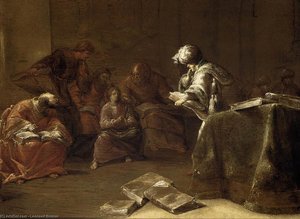
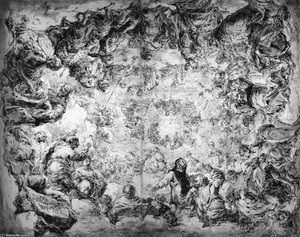
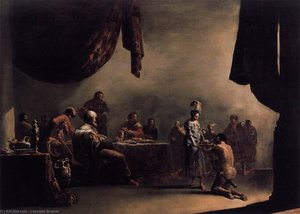
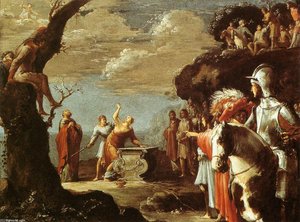
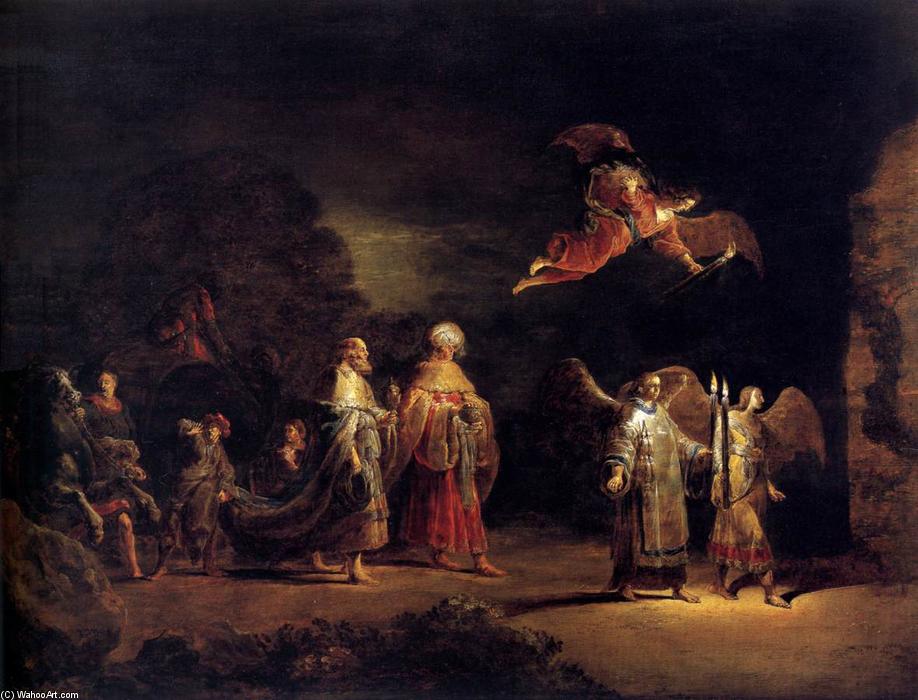
Journey of the Three Magi to Bethlehem
 Oil On Canvas
- WallArt
- Baroque
 1638
1638 79.0 x 107.0 cm
 New York Historical Society
 Read More
Hand Made Oil Reproduction
Hand-painted oil on canvas in your size and frame, made to order by our artists. ( Buy Print Buy Image)




P118B $10

P118H $10

P118W $10

P438Z $10

P508JH $12

P508YH $12

P805H $10

P805Z $10

P919BZ $10

P919G $10

P919XJ $10

P959ZH $10

P968JZ $12

W106C $8

W218G $10

W218JH $8

W218Y $10

W307PJ $10

W316G $10

W316PJ $8

W316Y $10

W398PJ $8

W4111J $10

W500HY $15

W500JH $15

W692G $12

W849H $8

W940BG $15

W953PJ $8




Pick from our preset sizes that match the artwork's original proportions.

You may enter your own dimensions to fit a specific frame or space. If your selected size does not match the original image's proportions, we will either crop the artwork or extend the painting with additional hand-painted elements. A digital mockup will be sent for your approval before production begins.
Please note that the on-screen preview does not reflect the actual cropping or extension. Only the mockup will accurately show the final composition.
While custom sizes are available, we recommend selecting a dimension from the predefined list to preserve the original proportions.
After order, ArtsDot.com team will email client for instructions and provide a mockup preview
Worldwide Delivery () in 3/4 weeks instead of standard 5 weeks. (17 August). No compromise on quality.

Free Worldwide Express Shipping

High-Quality Linen Canvas

Full Shipping Insurance

Customs Tax Refund Guarantee

True Color Matching Guarantee

60-Day Return Policy (Defects Only)

100% Money-Back Guarantee

Bulk Discount Offer
 Glass option is only available in size under 110 CM

Journey of the Three Magi to Bethlehem
Reproduction Medium
Reproduction Size
-


Total Price
$ 363
Artwork Description
Journey of the Magi by Leonaert Bramer: A Baroque Masterpiece Illuminated
Leonaert Bramer’s “Journey of the Magi,” completed in 1638, stands as a testament to the grandeur and spiritual depth of the Dutch Golden Age. More than just a depiction of biblical narrative, it embodies the stylistic hallmarks of Baroque realism—a dramatic interplay of light and shadow, meticulous detail, and an overwhelming emotional resonance that continues to captivate viewers centuries later.
- Subject Matter: The painting recounts the iconic pilgrimage of the Magi – Melchior, Caspar, and Baltazar – towards Bethlehem to venerate Jesus Christ’s nativity. This familiar biblical tale is presented with a profound sense of urgency and anticipation, capturing the pivotal moment of divine revelation.
- Style & Technique: Bramer adheres rigorously to Baroque principles, prioritizing theatricality and emotional intensity. Employing oil paint on canvas, he utilizes impasto—thickly applied pigment—to sculpt surfaces and imbue the scene with palpable texture. Lines are strategically employed to define forms and create movement, particularly in the drapery of the Magi and their gestures, conveying a dynamic energy that defies stillness.
- Historical Context: Created during Bramer’s prolific artistic career, “Journey of the Magi” reflects the broader cultural landscape of Delft and the Netherlands at the time—a period marked by fervent religious piety and an admiration for classical ideals blended with dramatic visual expression. The painting aligns perfectly with the prevailing Baroque aesthetic championed by artists like Caravaggio and Rembrandt, demonstrating Bramer’s mastery of capturing human emotion and conveying spiritual significance.
- Symbolism: Beyond its narrative core, the artwork is laden with symbolic elements. The prominent angel heralds divine grace, while candlelight illuminates Joseph's face—a focal point of solemn contemplation. The Magi’s procession embodies faith and pilgrimage, symbolizing humanity’s quest for enlightenment and spiritual understanding.
- Emotional Impact: “Journey of the Magi” succeeds in transporting viewers to a moment of profound drama and emotional upheaval. The artist skillfully manipulates light and color to heighten tension and evoke feelings of awe and reverence—a characteristic hallmark of Baroque art designed to inspire contemplation and elicit an emotional response from the audience.
The painting’s composition is deliberately flattened, creating a stage-like atmosphere that emphasizes the importance of the central figures. Depth is subtly suggested through variations in light and shadow, reinforcing the dramatic narrative and immersing the viewer within the scene's emotive core.
Further research into Leonaert Bramer reveals his remarkable journey—from Delft’s artistic crucible to the intellectual fervor of Rome—solidifying his position as a cornerstone of Dutch Baroque art. His dedication to capturing human emotion and conveying spiritual truth continues to inspire admiration and scholarly interest today.
Related Artworks

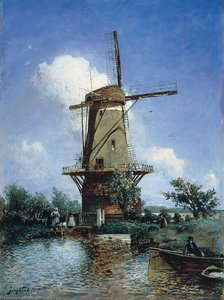
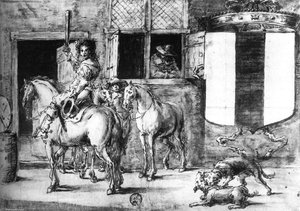
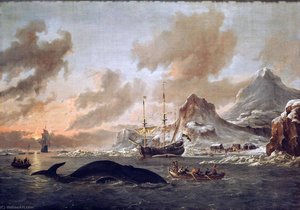
Artist Biography
A Life Illuminated: The World of Leonaert Bramer
Leonaert Bramer, a name resonating with the echoes of 17th-century Delft, was more than just a painter; he was an adventurer, innovator, and a pivotal figure in the Dutch Golden Age. Born in 1596, his life unfolded as a compelling narrative woven with extensive travel, artistic experimentation, and deep engagement within the vibrant cultural tapestry of his time. Bramer’s legacy isn't simply defined by the canvases he filled but by the unique perspective he brought to them – a penchant for dramatic nocturnal scenes infused with exotic details that set him apart from many of his contemporaries. He wasn’t merely depicting reality; he was crafting worlds steeped in atmosphere and intrigue, earning him the evocative moniker “Leonardo della Notte” or "Leonardo of the Night" during his sojourn in Italy.From Delft to Rome: A Journey of Artistic Formation
Bramer's artistic journey began with a bold departure from his native Delft at the tender age of eighteen, embarking on a grand tour that would shape his aesthetic sensibilities. This wasn’t a leisurely exploration but an immersive apprenticeship in the heart of European art centers. Passing through cities like Atrecht, Amiens, and Paris, he eventually arrived in Rome in 1616, a crucible for artistic ambition. There, he joined the ranks of the *Bentvueghels*, a society of Northern artists who adopted satirical nicknames and engaged in lively intellectual discourse. Bramer became known as “Nestelghat” (Fidget), hinting at a restless energy that permeated both his life and art. His time in Italy wasn’t without its clashes; accounts detail a physical altercation with the renowned Claude Lorraine, demonstrating a passionate spirit unafraid of confrontation. However, it was within this dynamic environment that Bramer honed his skills, mastering fresco painting – a technique relatively uncommon in Northern Europe – while absorbing the influence of masters like Adam Elsheimer and Agostino Tassi. He traveled extensively throughout Italy, visiting Mantua and Venice, each location adding another layer to his developing style.Return to Delft: Patronage, Innovation, and Artistic Versatility
Returning to Delft in 1628, Bramer seamlessly integrated into the local art scene, joining the Guild of Saint Luke in 1629. He quickly garnered patronage from prominent figures, including members of the House of Orange and influential local officials, securing a stable foundation for his artistic endeavors. But Bramer was no one-dimensional artist; he embraced diverse creative pursuits beyond painting. He designed intricate patterns for tapestry firms, creating works that adorned homes across the Netherlands. Furthermore, he undertook ambitious mural projects, employing illusionistic techniques to transform interior spaces into immersive environments. Sadly, many of these frescos were lost over time due to the harsh Dutch climate, but their existence testifies to Bramer’s remarkable versatility and willingness to push artistic boundaries. His unique style, characterized by a nervous energy and masterful depiction of light reflection, consistently favored Italianate themes over the more conventional Dutch landscapes or still lifes, marking him as an individualist within his milieu.A Mentor's Touch: Bramer’s Influence and Lasting Legacy
Bramer’s influence extended beyond his own artistic output. He is believed to have played a crucial role in the early career of Johannes Vermeer, defending the young artist when his future mother-in-law attempted to prevent his marriage. This act suggests a close relationship, leading many scholars to speculate that Bramer may have served as Vermeer’s teacher – though concrete evidence remains elusive. His intellectual curiosity was further demonstrated through the creation of the “Album Bramer” (1642-1654), a collection of drawings offering invaluable insights into the art collections and artistic practices prevalent in Delft during his time. Leonaert Bramer passed away in Delft before February 10, 1674, leaving behind a body of work that continues to captivate and intrigue. While his fame waned for a period after his death, recent scholarship has sparked renewed interest in his life and art, solidifying his position as an important – and often overlooked – figure in Dutch artistic history. He remains a testament to the power of individual vision and the enduring allure of a life lived in pursuit of artistic excellence.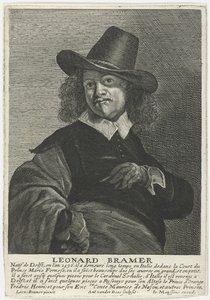
Leonaert Bramer
1596 - 1674 , Netherlands
Quick Facts
- Artistic Movement Or Style: Baroque
- Artists Or Movements Influenced By This Artist: ['Johannes Vermeer']
- Artists Who Influenced This Artist:
- Adam Elsheimer
- Agostino Tassi
- Date Of Birth: 1596
- Date Of Death: 1674
- Full Name: Leonaert Bramer
- Nationality: Dutch
- Notable Artworks:
- St Peter’s Denial
- Pashur Smiting Jeremiah
- The Judgment of Solomon
- Place Of Birth: Delft, Netherlands
Related Articles

Dutch Baroque Masters: 10 Paintings That Shaped an Era | ArtsDot
Journey through the Golden Age with our guide to the Top 10 Dutch Baroque masterpieces! Explore iconic paintings by Rembrandt, Vermeer & Frans Hals. Find museum-quality art reproductions and elevate your home decor at ArtsDot.com.

Golden Age Reflections: Dutch Baroque Painting & Cultural Innovation
Explore the Dutch Golden Age of painting! Discover key artists like Vermeer & ter Borch, their innovative techniques, and the rich cultural context behind these Baroque masterpieces. Learn about collecting & appreciating this iconic art period.

Baroque Masterpieces: 10 Paintings That Defined an Era |
Journey through the drama & grandeur of Baroque art! Explore 10 masterpieces by Caravaggio, Rembrandt, Rubens & more. Discover stunning oil paintings, rich colors & timeless stories. Find museum-quality reproductions at .

Baroque Drama: Bringing Opulence & Emotion into Contemporary Interiors
Explore the opulent world of Baroque interior design! Discover key elements, modern applications & how to bring dramatic elegance into your home with 's authentic reproductions.

The Dramatic Flourish: Exploring the Baroque Movement's Enduring Legacy in Art History
Explore the dramatic world of Baroque art! Discover iconic artists like Caravaggio & Rubens, defining techniques, and its lasting impact on art history. Expert insights for collectors & enthusiasts at ArtsDot.