 Preview
 Send
Send Share
Share
 Details

 Download
 Similars
 X-Ray
X-Ray Diaporama
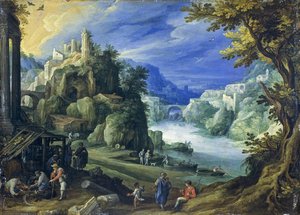
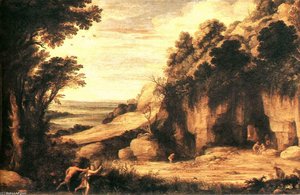
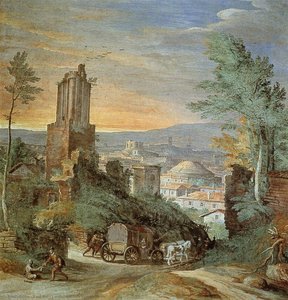
Ruins and Figures
 Oil On Copper
- Italianate Landscape
 1600
1600 27.0 x 35.0 cm
 The Louvre
 Read More
Hand Made Oil Reproduction
Hand-painted oil on canvas in your size and frame, made to order by our artists. ( Buy Print Buy Image)




P118B $10

P118H $10

P118W $10

P438Z $10

P508JH $12

P508YH $12

P805H $10

P805Z $10

P919BZ $10

P919G $10

P919XJ $10

P959ZH $10

P968JZ $12

W106C $8

W218G $10

W218JH $8

W218Y $10

W307PJ $10

W316G $10

W316PJ $8

W316Y $10

W398PJ $8

W4111J $10

W500HY $15

W500JH $15

W692G $12

W849H $8

W940BG $15

W953PJ $8




Pick from our preset sizes that match the artwork's original proportions.

You may enter your own dimensions to fit a specific frame or space. If your selected size does not match the original image's proportions, we will either crop the artwork or extend the painting with additional hand-painted elements. A digital mockup will be sent for your approval before production begins.
Please note that the on-screen preview does not reflect the actual cropping or extension. Only the mockup will accurately show the final composition.
While custom sizes are available, we recommend selecting a dimension from the predefined list to preserve the original proportions.
After order, ArtsDot.com team will email client for instructions and provide a mockup preview
Worldwide Delivery () in 3/4 weeks instead of standard 5 weeks. (16 August). No compromise on quality.

Free Worldwide Express Shipping

High-Quality Linen Canvas

Full Shipping Insurance

Customs Tax Refund Guarantee

True Color Matching Guarantee

60-Day Return Policy (Defects Only)

100% Money-Back Guarantee

Bulk Discount Offer
 Glass option is only available in size under 110 CM

Ruins and Figures
Reproduction Medium
Reproduction Size
-


Total Price
$ 263
Artwork Description
A Glimpse of Renaissance Arcadia: Paul Bril’s “Ruins and Figures”
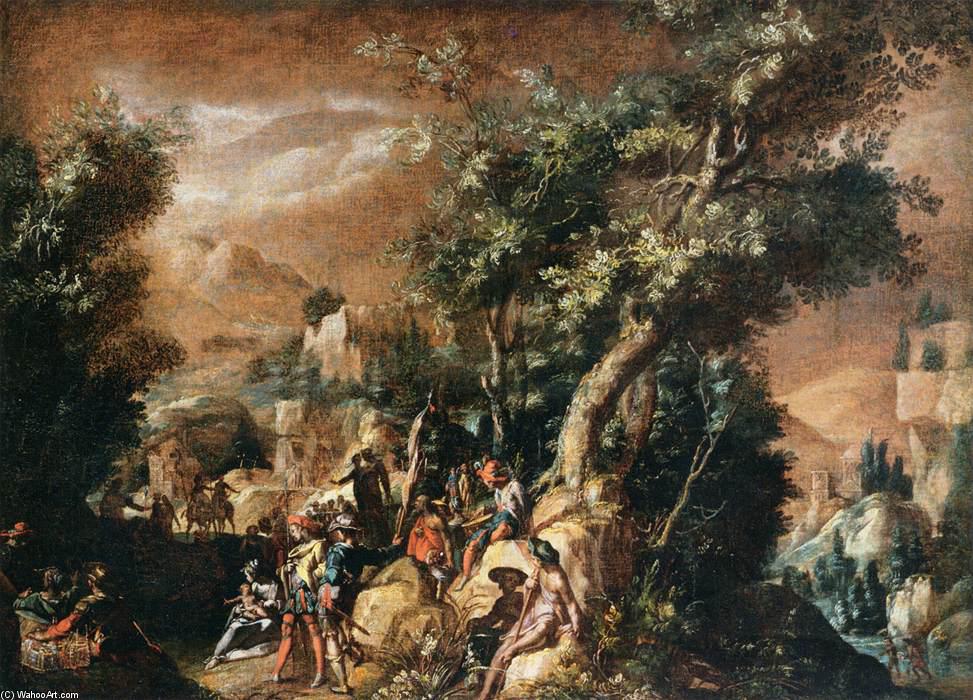
Paul Bril's "Ruins and Figures," painted in 1600, is more than just a landscape; it’s a carefully constructed meditation on time, memory, and the enduring beauty of nature. Housed within the hallowed halls of the Louvre Museum in Paris, this oil-on-copper masterpiece transports us to an idealized Italian countryside, a realm both familiar and profoundly evocative. Bril, a pivotal figure in the development of the Italianate landscape genre, masterfully blends classical motifs with a distinctly Northern European sensibility, creating a scene that resonates with a serene yet subtly melancholic atmosphere. The painting’s genesis lies within the burgeoning Renaissance interest in antiquity – the ruins themselves serve as poignant reminders of vanished civilizations and the passage of time, while simultaneously offering a stage for human activity.Composition and Technique: A Symphony of Earth Tones
The composition of “Ruins and Figures” is remarkably balanced, drawing the eye through a carefully orchestrated arrangement of elements. The foreground is dominated by rugged terrain – rocky outcrops and cliffs that provide a dramatic backdrop to the scene. These imposing natural features are skillfully contrasted with patches of verdant foliage, creating a dynamic interplay between wildness and cultivated beauty. Scattered throughout this landscape are figures engaged in various activities: some resting beneath trees, others traveling along winding paths, and still others conversing – each contributing to the sense of a vibrant, lived-in world. Bril’s use of earth tones—ochres, browns, and muted greens—dominates the palette, lending the scene a timeless quality. The soft lighting, characteristic of his style, further enhances this effect, bathing the landscape in a gentle glow that evokes both warmth and tranquility. The choice of oil on copper was crucial; it allowed for the rich, luminous colors and subtle gradations of tone that define Bril’s distinctive style, offering an unparalleled level of detail and depth.Historical Context: Echoes of Classical Antiquity
“Ruins and Figures” is deeply rooted in the Renaissance fascination with classical antiquity. The inclusion of ruins—likely inspired by the remnants of Roman villas or temples—is a deliberate nod to this historical context. These crumbling structures aren’t merely decorative elements; they represent a symbolic link to the past, inviting contemplation on themes of mortality, impermanence, and the enduring power of nature. Bril's work reflects the broader artistic trends of the period, which saw a renewed interest in classical ideals of beauty, harmony, and proportion. Furthermore, the painting’s creation coincided with a period of significant technological advancement – the use of oil on copper allowed for greater control over color and texture than previous mediums, contributing to the painting's remarkable realism and atmospheric depth.Symbolism and Emotional Resonance: A Moment Frozen in Time
Beyond its historical context, “Ruins and Figures” is rich in symbolic meaning. The ruins themselves can be interpreted as metaphors for human ambition and the fleeting nature of earthly power. The figures engaged in their daily activities represent the continuity of life—the cycle of labor, leisure, and social interaction. The painting’s overall mood is one of serene contemplation, yet there's an underlying sense of melancholy – a recognition that all things eventually fade away. Bril masterfully captures this duality, creating a scene that is both beautiful and poignant. The composition invites the viewer to step into the landscape, to lose themselves in its tranquility, and to reflect on their own place within the grand sweep of time. It’s a timeless image, offering a glimpse into a bygone era while simultaneously speaking to universal human experiences.Bringing “Ruins and Figures” Home: A High-Quality Reproduction
ArtsDot offers meticulously crafted hand-painted reproductions of Paul Bril's "Ruins and Figures," allowing you to bring this iconic masterpiece into your own home or office. Our skilled artists replicate the painting’s intricate details, rich colors, and atmospheric depth with exceptional precision. Available in a range of sizes, our reproductions are printed on archival-quality canvas using vibrant pigments that will resist fading for generations to come. Whether you're an art collector, an interior designer, or simply someone who appreciates beauty, a ArtsDot reproduction of “Ruins and Figures” is a stunning addition to any space – a testament to the enduring legacy of Paul Bril’s artistic vision. Explore our collection today and discover the perfect way to experience this Renaissance gem.Related Artworks
Artist Biography
Paulus Bril (Paul Brill): A Master of Italianate Landscape
Paulus Bril, also known as Paul Brill (1554-1626), was a highly influential Flemish painter and printmaker celebrated for his pioneering role in developing the Italianate landscape genre. Born in Antwerp, Belgium, he spent the majority of his career in Rome, where his work significantly impacted both Italian and Northern European landscape painting. His artistic legacy lies in his ability to capture the beauty and grandeur of the Italian countryside while incorporating classical motifs and a distinctive atmospheric perspective.
Early Life and Artistic Development
- Birth and Family: Paulus Bril was born in Antwerp, though some sources suggest Breda as a possible birthplace. He hailed from an artistic family; his father was both a painter and an art dealer, providing young Paulus with early exposure to the art world.
- Early Training & Influences: His initial training likely occurred within his family circle, absorbing the traditions of Flemish landscape painting. This foundation emphasized atmospheric effects – the use of light, color, and aerial perspective to create a sense of depth and mood. Early works reflect this influence, showcasing meticulous detail and a focus on realistic representation.
- Move to Rome: A pivotal moment in Bril's career was his relocation to Rome. This move exposed him directly to the landscapes of Italy and allowed him to develop his signature style – the Italianate landscape.
The Italianate Landscape and Artistic Innovations
- Defining Characteristics: Bril’s Italianate landscapes are characterized by their depiction of idealized views of the Italian countryside, often featuring classical ruins (temples, arches, columns), picturesque waterways, lush vegetation, and idyllic pastoral scenes.
- Classical Motifs & Composition: He skillfully integrated classical architectural elements into his compositions, creating a harmonious blend of nature and antiquity. His landscapes are not merely depictions of scenery; they evoke a sense of history, grandeur, and timeless beauty.
- Light and Atmosphere: Bril’s masterful use of light and color is crucial to the appeal of his work. He employed warm tones and subtle gradations to create a luminous atmosphere that draws the viewer into the scene. His understanding of aerial perspective – how objects appear fainter and bluer with distance – adds depth and realism to his landscapes.
- Influence on Contemporaries: Bril's style had a profound impact on other artists, most notably Claude Lorrain, who greatly admired and emulated Bril’s approach to landscape painting. He also influenced Willem van Nieulandt, as evidenced by their shared interest in depicting Italianate ruins.
Major Achievements and Historical Significance
- Revolutionizing Landscape Painting: Paulus Bril is considered a key figure in the development of the Italianate landscape genre, establishing a new standard for landscape painting both in Italy and Northern Europe.
- Popularity & Patronage: His works were highly sought after during his lifetime, demonstrating his popularity among collectors and patrons.
- Legacy: Bril’s emphasis on classical motifs, atmospheric perspective, and the idealized depiction of nature influenced generations of landscape painters who followed in his footsteps. He helped to elevate landscape painting from a secondary genre to one of considerable artistic merit.
Collections and Further Exploration
Works by Paulus Bril can be found in prestigious museums and collections across Europe. Notable holdings include:
- Groeninge Museum, Bruges, Belgium
- Rockox House, Antwerp, Belgium
To further explore his art, consider visiting the Paulus Bril artist page and related artworks on ArtsDot.com.
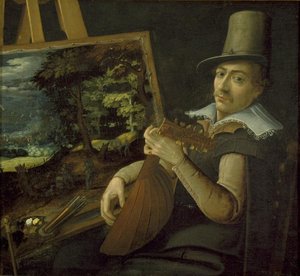
Paulus Bril
1554 - 1626 , Belgium
Quick Facts
- Artistic Movement Or Style: Italianate landscapes, Mannerism
- Artists Or Movements Influenced By This Artist: ['Claude Lorrain']
- Date Of Birth: 1554
- Date Of Death: 1626
- Full Name: Paulus Bril / Paul Brill
- Nationality: Flemish
- Notable Artworks:
- View of Bracciano
- Landscape with Erminia
- Place Of Birth (City And Country): Antwerp, Belgium
Related Articles

Cézanne's Masterpieces: 25 Iconic Artworks to Transform Your Space
Journey through 25 iconic artworks by Paul Cézanne – a master of Impressionism and Post-Impressionism. Explore his landscapes, still lifes, and the stories behind these timeless masterpieces. Discover museum-quality reproductions & curated decor at ArtsDot.com.
Paul Klee's Masterpieces: Explore 25 Iconic Paintings & Prints | ArtsDot
Journey through Paul Klee's 25 most iconic paintings & prints. Explore his abstract style, Bauhaus influence, and vibrant color palettes. Find museum-quality art reproductions & decor ideas at ArtsDot.com. Discover all masterpieces online.

Beyond the Horizon: 10 Landscape Masterpieces for Your Home Decor
Journey through 10 breathtaking landscape paintings by Monet, Van Gogh & more! Explore iconic artworks, artistic techniques & find inspiration for your home decor. Museum-quality reproductions at ArtsDot.com. Discover all masterpieces on ArtsDot.com

Evocations of Place: A Historical Journey Through Landscape Art
Explore the rich history of landscape art with ArtsDot. Discover renowned artists, movements like Impressionism & Romanticism, and expert guidance for collecting timeless pieces. Find your perfect serene escape today!

Romantic Landscapes: 10 Masterpieces for Your Home | ArtsDot
Journey through 10 Romantic landscape masterpieces by Friedrich, Turner & Cole. Explore emotional art, sublime nature scenes & iconic 19th-century paintings. Find museum-quality reproductions for your home at ArtsDot.com – discover the full collection online!