 Preview
 Send
Send Share
Share
 Details

 Download
 Similars
 X-Ray
X-Ray Diaporama
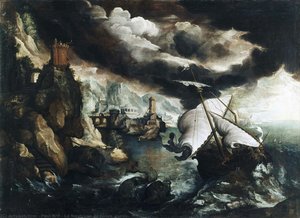
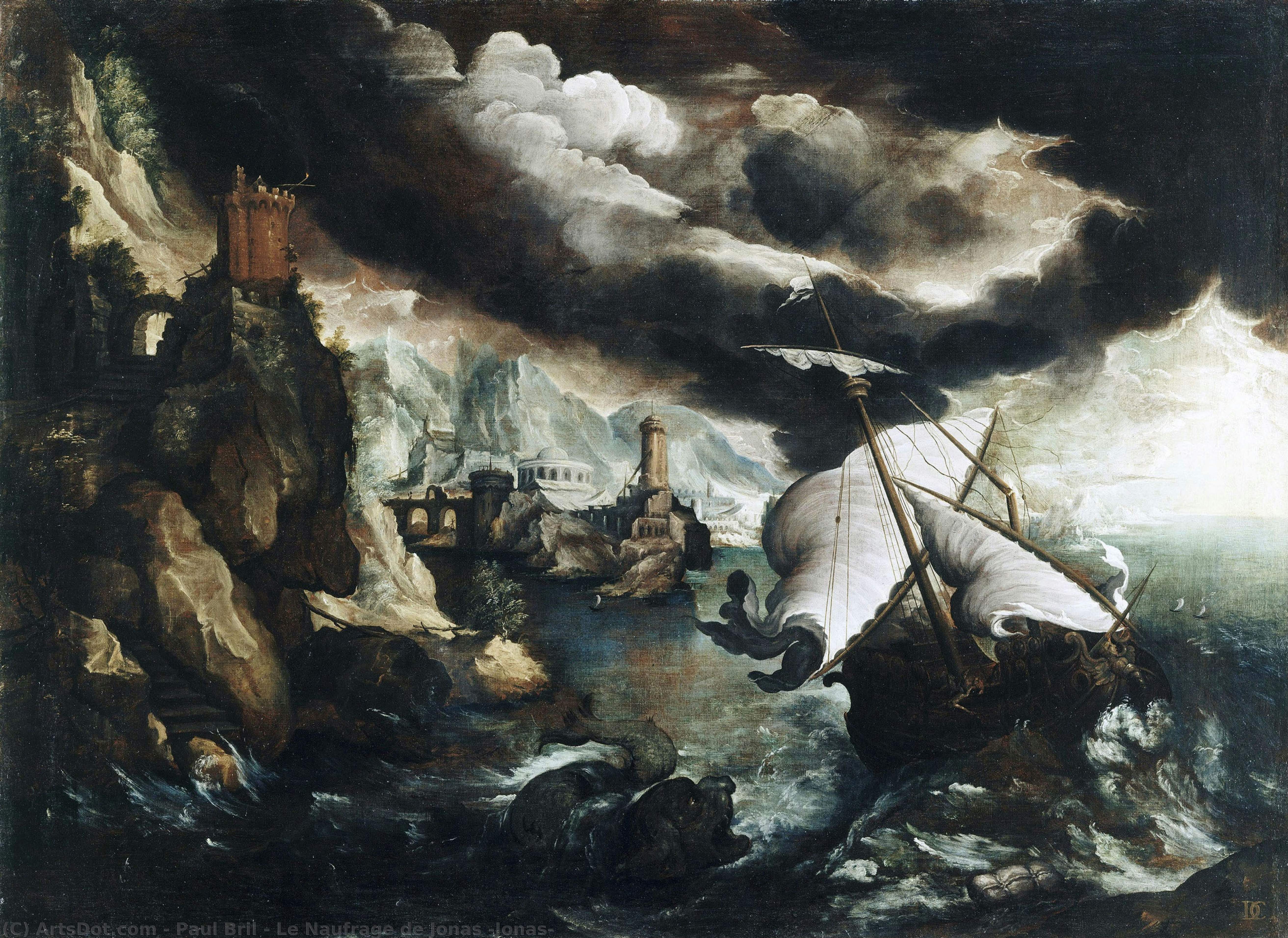
Le Naufrage de Jonas (Jonas
 Oil On Canvas
- WallArt
- Italianate Landscape
 125.0 x 169.0 cm
 Grand Palais
 Read More
Hand Made Oil Reproduction
Hand-painted oil on canvas in your size and frame, made to order by our artists. ( Buy Print Buy Image)




P118B $10

P118H $10

P118W $10

P438Z $10

P508JH $12

P508YH $12

P805H $10

P805Z $10

P919BZ $10

P919G $10

P919XJ $10

P959ZH $10

P968JZ $12

W106C $8

W218G $10

W218JH $8

W218Y $10

W307PJ $10

W316G $10

W316PJ $8

W316Y $10

W398PJ $8

W4111J $10

W500HY $15

W500JH $15

W692G $12

W849H $8

W940BG $15

W953PJ $8




Pick from our preset sizes that match the artwork's original proportions.

You may enter your own dimensions to fit a specific frame or space. If your selected size does not match the original image's proportions, we will either crop the artwork or extend the painting with additional hand-painted elements. A digital mockup will be sent for your approval before production begins.
Please note that the on-screen preview does not reflect the actual cropping or extension. Only the mockup will accurately show the final composition.
While custom sizes are available, we recommend selecting a dimension from the predefined list to preserve the original proportions.
After order, ArtsDot.com team will email client for instructions and provide a mockup preview
Worldwide Delivery () in 3/4 weeks instead of standard 5 weeks. (16 August). No compromise on quality.

Free Worldwide Express Shipping

High-Quality Linen Canvas

Full Shipping Insurance

Customs Tax Refund Guarantee

True Color Matching Guarantee

60-Day Return Policy (Defects Only)

100% Money-Back Guarantee

Bulk Discount Offer
 Glass option is only available in size under 110 CM

Le Naufrage de Jonas (Jonas
Reproduction Medium
Reproduction Size
-


Total Price
$ 263
Artwork Description
A Tempestuous Testament: Paulus Bril’s “Le Naufrage de Jonas”
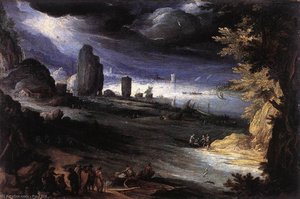
Paulus Bril's "Le Naufrage de Jonas," painted circa 1600, is more than just a depiction of a biblical drama; it’s a masterful exploration of human vulnerability against the overwhelming power of nature. Emerging from the vibrant artistic milieu of Rome, Bril skillfully fused Flemish realism with the burgeoning Italianate landscape style, creating an image that resonates with both dramatic intensity and profound emotional depth. The painting captures a pivotal moment in the Book of Jonah – the prophet’s ordeal aboard a ship tossed mercilessly by a violent storm – transforming a tale of divine retribution into a compelling meditation on fate, faith, and the precariousness of human existence.A Landscape Forged in Light and Shadow
Bril's technique is immediately striking. He employs a sophisticated understanding of aerial perspective, creating an illusion of vast distance and atmospheric depth. The tumultuous sea dominates the composition, rendered with swirling blues and greens that convey both the terrifying power of the storm and its mesmerizing beauty. Notice how the light, initially harsh and blinding, gradually softens as it descends upon the ravaged ship, suggesting a transition from chaos to a somber acceptance. The artist’s meticulous attention to detail is evident in every element – the broken mast, the scattered cargo, the desperate figures clinging to wreckage – each contributing to the overall sense of devastation. The use of impasto, particularly in depicting the waves and foam, adds texture and dynamism to the scene, further intensifying its dramatic impact.Symbolism Woven into a Biblical Narrative
Beyond its immediate visual appeal, “Le Naufrage de Jonas” is rich with symbolic meaning. The storm itself represents divine judgment, a consequence of Jonah’s betrayal of God and his abandonment of the Ninevites. The sea, traditionally associated with chaos and uncertainty, mirrors the prophet's own internal turmoil. The monstrous fish, a recurring motif in biblical art, symbolizes purification and rebirth – a necessary ordeal for Jonah to achieve repentance. Even the smaller boat glimpsed on the horizon hints at salvation, offering a glimmer of hope amidst the overwhelming despair. The composition deliberately places Jonah, vulnerable and adrift, at the center of the scene, forcing the viewer to confront the fragility of human life in the face of an indifferent universe.An Italianate Vision with Flemish Roots
Bril’s work exemplifies the key characteristics of the Italianate landscape style that was gaining prominence during his time. He moved away from the purely topographical depictions favored by earlier Flemish masters, embracing a more idealized and theatrical approach to scenery. The inclusion of classical ruins – subtly suggested in the distant shoreline – reflects the influence of Renaissance art and the Roman heritage of Rome. However, Bril retains a distinctly Flemish sensibility through his meticulous rendering of detail, his masterful use of light and shadow, and his ability to evoke a powerful emotional response. He skillfully blended these influences, creating a unique artistic voice that resonated deeply with both Italian and Northern European audiences.A Timeless Image of Human Condition
“Le Naufrage de Jonas” endures not merely as a historical painting but as a poignant reflection on the human condition. It speaks to our shared vulnerability, our capacity for both destruction and redemption, and our enduring struggle to find meaning in a world often characterized by chaos and uncertainty. Reproductions of this powerful image offer an opportunity to bring this timeless narrative into any space, inviting contemplation and sparking dialogue about themes of faith, morality, and the relationship between humanity and nature. Its dramatic composition and evocative atmosphere make it a compelling addition to any art collection or interior design scheme, serving as a constant reminder of the enduring power of storytelling and artistic expression.Related Artworks

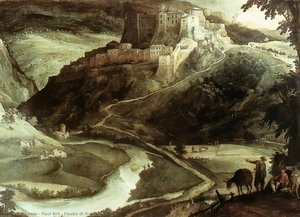
Artist Biography
Paulus Bril (Paul Brill): A Master of Italianate Landscape
Paulus Bril, also known as Paul Brill (1554-1626), was a highly influential Flemish painter and printmaker celebrated for his pioneering role in developing the Italianate landscape genre. Born in Antwerp, Belgium, he spent the majority of his career in Rome, where his work significantly impacted both Italian and Northern European landscape painting. His artistic legacy lies in his ability to capture the beauty and grandeur of the Italian countryside while incorporating classical motifs and a distinctive atmospheric perspective.
Early Life and Artistic Development
- Birth and Family: Paulus Bril was born in Antwerp, though some sources suggest Breda as a possible birthplace. He hailed from an artistic family; his father was both a painter and an art dealer, providing young Paulus with early exposure to the art world.
- Early Training & Influences: His initial training likely occurred within his family circle, absorbing the traditions of Flemish landscape painting. This foundation emphasized atmospheric effects – the use of light, color, and aerial perspective to create a sense of depth and mood. Early works reflect this influence, showcasing meticulous detail and a focus on realistic representation.
- Move to Rome: A pivotal moment in Bril's career was his relocation to Rome. This move exposed him directly to the landscapes of Italy and allowed him to develop his signature style – the Italianate landscape.
The Italianate Landscape and Artistic Innovations
- Defining Characteristics: Bril’s Italianate landscapes are characterized by their depiction of idealized views of the Italian countryside, often featuring classical ruins (temples, arches, columns), picturesque waterways, lush vegetation, and idyllic pastoral scenes.
- Classical Motifs & Composition: He skillfully integrated classical architectural elements into his compositions, creating a harmonious blend of nature and antiquity. His landscapes are not merely depictions of scenery; they evoke a sense of history, grandeur, and timeless beauty.
- Light and Atmosphere: Bril’s masterful use of light and color is crucial to the appeal of his work. He employed warm tones and subtle gradations to create a luminous atmosphere that draws the viewer into the scene. His understanding of aerial perspective – how objects appear fainter and bluer with distance – adds depth and realism to his landscapes.
- Influence on Contemporaries: Bril's style had a profound impact on other artists, most notably Claude Lorrain, who greatly admired and emulated Bril’s approach to landscape painting. He also influenced Willem van Nieulandt, as evidenced by their shared interest in depicting Italianate ruins.
Major Achievements and Historical Significance
- Revolutionizing Landscape Painting: Paulus Bril is considered a key figure in the development of the Italianate landscape genre, establishing a new standard for landscape painting both in Italy and Northern Europe.
- Popularity & Patronage: His works were highly sought after during his lifetime, demonstrating his popularity among collectors and patrons.
- Legacy: Bril’s emphasis on classical motifs, atmospheric perspective, and the idealized depiction of nature influenced generations of landscape painters who followed in his footsteps. He helped to elevate landscape painting from a secondary genre to one of considerable artistic merit.
Collections and Further Exploration
Works by Paulus Bril can be found in prestigious museums and collections across Europe. Notable holdings include:
- Groeninge Museum, Bruges, Belgium
- Rockox House, Antwerp, Belgium
To further explore his art, consider visiting the Paulus Bril artist page and related artworks on ArtsDot.com.
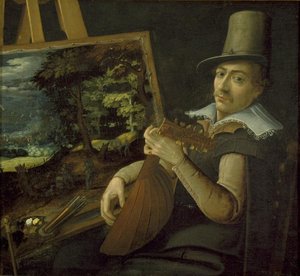
Paulus Bril
1554 - 1626 , Belgium
Quick Facts
- Artistic Movement Or Style: Italianate landscapes, Mannerism
- Artists Or Movements Influenced By This Artist: ['Claude Lorrain']
- Date Of Birth: 1554
- Date Of Death: 1626
- Full Name: Paulus Bril / Paul Brill
- Nationality: Flemish
- Notable Artworks:
- View of Bracciano
- Landscape with Erminia
- Place Of Birth (City And Country): Antwerp, Belgium
Related Articles

Demandes Commerciales
APS ofrece reproducciones de bellas artes y encargos personalizados desde 2004. Confían en nosotros corporaciones, hoteles y coleccionistas selectos para obras de arte de calidad museística, servicio discreto y soluciones artísticas completas. ¡Póngase en contacto con nosotros para obtener un presupuesto personalizado!

Goya's Masterpieces: Explore 25 Iconic Paintings & Art Prints | ArtsDot
Delve into the world of Francisco Goya with ArtsDot. Explore 25 iconic paintings – from 'The Third of May' to his haunting Black Paintings. Discover the stories, techniques & emotions behind these Spanish masterpieces. Find museum-quality art reproductions for your home at ArtsDot.com!

A riguardo di noi
Découvrez notre histoire ! Nous apportons l'art de classe mondiale dans votre vie grâce à une sélection experte, des créations personnalisées et des aperçus gratuits. Approuvé par les particuliers et les entreprises depuis 2000.
Pierre Puvis de Chavannes: Symbolism, Mural Painting, and the Pursuit of Ideal Beauty
Explore the life & work of Pierre Puvis de Chavannes, a pivotal Symbolist painter renowned for his monumental murals. Discover his aesthetic principles, key artworks like 'Hope,' and lasting influence on modern art. A deep dive into 19th-century French painting.
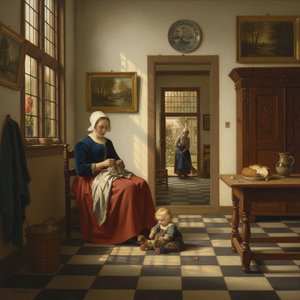
Pieter de Hooch: Illuminating Dutch Domestic Life & Golden Age Charm
Explore the captivating world of Pieter de Hooch, a master of Dutch Golden Age painting. Discover his innovative use of light, intimate domestic scenes, and lasting influence on art history. Learn more at ArtsDot.