 Preview
 Send
Send Share
Share
 Details

 Download
 Similars
 X-Ray
X-Ray Diaporama
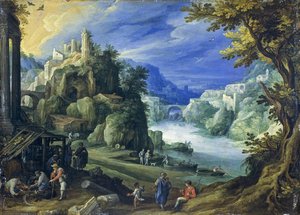
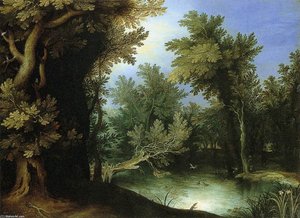
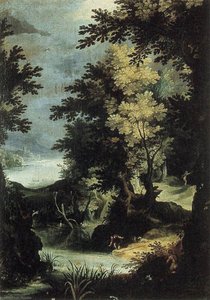
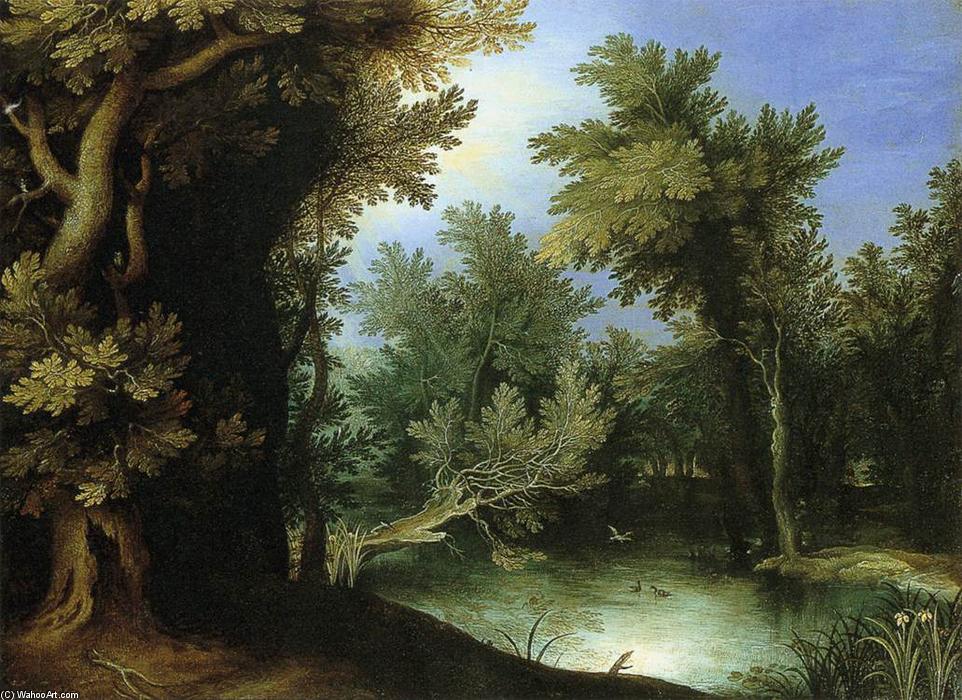
Landscape with a Marsh
 Oil On Canvas
- WallArt
- Italianate Landscape
 1595
1595 26.0 x 35.0 cm
 Pinacoteca Ambrosiana
 Read More
Hand Made Oil Reproduction
Hand-painted oil on canvas in your size and frame, made to order by our artists. ( Buy Print Buy Image)




P118B $10

P118H $10

P118W $10

P438Z $10

P508JH $12

P508YH $12

P805H $10

P805Z $10

P919BZ $10

P919G $10

P919XJ $10

P959ZH $10

P968JZ $12

W106C $8

W218G $10

W218JH $8

W218Y $10

W307PJ $10

W316G $10

W316PJ $8

W316Y $10

W398PJ $8

W4111J $10

W500HY $15

W500JH $15

W692G $12

W849H $8

W940BG $15

W953PJ $8




Pick from our preset sizes that match the artwork's original proportions.

You may enter your own dimensions to fit a specific frame or space. If your selected size does not match the original image's proportions, we will either crop the artwork or extend the painting with additional hand-painted elements. A digital mockup will be sent for your approval before production begins.
Please note that the on-screen preview does not reflect the actual cropping or extension. Only the mockup will accurately show the final composition.
While custom sizes are available, we recommend selecting a dimension from the predefined list to preserve the original proportions.
After order, ArtsDot.com team will email client for instructions and provide a mockup preview
Worldwide Delivery () in 3/4 weeks instead of standard 5 weeks. (16 August). No compromise on quality.

Free Worldwide Express Shipping

High-Quality Linen Canvas

Full Shipping Insurance

Customs Tax Refund Guarantee

True Color Matching Guarantee

60-Day Return Policy (Defects Only)

100% Money-Back Guarantee

Bulk Discount Offer
 Glass option is only available in size under 110 CM

Landscape with a Marsh
Reproduction Medium
Reproduction Size
-


Total Price
$ 263
Artwork Description
Landscape with a Marsh – A Baroque Masterpiece by Paul Bril
Paul Bril’s “Landscape with a Marsh,” painted in 1595, stands as a cornerstone of Italianate landscape painting and embodies the artistic spirit of the Baroque era. Housed within the Pinacoteca Ambrosiana in Milan, Italy, this artwork transcends mere depiction; it's an immersive experience into a meticulously crafted vision of nature infused with classical ideals.Style and Technique: Embracing Atmospheric Perspective
Bril’s stylistic approach firmly anchors itself in the Italian Renaissance tradition, adapting its principles to Northern European sensibilities. The painting showcases a masterful command of oil on copper—a technique favored by Bril for its ability to achieve exceptional luminosity and tonal subtlety. Unlike earlier Flemish landscapes that prioritized detailed realism, Bril deliberately employed atmospheric perspective – a crucial innovation championed by artists like Leonardo da Vinci – to convey depth and grandeur. Distant mountains are rendered in muted blues and greys, gradually fading into the hazy horizon, while closer trees retain richer colors and sharper contours. This technique wasn’t simply about accuracy; it served as a powerful tool for evoking emotion and transporting viewers into the serene beauty of the Italian countryside.Historical Context: The Rise of Idealized Nature
The painting emerged during a period marked by significant intellectual and artistic upheaval—the High Renaissance was giving way to Baroque dynamism. Artists like Bril sought inspiration from classical antiquity, reimagining landscapes as idealized representations of paradise. The marshy foreground is populated with birds – symbols of peace and fertility – carefully positioned amidst towering trees that echo monumental sculptures found in Roman gardens. This deliberate juxtaposition reflects the broader humanist preoccupation with harmony between humanity and nature, a theme prevalent throughout Baroque art.Composition and Symbolism: A Symphony of Light and Texture
The composition itself is deliberately balanced, guiding the viewer’s eye across the expansive vista. Bril skillfully utilizes light and shadow to sculpt the landscape, creating dramatic contrasts that heighten its visual impact. The artist's meticulous attention to texture—from the rough bark of ancient oaks to the delicate plumage of waterfowl—further enhances the painting’s realism while simultaneously conveying a sense of palpable presence. Beyond mere observation, “Landscape with a Marsh” invites contemplation on themes of renewal and cyclical beauty – mirroring the natural rhythms of springtime and summer.Emotional Impact: Capturing Tranquility and Wonder
Ultimately, Bril's masterpiece succeeds in capturing a profound emotional resonance. The painting evokes feelings of serenity, awe, and admiration for the sublime grandeur of the natural world. It’s a testament to Bril’s ability to transform observation into artistic expression—a skill that continues to inspire artists and collectors alike. Viewing “Landscape with a Marsh” is akin to stepping back in time, encountering the aesthetic ideals of a bygone era and experiencing firsthand the enduring power of art to elevate our understanding of beauty and nature.- Artist: Paulus Bril
- Year: 1595
- Medium: Oil on Copper
- Location: Pinacoteca Ambrosiana, Milan, Italy
Related Artworks
Artist Biography
Paulus Bril (Paul Brill): A Master of Italianate Landscape
Paulus Bril, also known as Paul Brill (1554-1626), was a highly influential Flemish painter and printmaker celebrated for his pioneering role in developing the Italianate landscape genre. Born in Antwerp, Belgium, he spent the majority of his career in Rome, where his work significantly impacted both Italian and Northern European landscape painting. His artistic legacy lies in his ability to capture the beauty and grandeur of the Italian countryside while incorporating classical motifs and a distinctive atmospheric perspective.
Early Life and Artistic Development
- Birth and Family: Paulus Bril was born in Antwerp, though some sources suggest Breda as a possible birthplace. He hailed from an artistic family; his father was both a painter and an art dealer, providing young Paulus with early exposure to the art world.
- Early Training & Influences: His initial training likely occurred within his family circle, absorbing the traditions of Flemish landscape painting. This foundation emphasized atmospheric effects – the use of light, color, and aerial perspective to create a sense of depth and mood. Early works reflect this influence, showcasing meticulous detail and a focus on realistic representation.
- Move to Rome: A pivotal moment in Bril's career was his relocation to Rome. This move exposed him directly to the landscapes of Italy and allowed him to develop his signature style – the Italianate landscape.
The Italianate Landscape and Artistic Innovations
- Defining Characteristics: Bril’s Italianate landscapes are characterized by their depiction of idealized views of the Italian countryside, often featuring classical ruins (temples, arches, columns), picturesque waterways, lush vegetation, and idyllic pastoral scenes.
- Classical Motifs & Composition: He skillfully integrated classical architectural elements into his compositions, creating a harmonious blend of nature and antiquity. His landscapes are not merely depictions of scenery; they evoke a sense of history, grandeur, and timeless beauty.
- Light and Atmosphere: Bril’s masterful use of light and color is crucial to the appeal of his work. He employed warm tones and subtle gradations to create a luminous atmosphere that draws the viewer into the scene. His understanding of aerial perspective – how objects appear fainter and bluer with distance – adds depth and realism to his landscapes.
- Influence on Contemporaries: Bril's style had a profound impact on other artists, most notably Claude Lorrain, who greatly admired and emulated Bril’s approach to landscape painting. He also influenced Willem van Nieulandt, as evidenced by their shared interest in depicting Italianate ruins.
Major Achievements and Historical Significance
- Revolutionizing Landscape Painting: Paulus Bril is considered a key figure in the development of the Italianate landscape genre, establishing a new standard for landscape painting both in Italy and Northern Europe.
- Popularity & Patronage: His works were highly sought after during his lifetime, demonstrating his popularity among collectors and patrons.
- Legacy: Bril’s emphasis on classical motifs, atmospheric perspective, and the idealized depiction of nature influenced generations of landscape painters who followed in his footsteps. He helped to elevate landscape painting from a secondary genre to one of considerable artistic merit.
Collections and Further Exploration
Works by Paulus Bril can be found in prestigious museums and collections across Europe. Notable holdings include:
- Groeninge Museum, Bruges, Belgium
- Rockox House, Antwerp, Belgium
To further explore his art, consider visiting the Paulus Bril artist page and related artworks on ArtsDot.com.
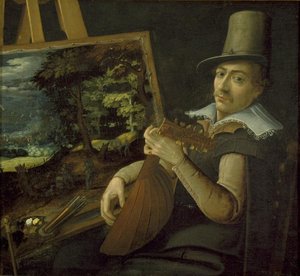
Paulus Bril
1554 - 1626 , Belgium
Quick Facts
- Artistic Movement Or Style: Italianate landscapes, Mannerism
- Artists Or Movements Influenced By This Artist: ['Claude Lorrain']
- Date Of Birth: 1554
- Date Of Death: 1626
- Full Name: Paulus Bril / Paul Brill
- Nationality: Flemish
- Notable Artworks:
- View of Bracciano
- Landscape with Erminia
- Place Of Birth (City And Country): Antwerp, Belgium
Related Articles

Cézanne's Masterpieces: 25 Iconic Artworks to Transform Your Space
Journey through 25 iconic artworks by Paul Cézanne – a master of Impressionism and Post-Impressionism. Explore his landscapes, still lifes, and the stories behind these timeless masterpieces. Discover museum-quality reproductions & curated decor at ArtsDot.com.
Paul Klee's Masterpieces: Explore 25 Iconic Paintings & Prints | ArtsDot
Journey through Paul Klee's 25 most iconic paintings & prints. Explore his abstract style, Bauhaus influence, and vibrant color palettes. Find museum-quality art reproductions & decor ideas at ArtsDot.com. Discover all masterpieces online.
Cornelis van Poelenburch: Bridging Mannerism & the Dutch Baroque Landscape
Discover Cornelis van Poelenburch, a pivotal Dutch Baroque landscape painter bridging Mannerism & Italianate styles. Explore his life, key works, and lasting influence on 17th-century art with ArtsDot.

Beyond the Horizon: 10 Landscape Masterpieces for Your Home Decor
Journey through 10 breathtaking landscape paintings by Monet, Van Gogh & more! Explore iconic artworks, artistic techniques & find inspiration for your home decor. Museum-quality reproductions at ArtsDot.com. Discover all masterpieces on ArtsDot.com

Dutch Baroque Masters: 10 Paintings That Shaped an Era | ArtsDot
Journey through the Golden Age with our guide to the Top 10 Dutch Baroque masterpieces! Explore iconic paintings by Rembrandt, Vermeer & Frans Hals. Find museum-quality art reproductions and elevate your home decor at ArtsDot.com.