 Preview
 Send
Send Share
Share
 Details

 Download
 Similars
 X-Ray
X-Ray Diaporama
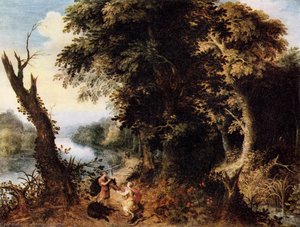
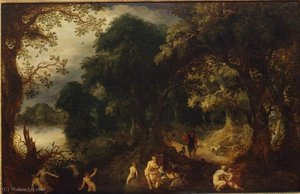
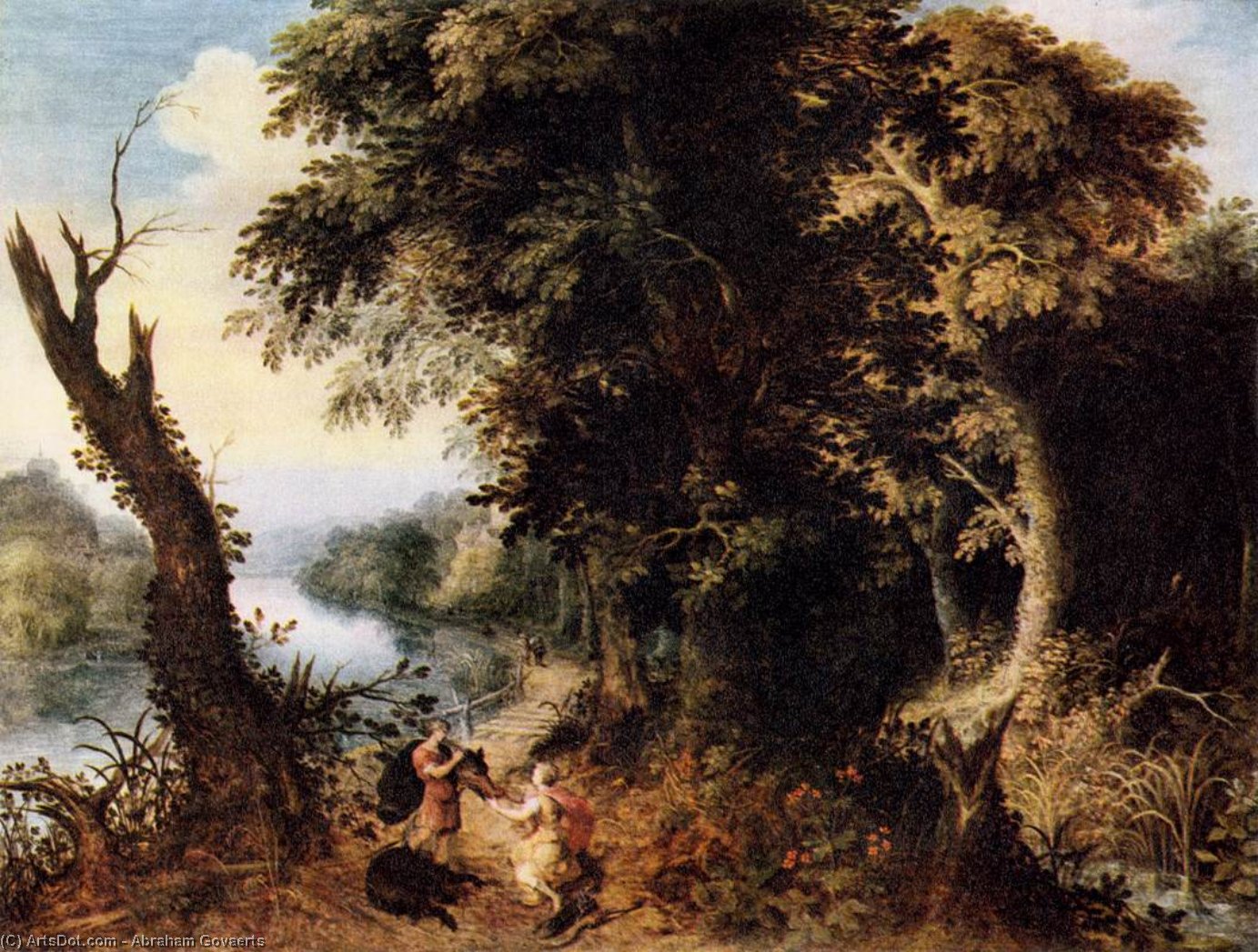
Landscape with Diana Receiving the Head of a Boar
 Acrylic On Canvas
- WallArt
- Baroque Landscape
 49.0 x 64.0 cm
 Národní Galerie
 Read More
Hand Made Oil Reproduction
Hand-painted oil on canvas in your size and frame, made to order by our artists. ( Buy Print Buy Image)




P118B $10

P118H $10

P118W $10

P438Z $10

P508JH $12

P508YH $12

P805H $10

P805Z $10

P919BZ $10

P919G $10

P919XJ $10

P959ZH $10

P968JZ $12

W106C $8

W218G $10

W218JH $8

W218Y $10

W307PJ $10

W316G $10

W316PJ $8

W316Y $10

W398PJ $8

W4111J $10

W500HY $15

W500JH $15

W692G $12

W849H $8

W940BG $15

W953PJ $8




Pick from our preset sizes that match the artwork's original proportions.

You may enter your own dimensions to fit a specific frame or space. If your selected size does not match the original image's proportions, we will either crop the artwork or extend the painting with additional hand-painted elements. A digital mockup will be sent for your approval before production begins.
Please note that the on-screen preview does not reflect the actual cropping or extension. Only the mockup will accurately show the final composition.
While custom sizes are available, we recommend selecting a dimension from the predefined list to preserve the original proportions.
After order, ArtsDot.com team will email client for instructions and provide a mockup preview
Worldwide Delivery () in 3/4 weeks instead of standard 5 weeks. (17 August). No compromise on quality.

Free Worldwide Express Shipping

High-Quality Linen Canvas

Full Shipping Insurance

Customs Tax Refund Guarantee

True Color Matching Guarantee

60-Day Return Policy (Defects Only)

100% Money-Back Guarantee

Bulk Discount Offer
 Glass option is only available in size under 110 CM

Landscape with Diana Receiving the Head of a Boar
Reproduction Medium
Reproduction Size
-


Total Price
$ 263
Artwork Description
A Masterpiece Bridging Mannerism and Baroque: Abraham Govaerts’ “Landscape with Diana Receiving the Head of a Boar”
Abraham Goltzius’s “Landscape with Diana Receiving the Head of a Boar,” painted circa 1623, stands as a remarkable testament to the artistic fervor of Northern Europe during its transition from Mannerism to Baroque. Created by Flemish artist Hendrick Goltzius (c. 1589–1626), this painting exemplifies his masterful command of technique and his profound understanding of classical ideals—a synthesis that distinguishes him from many of his contemporaries.
The artwork depicts Diana, the Roman goddess of hunting and chastity, accepting the head of a boar from Endymion, a shepherd beloved by Zeus. Set against a richly textured woodland backdrop reminiscent of Gillis van Coninxloo’s celebrated landscapes, the scene unfolds with meticulous detail. Goltzius skillfully employs atmospheric perspective—a technique pioneered during this period—to convey depth and realism, layering distant trees and foliage to create an immersive visual experience.
Style and Technique: Mannerist Elegance Revisited
Goltzius’s style leans heavily into Mannerist influences, characterized by stylized figures, elongated proportions, and a deliberate avoidance of naturalism. However, he deftly incorporates Baroque dynamism—particularly evident in the positioning of the deer and the subtle movement conveyed through the brushstrokes—demonstrating his adaptability to evolving artistic sensibilities. The artist's meticulous attention to detail is further underscored by the inclusion of two dogs flanking Diana, adding an element of narrative complexity.
Historical Context: Amsterdam’s Artistic Renaissance
Painted in Amsterdam during a period of burgeoning artistic innovation—a time when artists like Rubens and Frans Francken II were reshaping European art—Goltzius's work reflects the broader cultural landscape of the era. The city served as a hub for artistic patronage and experimentation, fostering a climate conducive to groundbreaking achievements.
Symbolism: Mythological Narrative and Moral Reflection
Beyond its aesthetic beauty, “Landscape with Diana Receiving the Head of a Boar” carries significant symbolic weight. The myth of Diana and Endymion explores themes of desire, immortality, and divine intervention—concepts central to Baroque art’s preoccupation with spiritual contemplation. Goltzius's depiction underscores the importance of virtue and restraint amidst worldly temptations.
Emotional Impact: Serenity Amidst Complexity
Despite its intricate composition and stylized figures, the painting exudes a palpable sense of serenity. The muted palette—dominated by earthy greens and browns—creates an atmosphere of contemplative stillness, inviting viewers to immerse themselves in the grandeur of the natural world and contemplate the timeless narratives embedded within its imagery.
Related Artworks
Artist Biography
Hendrick Goltzius: A Master of Mannerism and Early Baroque
Hendrik Goltzius, born in 1589 and tragically deceased in 1626, stands as a pivotal figure bridging the late Mannerist and burgeoning Baroque periods in Northern European art. While his life was cut short, his artistic legacy—particularly evident in his engravings and paintings—demonstrates a remarkable command of technique, a deep understanding of classical forms, and an ability to imbue his subjects with both dignified restraint and dynamic energy. His work, largely centered around the city of Amsterdam, reveals a complex interplay of influences, reflecting the diverse artistic currents circulating throughout Europe at the time. Goltzius’s early life remains somewhat shrouded in mystery, though it is believed he was born in Zwolle, Netherlands. He apprenticed under the esteemed painter Domenico Fetti in Rome from approximately 1604 to 1613. This formative period exposed him to the vibrant colors and dramatic compositions characteristic of Italian Baroque painting, particularly those influenced by Caravaggio. However, Goltzius’s artistic journey didn't end there; he subsequently spent time working under Andrea Commodi in Rome before returning to Amsterdam around 1613. It was here that he established himself as a prominent artist and printmaker, quickly gaining recognition for his meticulous engravings.The Influence of Fetti and the Rise of Engraving
Goltzius’s relationship with Domenico Fetti proved profoundly influential. While Fetti specialized in dramatic narrative scenes—often depicting biblical stories—Goltzius adopted a more restrained, classical approach, prioritizing clarity of form and elegant composition. Fetti's emphasis on theatrical lighting and dynamic poses undoubtedly shaped Goltzius’s style, particularly in his engravings. However, unlike Fetti who primarily worked with oil paint, Goltzius mastered the art of engraving, achieving an unprecedented level of detail and precision. His prints were not merely reproductions of paintings; they possessed a distinct artistic merit, showcasing his exceptional skill in line work and tonal gradation. He became one of the foremost engravers of his era, producing numerous plates for publishers across Europe, including prestigious houses like Theodor de Bry.Key Works and Artistic Characteristics
Goltzius’s oeuvre encompasses a wide range of subjects, from mythological scenes and portraits to allegorical compositions and depictions of historical events. His engravings are characterized by their remarkable clarity, balanced composition, and meticulous attention to detail. He frequently drew inspiration from classical antiquity, meticulously recreating the forms and gestures of Greek and Roman sculptures in his prints. His figures possess a dignified poise and restrained emotion, reflecting the influence of Mannerism while simultaneously anticipating the more dynamic qualities of the Baroque. Notable works include *The Great Hercules*, a monumental engraving showcasing his mastery of anatomical accuracy and dramatic foreshortening; *Apollo and Daphne*, a captivating depiction of the mythic encounter; and numerous portraits that reveal an astute understanding of human character.A Transitional Figure: Mannerism Meets Baroque
Goltzius’s art occupies a fascinating transitional space between Mannerism and the early Baroque. He retained many of the stylistic features associated with Mannerism—such as elongated figures, complex compositions, and an emphasis on elegance—while simultaneously incorporating elements of Baroque dynamism and naturalism. His work demonstrates a sensitivity to light and shadow, foreshadowing the dramatic chiaroscuro techniques that would become hallmarks of later Baroque painting. He was influenced by artists like Rubens, whose rich color palettes and dynamic compositions resonated with Goltzius’s artistic sensibilities.Legacy and Historical Significance
Despite his untimely death in 1626 at the age of thirty-seven, Hendrick Goltzius left an indelible mark on the history of Northern European art. His engravings were widely disseminated throughout Europe, influencing generations of artists and printmakers. His meticulous technique and classical sensibility helped to establish engraving as a respected fine art form. Furthermore, his work served as a crucial link between the Mannerist tradition and the emerging Baroque style, demonstrating the complex and interconnected nature of artistic development during this pivotal period. Goltzius’s legacy continues to be celebrated today, with his prints remaining highly sought after by collectors and scholars alike, offering a captivating glimpse into the artistic world of 17th-century Amsterdam.
abraham govaerts
1589 - 1626 , Belgium
Quick Facts
- Artistic Movement Or Style: Baroque
- Artists Or Movements Influenced By This Artist:
- Leonaert Bramer
- Rubens
- Artists Who Influenced This Artist:
- Ludovico Cigoli
- Andrea Commodi
- Date Of Birth: c. 1589
- Date Of Death: 16 April 1623
- Full Name: Domenico Fetti
- Nationality: Italian
- Notable Artworks: ['Miracle of the Loaves and Fishes']
- Place Of Birth: Rome, Italy
Related Articles

Beyond the Horizon: 10 Landscape Masterpieces for Your Home Decor
Journey through 10 breathtaking landscape paintings by Monet, Van Gogh & more! Explore iconic artworks, artistic techniques & find inspiration for your home decor. Museum-quality reproductions at ArtsDot.com. Discover all masterpieces on ArtsDot.com

Romantic Landscapes: 10 Masterpieces for Your Home | ArtsDot
Journey through 10 Romantic landscape masterpieces by Friedrich, Turner & Cole. Explore emotional art, sublime nature scenes & iconic 19th-century paintings. Find museum-quality reproductions for your home at ArtsDot.com – discover the full collection online!

Evocations of Place: A Historical Journey Through Landscape Art
Explore the rich history of landscape art with ArtsDot. Discover renowned artists, movements like Impressionism & Romanticism, and expert guidance for collecting timeless pieces. Find your perfect serene escape today!

John Constable's Masterpieces: Explore 25 Iconic Landscapes for Your Home
Journey through John Constable's 25 most celebrated landscapes. Explore Romanticism, Dedham Vale & his masterful use of light in iconic paintings like 'Hay Wain'. Find museum-quality art reproductions and elevate your home decor on ArtsDot.com.

Evocations of Place: A Historical Journey Through Landscape Art
Explore the rich history of landscape art with ArtsDot. Discover renowned artists, movements like Impressionism & tonalism, and expert guidance for collecting timeless pieces. Find your perfect serene escape today!