 Preview
 Send
Send Share
Share
 Details

 Download
 Similars
 X-Ray
X-Ray Diaporama
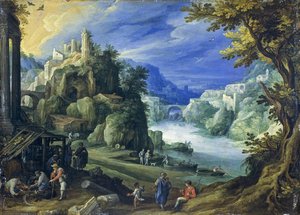
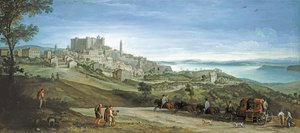
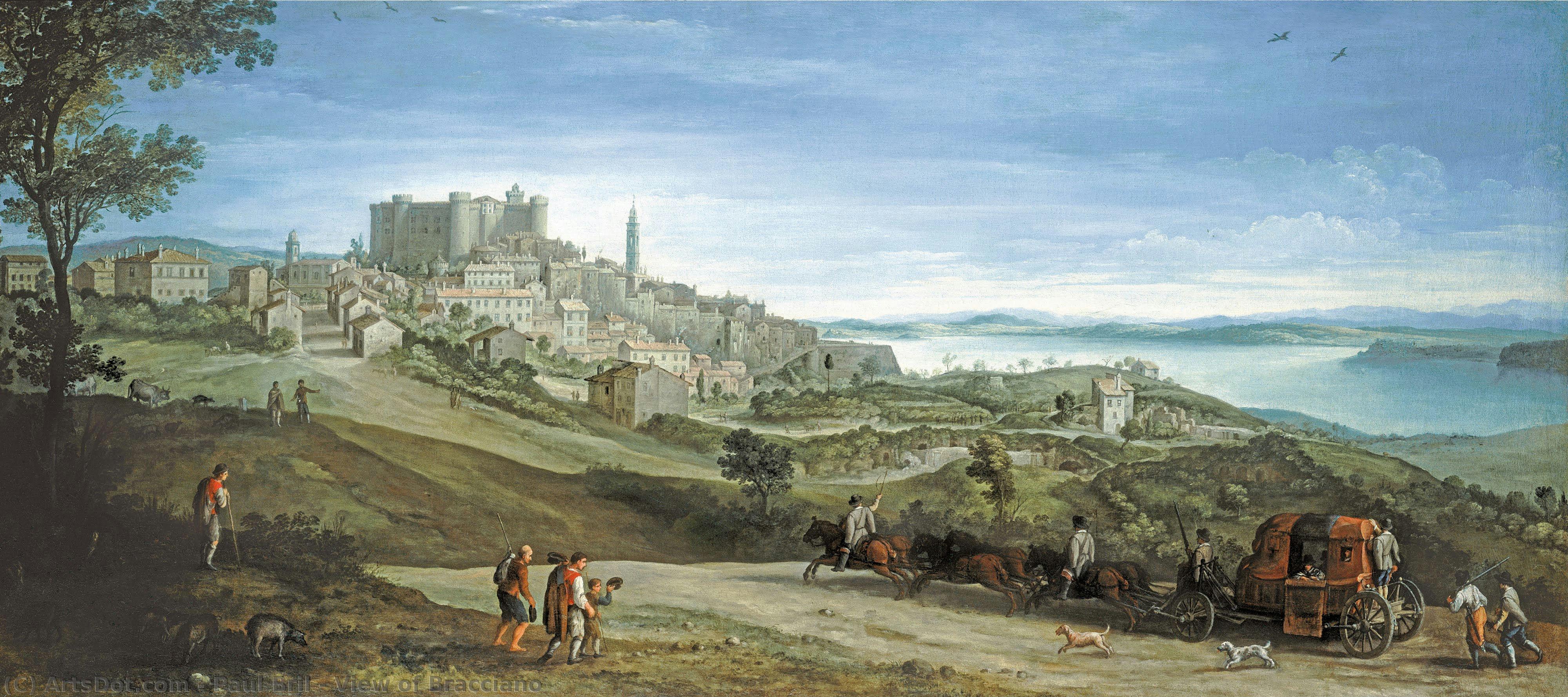
View of Bracciano
 Oil
Oil- WallArt
- Baroque
 1620
1620- Early Modern
 163.0 x 74.0 cm
 Art Gallery of South Australia
 Read More
Hand Made Oil Reproduction
Hand-painted oil on canvas in your size and frame, made to order by our artists. ( Buy Print Buy Image)




P118B $10

P118H $10

P118W $10

P438Z $10

P508JH $12

P508YH $12

P805H $10

P805Z $10

P919BZ $10

P919G $10

P919XJ $10

P959ZH $10

P968JZ $12

W106C $8

W218G $10

W218JH $8

W218Y $10

W307PJ $10

W316G $10

W316PJ $8

W316Y $10

W398PJ $8

W4111J $10

W500HY $15

W500JH $15

W692G $12

W849H $8

W940BG $15

W953PJ $8




Pick from our preset sizes that match the artwork's original proportions.

You may enter your own dimensions to fit a specific frame or space. If your selected size does not match the original image's proportions, we will either crop the artwork or extend the painting with additional hand-painted elements. A digital mockup will be sent for your approval before production begins.
Please note that the on-screen preview does not reflect the actual cropping or extension. Only the mockup will accurately show the final composition.
While custom sizes are available, we recommend selecting a dimension from the predefined list to preserve the original proportions.
After order, ArtsDot.com team will email client for instructions and provide a mockup preview
Worldwide Delivery () in 3/4 weeks instead of standard 5 weeks. (17 August). No compromise on quality.

Free Worldwide Express Shipping

High-Quality Linen Canvas

Full Shipping Insurance

Customs Tax Refund Guarantee

True Color Matching Guarantee

60-Day Return Policy (Defects Only)

100% Money-Back Guarantee

Bulk Discount Offer
 Glass option is only available in size under 110 CM

View of Bracciano
Reproduction Medium
Reproduction Size
-


Total Price
$ 263
Artwork Description
A Window into the Italianate Ideal
In the sweeping expanse of Paulus Bril’s View of Bracciano, we are invited to step through a portal into a lost era of pastoral tranquility. Painted around 1620, this masterpiece serves as a breathtaking testament to the Italianate landscape tradition, a genre that sought to marry the meticulous detail of Northern European training with the sun-drenched grandeur of the Roman countryside. The composition unfolds like a panoramic stage, where the rugged hillsides meet the shimmering stillness of the water, creating a sense of infinite depth that draws the viewer’s eye toward the horizon. It is not merely a depiction of a place, but an invitation to inhabit a dream of eternal summer.
The scene is alive with a rhythmic, gentle energy. As your gaze wanders across the canvas, you encounter a tapestry of life: travelers navigating winding paths, horses and cattle grazing peacefully in the meadows, and the slow movement of wagons and carriages near the water's edge. These small, anecdotal details—the figures engaged in quiet commerce or rest—provide a human scale to the vast landscape, grounding the epic scenery in the relatable pulse of daily existence. For the collector, this interplay between the monumental and the minute offers a profound sense of narrative richness, making every viewing a new discovery.
Mastery of Light and Atmospheric Perspective
Bril’s technical prowess is most evident in his sophisticated use of atmospheric perspective, a technique that allows him to sculpt space using only color and light. The foreground is rendered with a certain tactile clarity, where the textures of the earth and the forms of the animals feel immediate and present. However, as the eye moves toward the distant town perched upon the hillside, the colors undergo a subtle, magical transformation. Hues soften, and the sharp edges of the architecture dissolve into a delicate, hazy blue, mimicking the way moisture in the air scatables light over great distances.
This mastery of light creates an emotional resonance that is both soothing and awe-inspiring. The painting does not rely on dramatic, stormy contrasts; instead, it embraces a luminous, even glow that suggests the warmth of a Mediterranean afternoon. For interior designers, this quality makes the work an exceptional centerpiece for any room. Its ability to expand the perceived boundaries of a space through its deep perspective allows it to breathe life into more intimate settings, providing a sense of openness and serenity that can transform the atmosphere of a sophisticated study or a grand living hall.
A Legacy of Elegance and Timelessness
To possess a reproduction of View of Bracciano is to hold a piece of art history that bridges the gap between the Flemish tradition and the Italian Renaissance. Paulus Bril was a pioneer, an artist who helped define how Europe would perceive the beauty of the landscape for centuries to come. His work carries an inherent nobility, evoking the classical motifs and the romanticized vistas that have long been the hallmark of refined taste.
Whether viewed as a historical document of the 17th-century Italian landscape or as a purely aesthetic triumph of color and composition, this painting remains eternally relevant. It offers more than just decoration; it offers an escape. For those seeking to curate a collection that speaks of heritage, tranquility, and the enduring beauty of the natural world, Bril’s vision provides an incomparable foundation of elegance.
Related Artworks
Artist Biography
Paulus Bril (Paul Brill): A Master of Italianate Landscape
Paulus Bril, also known as Paul Brill (1554-1626), was a highly influential Flemish painter and printmaker celebrated for his pioneering role in developing the Italianate landscape genre. Born in Antwerp, Belgium, he spent the majority of his career in Rome, where his work significantly impacted both Italian and Northern European landscape painting. His artistic legacy lies in his ability to capture the beauty and grandeur of the Italian countryside while incorporating classical motifs and a distinctive atmospheric perspective.
Early Life and Artistic Development
- Birth and Family: Paulus Bril was born in Antwerp, though some sources suggest Breda as a possible birthplace. He hailed from an artistic family; his father was both a painter and an art dealer, providing young Paulus with early exposure to the art world.
- Early Training & Influences: His initial training likely occurred within his family circle, absorbing the traditions of Flemish landscape painting. This foundation emphasized atmospheric effects – the use of light, color, and aerial perspective to create a sense of depth and mood. Early works reflect this influence, showcasing meticulous detail and a focus on realistic representation.
- Move to Rome: A pivotal moment in Bril's career was his relocation to Rome. This move exposed him directly to the landscapes of Italy and allowed him to develop his signature style – the Italianate landscape.
The Italianate Landscape and Artistic Innovations
- Defining Characteristics: Bril’s Italianate landscapes are characterized by their depiction of idealized views of the Italian countryside, often featuring classical ruins (temples, arches, columns), picturesque waterways, lush vegetation, and idyllic pastoral scenes.
- Classical Motifs & Composition: He skillfully integrated classical architectural elements into his compositions, creating a harmonious blend of nature and antiquity. His landscapes are not merely depictions of scenery; they evoke a sense of history, grandeur, and timeless beauty.
- Light and Atmosphere: Bril’s masterful use of light and color is crucial to the appeal of his work. He employed warm tones and subtle gradations to create a luminous atmosphere that draws the viewer into the scene. His understanding of aerial perspective – how objects appear fainter and bluer with distance – adds depth and realism to his landscapes.
- Influence on Contemporaries: Bril's style had a profound impact on other artists, most notably Claude Lorrain, who greatly admired and emulated Bril’s approach to landscape painting. He also influenced Willem van Nieulandt, as evidenced by their shared interest in depicting Italianate ruins.
Major Achievements and Historical Significance
- Revolutionizing Landscape Painting: Paulus Bril is considered a key figure in the development of the Italianate landscape genre, establishing a new standard for landscape painting both in Italy and Northern Europe.
- Popularity & Patronage: His works were highly sought after during his lifetime, demonstrating his popularity among collectors and patrons.
- Legacy: Bril’s emphasis on classical motifs, atmospheric perspective, and the idealized depiction of nature influenced generations of landscape painters who followed in his footsteps. He helped to elevate landscape painting from a secondary genre to one of considerable artistic merit.
Collections and Further Exploration
Works by Paulus Bril can be found in prestigious museums and collections across Europe. Notable holdings include:
- Groeninge Museum, Bruges, Belgium
- Rockox House, Antwerp, Belgium
To further explore his art, consider visiting the Paulus Bril artist page and related artworks on ArtsDot.com.
Paulus Bril
1554 - 1626 , Belgium
Quick Facts
- Artistic Movement Or Style: Italianate landscapes, Mannerism
- Artists Or Movements Influenced By This Artist: ['Claude Lorrain']
- Date Of Birth: 1554
- Date Of Death: 1626
- Full Name: Paulus Bril / Paul Brill
- Nationality: Flemish
- Notable Artworks:
- View of Bracciano
- Landscape with Erminia
- Place Of Birth (City And Country): Antwerp, Belgium
Related Articles
Idyllic Visions: Exploring the Pastoral Scene in Art History – From Arcadia to Modern Interpretations
Explore the captivating history of pastoral art from classical Arcadia to modern masterpieces. Discover key artists like Millet & Cole at ArtsDot. Find serene landscape paintings for your home.

Beyond the Horizon: 10 Landscape Masterpieces for Your Home Decor
Journey through 10 breathtaking landscape paintings by Monet, Van Gogh & more! Explore iconic artworks, artistic techniques & find inspiration for your home decor. Museum-quality reproductions at ArtsDot.com. Discover all masterpieces on ArtsDot.com
Idyllic Visions: Exploring the Pastoral Tradition in Western Art – Themes, Techniques & Enduring Appeal
Explore the rich history of pastoral art from classical Arcadia to contemporary interpretations. Discover key artists, themes & collecting tips at ArtsDot.

John Constable's Masterpieces: Explore 25 Iconic Landscapes for Your Home
Journey through John Constable's 25 most celebrated landscapes. Explore Romanticism, Dedham Vale & his masterful use of light in iconic paintings like 'Hay Wain'. Find museum-quality art reproductions and elevate your home decor on ArtsDot.com.

Evocations of Place: A Historical Journey Through Landscape Art
Explore the rich history of landscape art with ArtsDot. Discover renowned artists, movements like Impressionism & Romanticism, and expert guidance for collecting timeless pieces. Find your perfect serene escape today!