

 Preview
 Send
Send Share
Share
 Details

 Download
 Similars
 X-Ray
X-Ray Diaporama
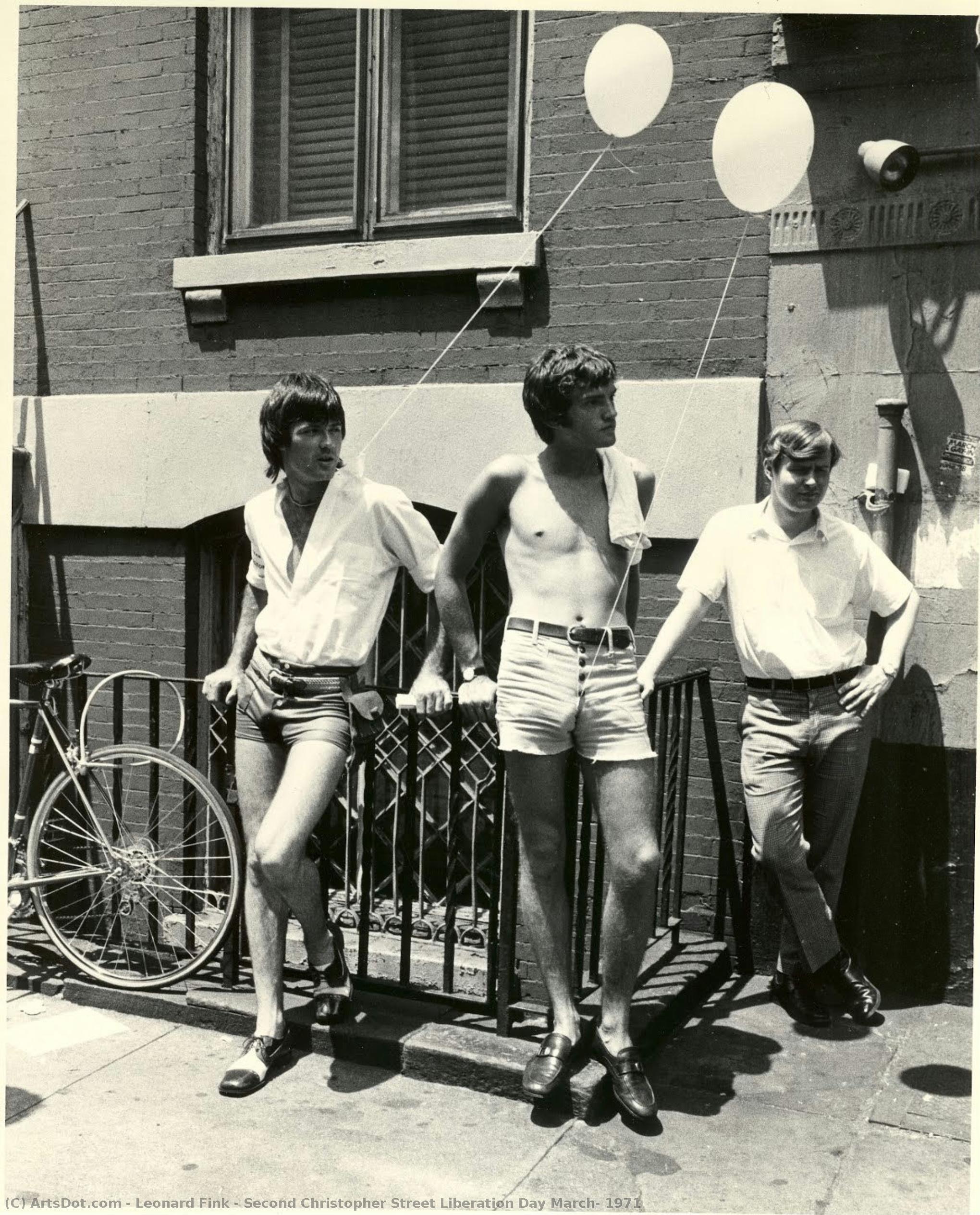
Second Christopher Street Liberation Day March, 1971

 Read More
Purchase a high-resolution, enhanced digital image, far superior to the online preview.
Each file is meticulously prepared by our in-house specialists using advanced tools and expert manual retouching. We ensure every image has exceptional clarity, precise color accuracy, and fine detail.
The final file is delivered via email within 72 hours, optimized for immediate use in professional, editorial, and print environments. This is the same quality trusted by top-tier design studios, publishers, and galleries.
Digital Image
Download a high-resolution file for personal display, printing, and creative projects. ( Buy Print Buy Hand Made Painting)
Included in Every Digital Image Order
Expert Digital Delivery, Guaranteed
When you choose ArtsDot.com, you're not just getting an image - you're receiving a professionally enhanced digital artwork, crafted with precision and backed by a satisfaction guarantee. Here's everything that comes with your order, automatically:

Fast Email Delivery
Your high-resolution digital image file will be emailed to you within 72 hours of ordering - ready for immediate use.

AI-Enhanced Digital File
Your artwork is professionally optimized using advanced AI tools and manual editing, ensuring maximum detail, clarity, and color accuracy.

Free Lifetime Re-Delivery
Accidentally deleted or lost your file? No worries - we'll resend it to you anytime, free of charge.

No Import Fees - Ever
Enjoy your artwork instantly with zero customs, duties, or delivery fees - digital downloads are always tax-free.

Color Accuracy Guarantee
We ensure your digital image reflects the original colors as closely as possible using professional tools and color management.

60-Day Satisfaction Guarantee
If you're not satisfied with your digital image, we'll revise it or refund 100% within 60 days - no questions asked.

100% Money-Back Guarantee
Not satisfied? Get a full refund within 60 days of receiving your digital file - no questions asked.

Bulk Order Discounts
Buy 3 images, save 10% - Buy 5, save 15% - Buy 10+, save 20%. Great for creative projects, galleries, and agencies.
Related Artworks
Artist Biography
Leonard Fink: A Silent Witness to Queer Liberation
Leonard Fink (1930-1992) remains a profoundly enigmatic figure in the history of American photography, a silent witness to a vibrant and often turbulent era of LGBTQ+ liberation. For decades, his extensive archive – encompassing over 5,000 prints and 25,000 negatives documenting life in New York City from 1967 to 1992 – lay largely unseen, known only to a small circle of friends. Only recently has Fink’s work begun to emerge into the public consciousness, revealing a remarkably intimate and powerful chronicle of gay culture during a period of profound social change. His photographs aren't merely documentation; they are imbued with a palpable sense of joy, vulnerability, and defiant self-expression – a testament to a community forging its own identity amidst societal constraints.
Born in New York City, Fink’s early life was shaped by his Orthodox Jewish upbringing, a stark contrast to the bohemian world he would eventually inhabit. He pursued legal studies at Louisiana State University and New York Law School, working as an attorney for the New York City Transit Authority – a seemingly conventional path that belied his burgeoning artistic passion. It was in the early 1960s, amidst the burgeoning counterculture movement, that Fink began to seriously explore photography, initially using a simple 35mm camera and a makeshift darkroom in his small apartment on West 92nd Street. His initial subjects were friends and family, capturing snapshots of everyday life, but soon he turned his lens toward the vibrant gay scene of Greenwich Village, drawn by its energy and sense of community. This marked a deliberate shift away from the expectations placed upon him as a young man, a quiet rebellion expressed through the act of seeing and recording.
The Piers: A Space of Cruising and Self-Discovery
Fink’s most iconic work centers around the abandoned West Side piers along the Hudson River. These derelict spaces became a crucial meeting point for gay men in New York City, offering a refuge from societal judgment and a space for spontaneous encounters – what was then known as “cruising.” Fink meticulously documented this world, capturing candid moments of connection, flirtation, and intimacy. His photographs aren’t overtly sexual; rather, they convey a sense of shared experience, vulnerability, and the quiet joy of simply being seen and accepted. The piers became a stage for self-discovery, where men could explore their identities and desires without fear of reprisal. Fink's images offer an unparalleled glimpse into this hidden subculture, revealing its complexities and celebrating its resilience.
His approach was remarkably intuitive. He often photographed his subjects in their own environments, sometimes with their knowledge, sometimes not. He wasn’t interested in creating polished portraits; instead, he sought to capture the raw essence of these moments – the fleeting expressions, the casual gestures, the unspoken connections. The grainy quality of many of his prints—a result of using inexpensive film and developing techniques—adds to their authenticity and immediacy, evoking a sense of time passing and history unfolding.
Pride Marches and Community Portraits
Beyond the piers, Fink’s archive includes extensive documentation of New York City's annual Pride marches, beginning with the first in 1970. These photographs capture the energy and enthusiasm of the early LGBTQ+ rights movement, depicting crowds of people marching for visibility and equality. He also documented the West Village’s gay bar culture, capturing the atmosphere of these spaces—places of refuge, celebration, and community. Fink's work extends beyond specific events; he created a series of portraits of individuals who became central figures in the LGBTQ+ community – including Marsha P. Johnson and Sylvia Rivera, two pioneering activists whose contributions to the movement are now widely recognized.
Legacy and Rediscovery
Despite his dedication to photography, Fink remained largely unknown during his lifetime, choosing a solitary existence and never seeking publication or exhibition. His archive lay dormant for decades until it was bequeathed to the Lesbian, Gay, Bisexual & Transgender Community Center in New York City. It wasn’t until 2014 that a selection of his photographs were exhibited at the Schwules Museum in Berlin, followed by a major retrospective at the Leslie-Lohman Museum of Art in New York City. These exhibitions brought Fink's work to a wider audience and sparked renewed interest in his unique perspective. Today, his archive is held by the Center Archive, and ongoing efforts are being made to digitize and preserve his legacy – ensuring that this remarkable witness to queer liberation will continue to inspire and inform future generations.
Leonard Fink’s photographs aren't just images; they are fragments of a lost world—a testament to the struggles and triumphs of a community fighting for its right to exist. They offer a poignant reminder of the importance of documenting marginalized voices and celebrating the diversity of human experience.
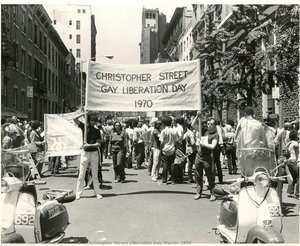
leonard fink
1930 - 1992 , United States of America
Quick Facts
- Artistic Movement Or Style: LGBTQ+ photography
- Date Of Birth: 1930
- Date Of Death: 1992
- Full Name: Leonard Fink
- Nationality: American
- Notable Artworks:
- First Christopher Street...
- Second Christopher Street...
- West Side Piers Images
- Place Of Birth: New York City, USA

