 Preview
 Send
Send Share
Share
 Details

 Download
 Similars
 X-Ray
X-Ray Diaporama
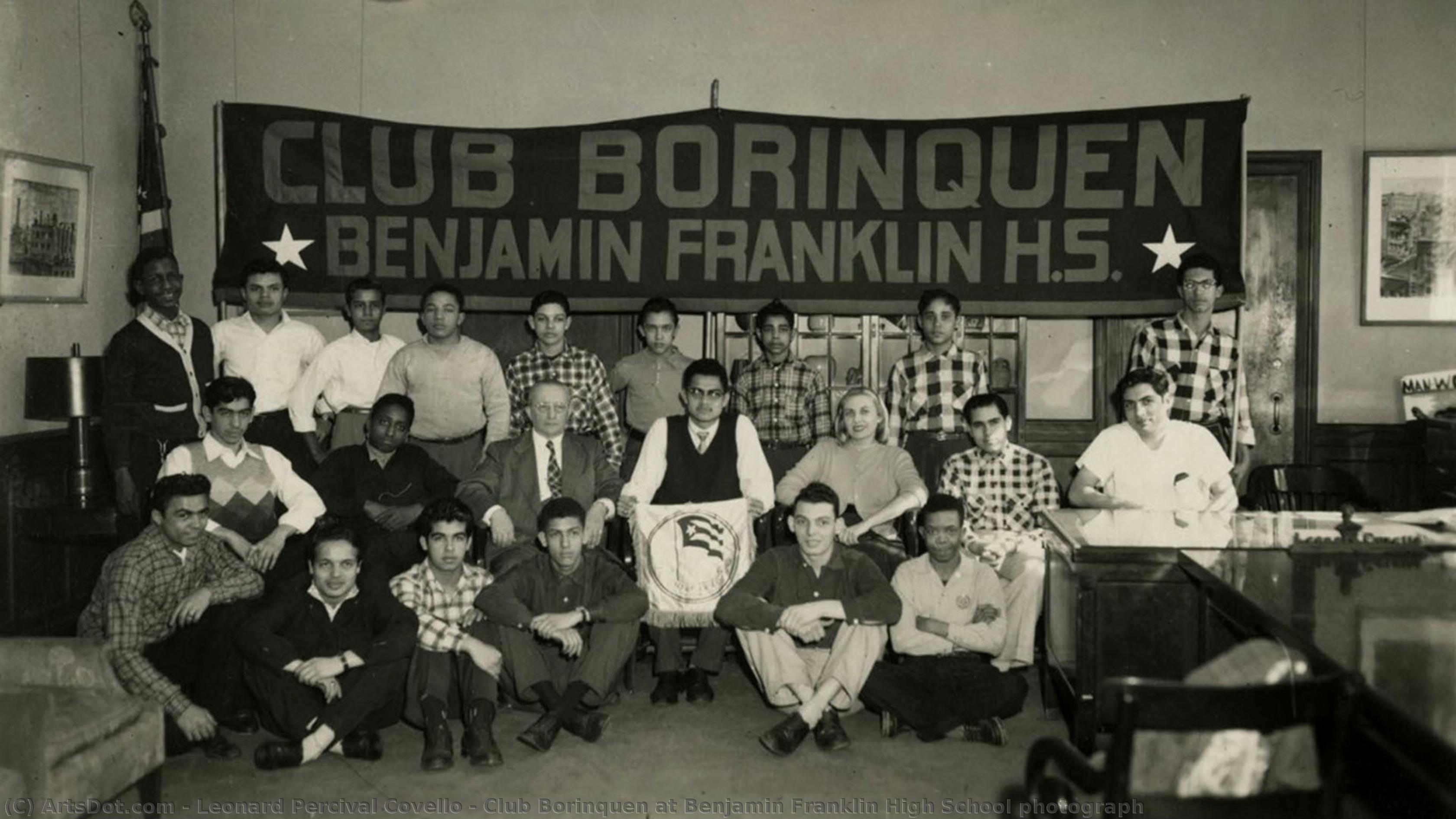
Club Borinquen at Benjamin Franklin High School photograph


 Read More
Giclée / Art Print
Museum-quality giclée or canvas print with fast production and flexible finish options. ( Buy Hand Made Painting Buy Image)




































Pick from our preset sizes that match the artwork's original proportions.

You may enter your own dimensions to fit a specific frame or space. If your selected size does not match the original image's proportions, we will either crop the artwork or extend the image with a mirrored or solid-fill edge. A digital mockup will be sent for your approval before production begins.
Please note that the on-screen preview does not reflect the actual cropping or extension. Only the mockup will accurately show the final composition.
While custom sizes are available, we recommend selecting a dimension from the predefined list to preserve the original proportions.
Worldwide Delivery () in 2 weeks instead of standard 4/5 weeks. (26 August)

Free Worldwide Express Shipping

High-Quality Linen Canvas

Full Shipping Insurance

Customs Tax Refund Guarantee

True Color Matching Guarantee

60-Day Return Policy (Defects Only)

100% Money-Back Guarantee

Bulk Discount Offer
 Glass option is only available in size under 110 CM

Club Borinquen at Benjamin Franklin High School photograph
Giclée / Art Print
Reproduction Size
-


Total Price
$ 63
Related Artworks








Artist Biography
Early Life and Artistic Foundations
Marcel Duchamp, born Henri-Robert-Marcel Duchamp in Blainville, Normandy, on July 28, 1887, was the youngest of six children within a family steeped in artistic tradition. His grandfather, a shipping agent with a passion for engraving, instilled an early appreciation for visual arts, while his elder brothers, Jacques Villon and Raymond Duchamp-Villon, were already established artists by the time Marcel arrived in Paris in 1904. This familial legacy provided a fertile ground for his own artistic development, though initially he navigated through various contemporary trends – from Post-Impressionism, influenced by Paul Cézanne’s emphasis on structure and form, to the burgeoning currents of Cubism. Early works like *Portrait of Marcel Lefrançois* (1911) demonstrated a nascent style and technique, hinting at the radical shifts he would later introduce into the art world. Duchamp's early artistic explorations were marked by a willingness to experiment, absorbing diverse influences before forging his own distinctive path.The Rise of Cubism and Early Innovations
Following the sensation caused by *Nude Descending a Staircase (No. 2)* in 1912 – a painting that provoked considerable criticism for its unconventional depiction of the female nude – Duchamp moved into a period of experimentation, largely abandoning traditional painting techniques. He embraced the principles of Cubism, particularly its fragmentation of form and multiple perspectives, yet injected his work with a dynamism rarely seen in the movement’s more static iterations. *Nu desertique* (1917), for example, showcases this innovative approach, utilizing a complex layering of shapes and colors to create an image that is both abstract and intensely evocative. This period also saw Duchamp's exploration of Futurism, drawn to its celebration of speed, technology, and movement – a fascination reflected in his dynamic compositions and the sense of perpetual motion they convey. His willingness to challenge established conventions and push the boundaries of artistic representation was already evident during this formative phase.The Readymades: A Revolutionary Concept
Duchamp’s most enduring contribution to art history lies in the invention of the “readymade” – a concept that fundamentally redefined the role of the artist and the nature of art itself. Beginning in 1913, Duchamp began selecting ordinary, mass-produced objects—a bicycle wheel, a shovel, a urinal—and designating them as works of art simply by declaring them so. His most famous readymade, *Fountain* (1917), – a porcelain urinal signed “R. Mutt” – was submitted anonymously to the Society of Independent Artists’ exhibition in New York and subsequently caused a scandal, sparking intense debate about the criteria for artistic merit. Duchamp's intention wasn’t merely to shock; he sought to challenge viewers’ preconceived notions of art, arguing that the artist’s selection and presentation were what constituted the artwork, not the object itself. This radical gesture liberated art from its traditional constraints and paved the way for Conceptual Art.Surrealism, Chess, and a Shift in Focus
During the 1920s, Duchamp became involved with the Surrealist movement, though he maintained a deliberately detached stance, refusing to fully embrace its manifestos or dogma. He continued his exploration of chance operations, exemplified by *3 Standard Stoppages* (1913-14), and developed his own symbolic language through the use of readymades. Simultaneously, Duchamp’s passion for chess became increasingly prominent, reaching a level of mastery that earned him recognition as one of the world's top players. This dedication to intellectual pursuits – both artistic and strategic – shaped his approach to art, emphasizing conceptual rigor and deliberate ambiguity. The culmination of these interests was *Etant donnés* (1965-68), a monumental three-dimensional reconstruction of *The Bride Stripped Bare by Her Bachelors, Even*, a work he had begun in 1915 and considered his most significant single achievement.Legacy and Historical Significance
Marcel Duchamp’s impact on the art world is immeasurable. He dismantled traditional notions of artistic skill, authorship, and aesthetic value, ushering in an era of Conceptual Art and profoundly influencing generations of artists. His readymades challenged the very definition of art, shifting the focus from the object itself to the artist's concept and intention. Duchamp’s work continues to be studied and debated today, serving as a constant reminder of the power of artistic innovation and the enduring relevance of questioning established norms. He remains a pivotal figure in 20th-century art, celebrated for his intellectual rigor, subversive spirit, and unwavering commitment to pushing the boundaries of creative expression.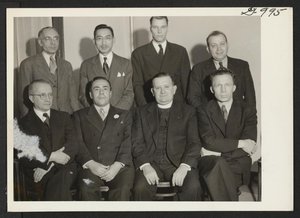
leonard percival covello
1887 - 1982 , United States of America
Quick Facts
- Artistic Movement Or Style:
- Cubism
- Dada
- Surrealism
- Artists Or Movements Influenced By This Artist:
- Conceptual art
- Dada movement
- Artists Who Influenced This Artist:
- Matisse
- Fauvism
- Futurism
- Cézanne
- Date Of Birth: July 28, 1887
- Date Of Death: October 2, 1968
- Full Name: Henri-Robert-Marcel Duchamp
- Nationality: French American
- Notable Artworks:
- Nude Descending a Staircase (No. 2)
- Bicycle Wheel
- Fountain
- Etant donnés
- Place Of Birth: Blainville, France