

 Send
Send Share
Share
 Details

 Download
 Similars
 Diaporama
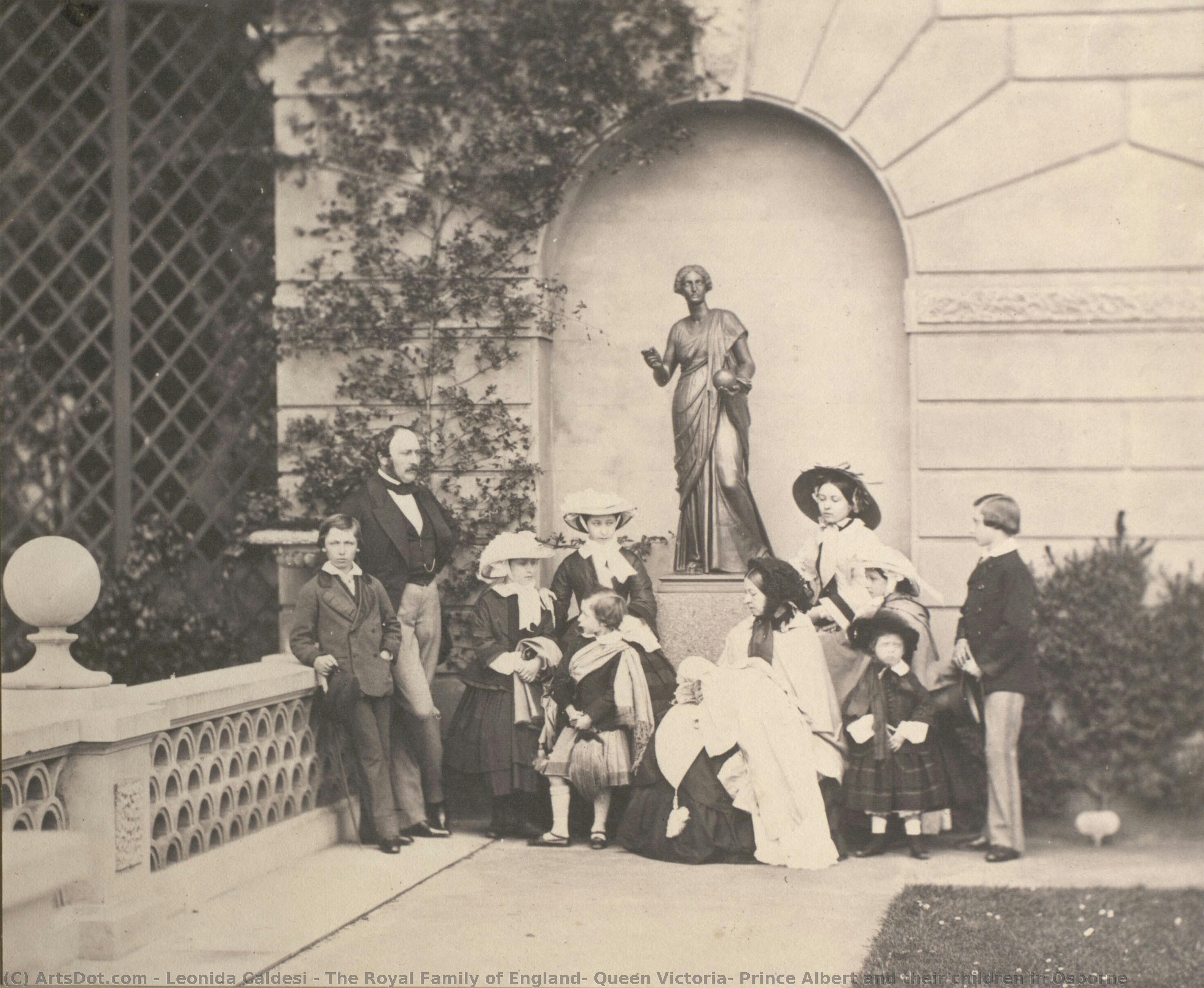
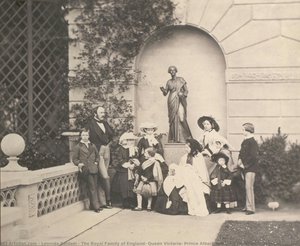
The Royal Family of England: Queen Victoria, Prince Albert and their children in Osborne


 Read More
Purchase a high-resolution, enhanced digital image, far superior to the online preview.
Each file is meticulously prepared by our in-house specialists using advanced tools and expert manual retouching. We ensure every image has exceptional clarity, precise color accuracy, and fine detail.
The final file is delivered via email within 72 hours, optimized for immediate use in professional, editorial, and print environments. This is the same quality trusted by top-tier design studios, publishers, and galleries.
Digital Image
Download a high-resolution file for personal display, printing, and creative projects. ( Buy Print Buy Hand Made Painting)
Included in Every Digital Image Order
Expert Digital Delivery, Guaranteed
When you choose ArtsDot.com, you're not just getting an image - you're receiving a professionally enhanced digital artwork, crafted with precision and backed by a satisfaction guarantee. Here's everything that comes with your order, automatically:

Fast Email Delivery
Your high-resolution digital image file will be emailed to you within 72 hours of ordering - ready for immediate use.

AI-Enhanced Digital File
Your artwork is professionally optimized using advanced AI tools and manual editing, ensuring maximum detail, clarity, and color accuracy.

Free Lifetime Re-Delivery
Accidentally deleted or lost your file? No worries - we'll resend it to you anytime, free of charge.

No Import Fees - Ever
Enjoy your artwork instantly with zero customs, duties, or delivery fees - digital downloads are always tax-free.

Color Accuracy Guarantee
We ensure your digital image reflects the original colors as closely as possible using professional tools and color management.

60-Day Satisfaction Guarantee
If you're not satisfied with your digital image, we'll revise it or refund 100% within 60 days - no questions asked.

100% Money-Back Guarantee
Not satisfied? Get a full refund within 60 days of receiving your digital file - no questions asked.

Bulk Order Discounts
Buy 3 images, save 10% - Buy 5, save 15% - Buy 10+, save 20%. Great for creative projects, galleries, and agencies.
A Glimpse into Victorian Majesty
In this evocative photographic portrait from 1857, we are transported back to a pivotal era of the British monarchy, capturing a rare and intimate moment with Queen Victoria, Prince Albert, and their growing family at Osborne. The image serves as more than just a historical record; it is a window into the heart of the House of Saxe-Coburg and Gotha. Through the lens of Leonida Caldesi, the composition transcends a mere group portrait to become a study of familial unity and the weight of imperial duty. The arrangement of the figures, positioned near the architectural elegance of their surroundings, creates a sense of grounded permanence, as if the very foundations of the empire were reflected in the stability of this domestic scene.
The photograph captures the subtle interplay between the public persona of the monarchy and the private reality of parenthood. While the attire is formal—signifying the dignity of their station—there is an undeniable warmth in the way the children are scattered throughout the frame. Some lean forward with youthful curiosity, while others stand with a burgeoning sense of decorum, mirroring the disciplined yet affectionate atmosphere of the royal household. This delicate balance between the rigid protocols of the 19th century and the tender bonds of kinship provides a profound emotional resonance that continues to captivate viewers today.
The Artistry of Light and Legacy
Technically, this monochrome masterpiece relies on the nuanced interplay of light and shadow to define form and texture. In an era when photography was still mastering the nuances of depth, Caldesi’s work demonstrates a sophisticated understanding of tonal range. The soft, natural light illuminates the intricate details of the Victorian finery—the crispness of collars, the heavy drape of formal fabrics, and the dignified posture of the Queen herself. This monochromatic palette strips away the distractions of color, forcing the eye to focus on the essential elements: the expressions, the structural composition, and the historical gravity of the subjects.
For the discerning collector or interior designer, a high-quality reproduction of this piece offers an unparalleled opportunity to introduce a sense of timelessness and historical prestige into a space. The image functions as a sophisticated focal point, perfect for a library, a formal study, or a gallery wall that seeks to evoke the grandeur of the 19th century. It is not merely a decoration but a conversation piece that invites contemplation on the passage of time, the evolution of portraiture, and the enduring legacy of one of history's most iconic families. Owning such a reproduction allows one to curate an atmosphere of intellectual depth and classical elegance.
Related Artworks

Artist Biography
Édouard Manet: A Revolutionary Vision of Modern Life
Édouard Manet, born in Paris on January 23, 1832, into a family steeped in political influence, was not destined for the predictable path laid out for him by his father, a judge within the French Ministry of Justice. While initially groomed for a career in law, Manet’s passionate desire to pursue art ultimately prevailed, forging a revolutionary trajectory that would forever alter the course of 19th-century painting. His life and work represent a pivotal moment in art history – a bridge between the academic traditions of the past and the nascent explorations of modernism that were about to explode onto the scene.
Manet’s early artistic education was unconventional, shaped by a combination of private tutoring and a brief stint as an apprentice pilot. He initially studied under Thomas Couture, a respected classical painter, absorbing fundamental techniques but quickly developing his own distinctive style. Couture's influence provided a solid foundation, yet Manet’s restless spirit and keen observation of contemporary life led him to reject the prevailing artistic conventions, particularly the rigid adherence to academic rules regarding subject matter, composition, and technique.
The Salon Years: Controversy and Breakthrough
Manet’s career was inextricably linked to the annual Paris Salons, the official exhibitions that served as the primary venue for artists to gain recognition. He submitted his works repeatedly, hoping for acceptance, but faced consistent criticism and rejection, particularly in the 1860s. His paintings, often depicting scenes of modern Parisian life – café scenes, prostitutes, and domestic interiors – were deemed vulgar, unfinished, and lacking in artistic merit by the conservative Salon jury.
The most infamous example of this controversy was *Le Déjeuner sur l’herbe* (1863), a painting depicting a nude woman casually enjoying a picnic with two fully clothed men. The scene, inspired by Titian's *Venus at Her Bath*, shocked the public and critics alike. Accusations of indecency and lack of artistic skill flooded in, yet amidst the uproar, a small group of young artists – including Monet, Renoir, and Pissarro – recognized Manet’s innovative approach and championed his work. The subsequent exhibition of *Olympia* (1863), a portrait of a Parisian prostitute, further fueled the controversy, solidifying Manet's reputation as a provocateur.
Influences and Artistic Style
Manet’s artistic development was profoundly influenced by several key sources. He admired the works of Italian Renaissance masters like Raphael and Titian, particularly their use of color and composition. However, he also drew inspiration from contemporary artists such as Gustave Courbet, who championed realism and depicted everyday subjects with unflinching honesty. Manet's style can be characterized by a flattened perspective, bold outlines, and a deliberate rejection of traditional modeling techniques. He employed a limited palette of colors, often using them in contrasting combinations to create a sense of immediacy and vibrancy.
Unlike the meticulous detail favored by academic painters, Manet’s brushstrokes were loose and visible, reflecting his interest in capturing fleeting moments and conveying atmosphere. His paintings frequently featured ordinary people engaged in mundane activities, challenging the traditional focus on historical or mythological subjects. He was a master of capturing the essence of a scene rather than rendering it with photographic accuracy.
Key Works and Lasting Legacy
Throughout his career, Manet produced a remarkable body of work that continues to fascinate and inspire. *Le Déjeuner sur l’herbe* and *Olympia* remain among his most celebrated paintings, serving as testaments to his willingness to challenge artistic conventions. Other notable works include *A Bar at the Folies-Bergère* (1882), a captivating depiction of a Parisian café scene, and *The Execution of Maximilian*, a powerful commentary on political events in Mexico.
Manet’s influence on subsequent generations of artists is undeniable. He paved the way for Impressionism by rejecting academic standards and embracing modern subject matter. His innovative use of color, composition, and brushstroke laid the groundwork for the development of new artistic styles. Édouard Manet died in Paris on April 30, 1883, leaving behind a legacy as one of the most important and influential figures in the history of art – a true pioneer who dared to depict the world around him with honesty, boldness, and unwavering vision.
leonida caldesi
1832 - 1917 , Italy
Quick Facts
- Artistic Movement Or Style: Impressionism, Realism
- Artists Or Movements Influenced By This Artist: ['Impressionists']
- Artists Who Influenced This Artist: ['Thomas Couture']
- Date Of Birth: January 23, 1832
- Date Of Death: April 30, 1883
- Full Name: Édouard Manet
- Nationality: French
- Notable Artworks:
- Le Déjeuner sur l'herbe
- Olympia
- A Bar at the Folies-Bergère
- Place Of Birth: Paris, France

