

 Preview
 Send
Send Share
Share
 Details

 Download
 Similars
 X-Ray
X-Ray Diaporama
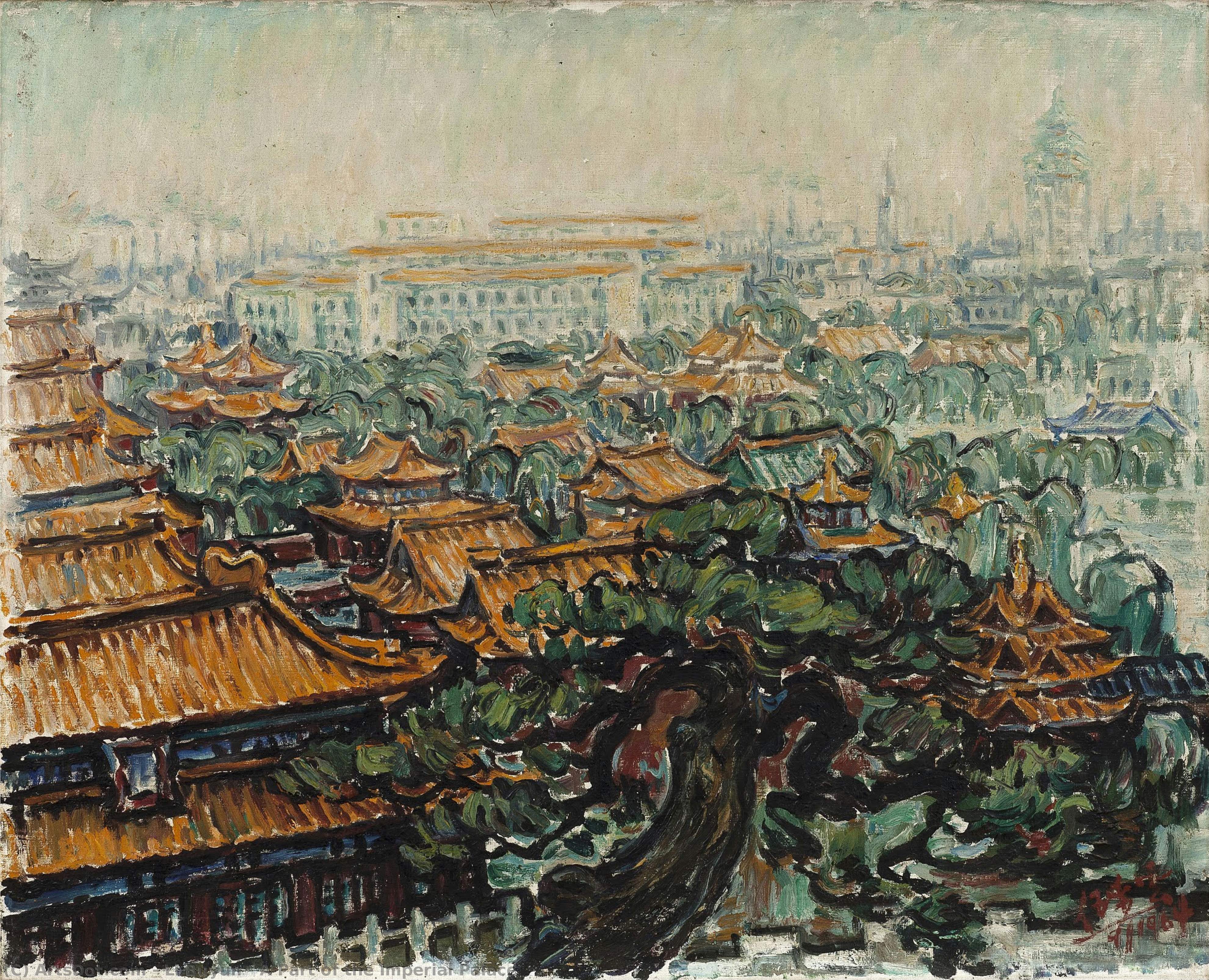
A Part of the Imperial Palace

 Read More
Purchase a high-resolution, enhanced digital image, far superior to the online preview.
Each file is meticulously prepared by our in-house specialists using advanced tools and expert manual retouching. We ensure every image has exceptional clarity, precise color accuracy, and fine detail.
The final file is delivered via email within 72 hours, optimized for immediate use in professional, editorial, and print environments. This is the same quality trusted by top-tier design studios, publishers, and galleries.
Digital Image
Download a high-resolution file for personal display, printing, and creative projects. ( Buy Print Buy Hand Made Painting)
Included in Every Digital Image Order
Expert Digital Delivery, Guaranteed
When you choose ArtsDot.com, you're not just getting an image - you're receiving a professionally enhanced digital artwork, crafted with precision and backed by a satisfaction guarantee. Here's everything that comes with your order, automatically:

Fast Email Delivery
Your high-resolution digital image file will be emailed to you within 72 hours of ordering - ready for immediate use.

AI-Enhanced Digital File
Your artwork is professionally optimized using advanced AI tools and manual editing, ensuring maximum detail, clarity, and color accuracy.

Free Lifetime Re-Delivery
Accidentally deleted or lost your file? No worries - we'll resend it to you anytime, free of charge.

No Import Fees - Ever
Enjoy your artwork instantly with zero customs, duties, or delivery fees - digital downloads are always tax-free.

Color Accuracy Guarantee
We ensure your digital image reflects the original colors as closely as possible using professional tools and color management.

60-Day Satisfaction Guarantee
If you're not satisfied with your digital image, we'll revise it or refund 100% within 60 days - no questions asked.

100% Money-Back Guarantee
Not satisfied? Get a full refund within 60 days of receiving your digital file - no questions asked.

Bulk Order Discounts
Buy 3 images, save 10% - Buy 5, save 15% - Buy 10+, save 20%. Great for creative projects, galleries, and agencies.
Collectible Description
Related Artworks










Artist Biography
Li Buyun: A Life Woven in Ink and Silk
Li Buyun, also known as Wu Buyun, is a singular figure in the landscape of Chinese art – a master calligrapher, a celebrated costume designer for Peking Opera, and a painter whose evocative landscapes capture both historical grandeur and profound serenity. Born in Leping, Hunan Province, China, in 1938, his life has been one of dedicated pursuit across multiple artistic disciplines, each informing and enriching the others. His journey began not with brushes and pigments, but with the intricate world of theatrical costume design, a path that ultimately shaped his understanding of form, color, and narrative – elements he would later translate into his paintings.Early in his career, Buyun’s talent for costume creation quickly gained recognition within the Peking Opera community. He is particularly renowned for his pivotal role in designing the “Mangfu” costume, a style that became synonymous with the genre's elegance and sophistication. This wasn’t merely about creating visually appealing garments; it was about embodying characters, conveying status, and preserving a vital piece of Chinese cultural heritage. The meticulous detail he poured into each stitch, each embellishment, instilled in him an appreciation for craftsmanship and the power of visual storytelling – qualities that would later become central to his artistic practice.
Calligraphy: The Foundation of His Art
Buyun’s formal training began with calligraphy. He initially studied under renowned calligraphers, absorbing not just the technical skills but also the philosophical principles underpinning this ancient art form. Calligraphy, for Buyun, was more than simply writing characters; it was a meditative practice, a way to connect with nature and express one's inner state. The deliberate movements of the brush, the careful selection of ink tones, and the pursuit of balance and harmony – these were all deeply ingrained in his artistic sensibility. This foundational knowledge profoundly influenced his later work as a painter, informing his composition, color palettes, and overall sense of balance.Painting: Landscapes Steeped in History and Emotion
While his contributions to Peking Opera are undeniable, Buyun’s paintings have garnered significant attention for their unique blend of traditional Chinese landscape art with a distinctly personal vision. His works often depict scenes from Chinese history – emperors surveying vast territories, armies marching across the plains, or moments of quiet contemplation within imperial gardens. However, he doesn't simply recreate historical events; instead, he imbues them with a palpable sense of atmosphere and emotion.- Color Palette: Buyun’s color choices are particularly striking. He favors muted earth tones – ochres, browns, grays – alongside splashes of vibrant crimson, jade green, and sapphire blue. These colors aren't used randomly; they are carefully considered to evoke specific moods and create a sense of depth and perspective.
- Brushwork: His brushstrokes are fluid and expressive, reflecting the influence of his calligraphy training. He employs a variety of techniques – loose washes, tight details, and dynamic lines – to capture the essence of each scene.
- Composition: Buyun’s compositions often feature sweeping vistas and carefully placed focal points, drawing the viewer's eye into the heart of the painting.
His paintings are not merely representations of landscapes; they are windows into a bygone era, offering glimpses of Chinese history and culture through the lens of a deeply sensitive artist. The Qinghai Provincial Committee of the Chinese People’s Political Consultative Conference, where he holds an honorary position, reflects his continued engagement with civic life and cultural preservation.
Legacy and Influence
Li Buyun's work stands as a testament to the enduring power of traditional Chinese art forms. His seamless integration of calligraphy, costume design, and painting demonstrates a remarkable artistic versatility and a deep understanding of Chinese culture. His legacy extends beyond his individual creations; he has inspired countless artists and continues to be celebrated for his contributions to both Peking Opera and the world of landscape painting. A Part of the Imperial Palace, one of his most notable works, exemplifies this fusion of disciplines, showcasing a meticulously rendered imperial scene imbued with a profound sense of history and emotion. Buyun’s work serves as a vital link between China's rich artistic past and its vibrant present, ensuring that these traditions continue to flourish for generations to come.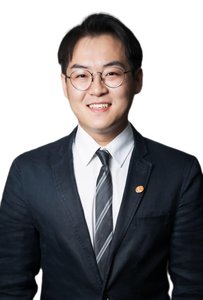
li buyun
1938 - , China
Quick Facts
- Artistic Movement Or Style: Calligraphy & Opera Design
- Date Of Birth: 1938
- Full Name: Li Buyun / Wu Buyun
- Nationality: Chinese
- Notable Artworks: ['A Part of the Imperial Palace']
- Place Of Birth: Leping, China

