 Preview
 Send
Send Share
Share
 Details

 Download
 Similars
 X-Ray
X-Ray Diaporama
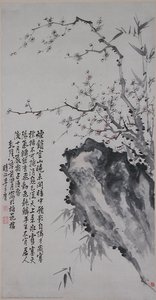
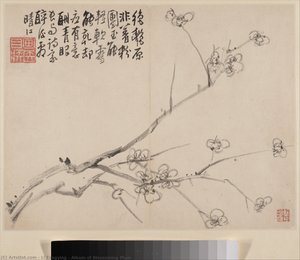
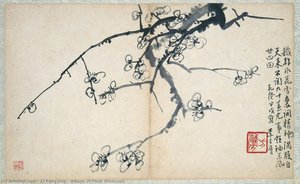
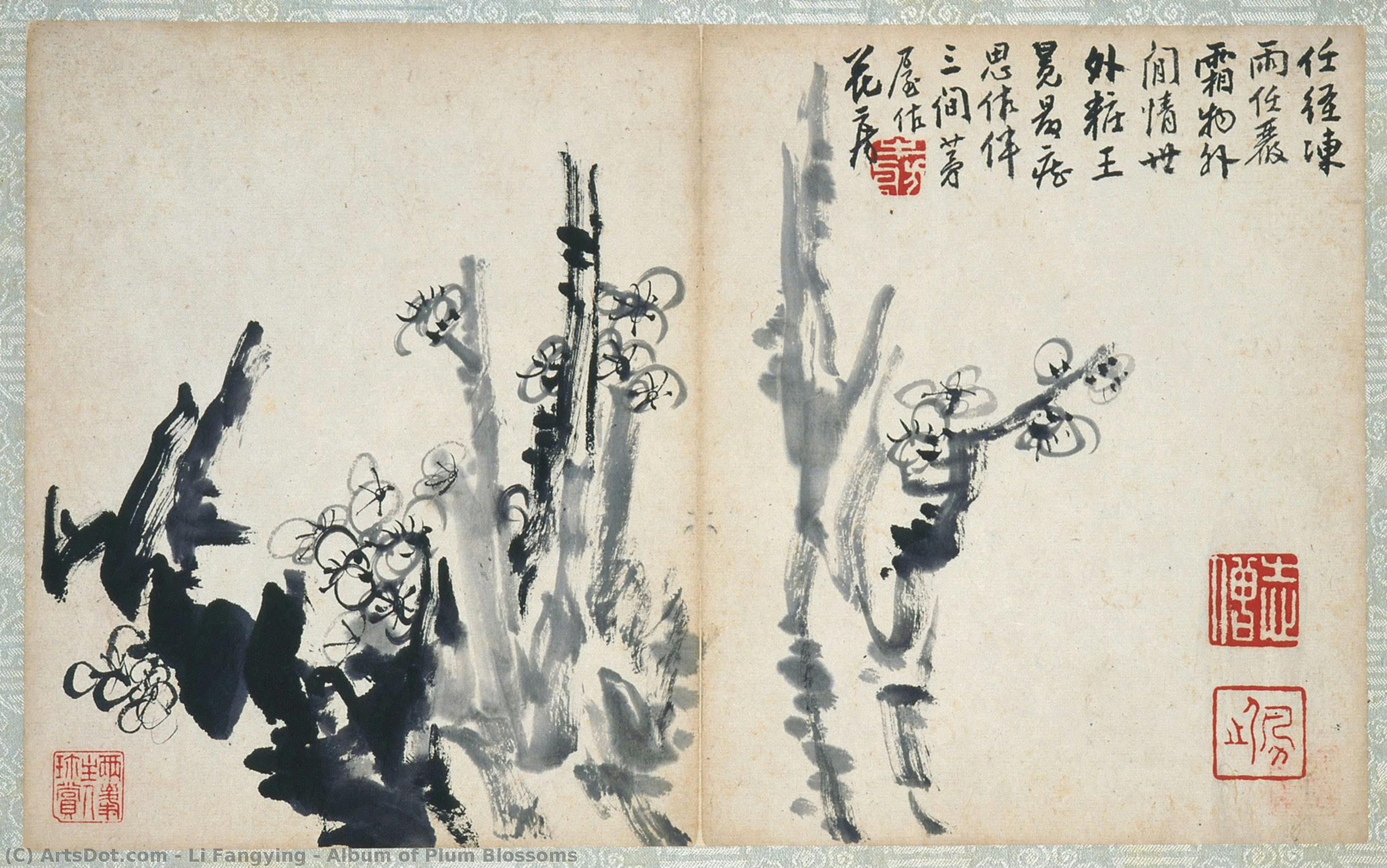
Album of Plum Blossoms
 Read More
Giclée / Art Print
Museum-quality giclée or canvas print with fast production and flexible finish options. ( Buy Hand Made Painting Buy Image)




































Pick from our preset sizes that match the artwork's original proportions.

You may enter your own dimensions to fit a specific frame or space. If your selected size does not match the original image's proportions, we will either crop the artwork or extend the image with a mirrored or solid-fill edge. A digital mockup will be sent for your approval before production begins.
Please note that the on-screen preview does not reflect the actual cropping or extension. Only the mockup will accurately show the final composition.
While custom sizes are available, we recommend selecting a dimension from the predefined list to preserve the original proportions.
Worldwide Delivery () in 2 weeks instead of standard 4/5 weeks. (30 August)

Free Worldwide Express Shipping

High-Quality Linen Canvas

Full Shipping Insurance

Customs Tax Refund Guarantee

True Color Matching Guarantee

60-Day Return Policy (Defects Only)

100% Money-Back Guarantee

Bulk Discount Offer
 Glass option is only available in size under 110 CM

Album of Plum Blossoms
Giclée / Art Print
Reproduction Size
-


Total Price
$ 63
Related Artworks









Artist Biography
Li Fangying (Qiu Zhong): A Master of Plum Blossom and Serene Landscapes
Li Fangying, also known as Qiu Zhong, was a pivotal figure in 18th-century Chinese art, born in the Tongzhou district of China in 1695 and passing away in 1755. His legacy rests primarily on his exquisite paintings, particularly his celebrated depictions of blossoming plum blossoms alongside serene landscapes imbued with profound symbolism. He wasn’t merely a painter; he was a meticulous observer of nature and a skilled practitioner of the *shanshui* (mountain-water) style, a dominant form of Chinese landscape painting during that era. His work offers a glimpse into the refined aesthetic sensibilities of the Qing dynasty's literati – scholar-officials who valued artistic skill as much as intellectual pursuits.Early Life and Influences: The Roots of a Master
Li Fangying’s early life remains somewhat shrouded in historical detail, though it is known he was born into a family with connections to government service. He spent a significant portion of his adult life serving as a county magistrate, a role that afforded him both stability and the opportunity to cultivate his artistic talents. Crucially, Li Fangying's career coincided with the flourishing of the “Eight Eccentrics of Yangzhou,” a group of artists renowned for their unconventional approaches to painting and their rejection of traditional academic styles. While not formally part of this group, he maintained close relationships with prominent figures like Jin Nong and Zheng Xie, absorbing their innovative techniques and philosophical perspectives. These interactions profoundly shaped his artistic development, encouraging him to prioritize spontaneity, atmospheric effects, and the expressive potential of ink wash. The influence of these masters is evident in Li Fangying’s loose brushwork and emphasis on capturing the essence of nature rather than creating a literal representation.The Art of the Plum Blossom: Symbolism and Technique
Li Fangying's most enduring contribution to Chinese art lies in his mastery of painting the blossoming plum blossom. This flower held immense significance within Chinese culture, representing resilience, purity, longevity, and loyalty – virtues highly valued by scholar-officials. Li Fangying didn’t simply depict plums; he imbued them with layers of meaning through careful composition, evocative brushwork, and subtle color variations. His paintings often feature the plum blossom emerging from barren branches, symbolizing perseverance in adversity. He expertly utilized *shizen* (naturalism), a technique emphasizing spontaneity and capturing the immediate impression of nature, to create dynamic compositions that conveyed both beauty and philosophical depth. His use of ink wash was particularly remarkable – he skillfully manipulated the flow and texture of the ink to suggest light, shadow, and atmosphere, creating a sense of depth and realism.Notable Works: “Album of Blossoming Plum” and Beyond
Among Li Fangying’s most celebrated works is the "Album of Blossoming Plum" (墨梅圖 冊), painted in 1742. This exquisite album showcases his signature style, blending meticulous detail with a sense of effortless grace. The work exemplifies his ability to distill complex ideas into simple, evocative images. The “Album” isn’t just a collection of individual paintings; it's a carefully orchestrated visual poem, each plum blossom rendered with remarkable sensitivity and attention to detail. Beyond the "Album," other notable works include *Swimming Fish* and *Waving Bamboo in the Wind*, demonstrating his versatility across various subjects within the landscape genre. These pieces highlight his ability to capture the dynamism of nature – the movement of water, the sway of bamboo in the breeze – with remarkable skill.Legacy and Historical Significance
Li Fangying’s influence extends far beyond his own lifetime. He is considered a key figure in the development of literati painting, a style characterized by its emphasis on personal expression, philosophical contemplation, and the integration of poetry, calligraphy, and painting. His work served as an inspiration for subsequent generations of artists, particularly those associated with the Yangzhou School. His dedication to capturing the essence of nature and his masterful use of ink wash techniques continue to be studied and admired today. The Metropolitan Museum of Art’s collection of his works provides invaluable insight into his artistic vision and underscores his enduring legacy as one of China's most accomplished landscape painters. His work remains a testament to the power of art to convey both beauty and profound meaning, reflecting the values and sensibilities of a bygone era.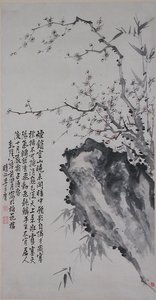
li fangying
1695 - 1755 , China
Quick Facts
- Artistic Movement Or Style: Ink wash painting
- Artists Or Movements Influenced By This Artist: ['Eight Eccentrics of Yangzhou']
- Artists Who Influenced This Artist:
- Jin Nong
- Zheng Xie
- Date Of Birth: 1695
- Date Of Death: 1755
- Full Name: Li Fangying (Qiu Zhong)
- Nationality: Chinese
- Notable Artworks: ['Album of Plum Blossoms']
- Place Of Birth: Tongzhou, China