

 Preview
 Send
Send Share
Share
 Details

 Download
 Similars
 X-Ray
X-Ray Diaporama
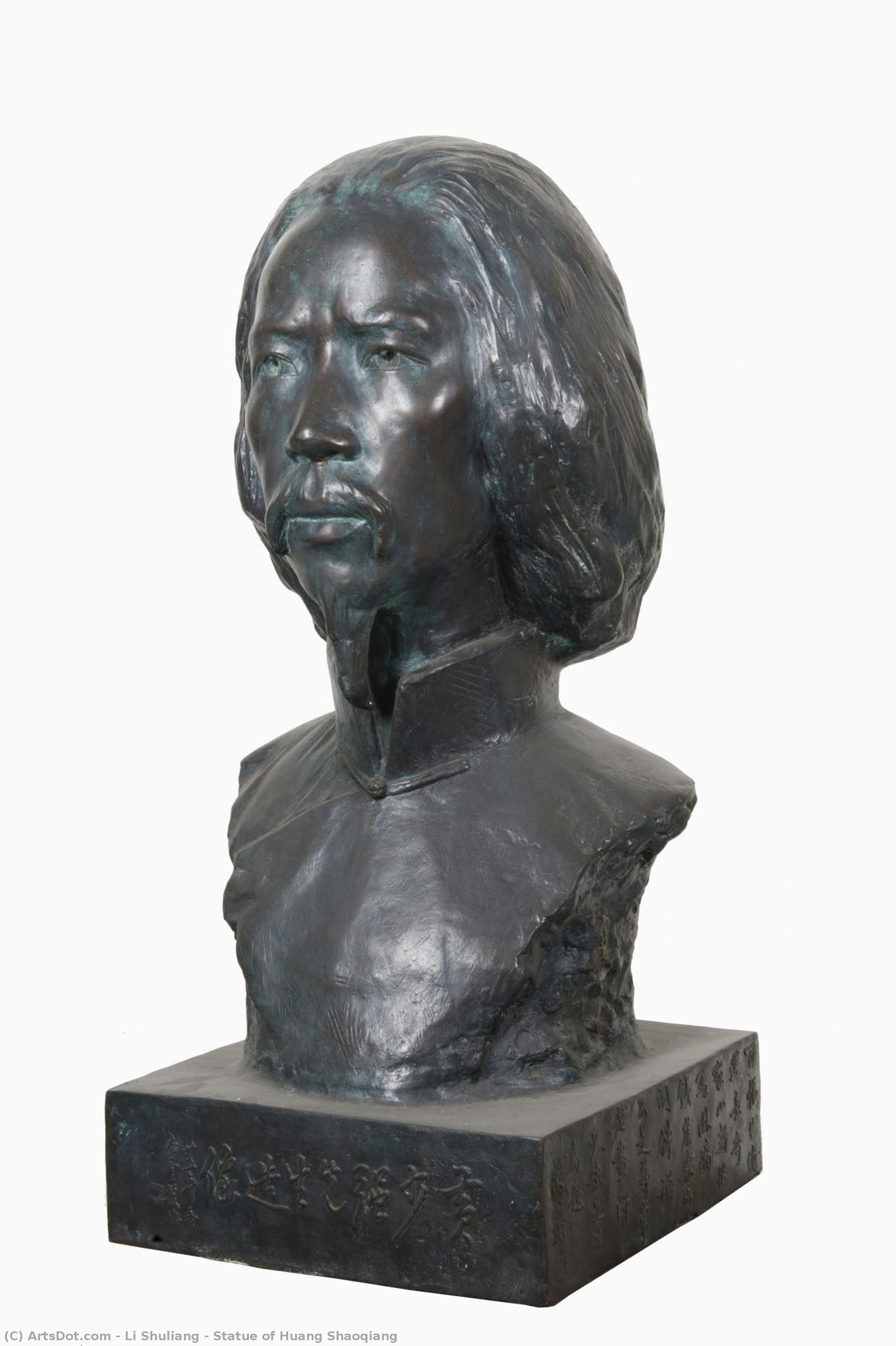
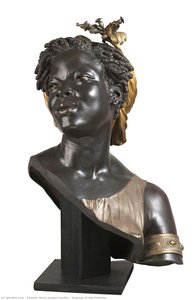
Statue of Huang Shaoqiang
 Read More
Purchase a high-resolution, enhanced digital image, far superior to the online preview.
Each file is meticulously prepared by our in-house specialists using advanced tools and expert manual retouching. We ensure every image has exceptional clarity, precise color accuracy, and fine detail.
The final file is delivered via email within 72 hours, optimized for immediate use in professional, editorial, and print environments. This is the same quality trusted by top-tier design studios, publishers, and galleries.
Digital Image
Download a high-resolution file for personal display, printing, and creative projects. ( Buy Print Buy Hand Made Painting)
Included in Every Digital Image Order
Expert Digital Delivery, Guaranteed
When you choose ArtsDot.com, you're not just getting an image - you're receiving a professionally enhanced digital artwork, crafted with precision and backed by a satisfaction guarantee. Here's everything that comes with your order, automatically:

Fast Email Delivery
Your high-resolution digital image file will be emailed to you within 72 hours of ordering - ready for immediate use.

AI-Enhanced Digital File
Your artwork is professionally optimized using advanced AI tools and manual editing, ensuring maximum detail, clarity, and color accuracy.

Free Lifetime Re-Delivery
Accidentally deleted or lost your file? No worries - we'll resend it to you anytime, free of charge.

No Import Fees - Ever
Enjoy your artwork instantly with zero customs, duties, or delivery fees - digital downloads are always tax-free.

Color Accuracy Guarantee
We ensure your digital image reflects the original colors as closely as possible using professional tools and color management.

60-Day Satisfaction Guarantee
If you're not satisfied with your digital image, we'll revise it or refund 100% within 60 days - no questions asked.

100% Money-Back Guarantee
Not satisfied? Get a full refund within 60 days of receiving your digital file - no questions asked.

Bulk Order Discounts
Buy 3 images, save 10% - Buy 5, save 15% - Buy 10+, save 20%. Great for creative projects, galleries, and agencies.
Related Artworks




Artist Biography
Li Shuliang (Li Jinfa): A Bridging of East and West in Sculpture and Poetry
Li Shuliang, later known as Li Jinfa, stands as a compelling figure in 20th-century Chinese art – a poet who sculpted, a sculptor who wrote, and an artist deeply influenced by the currents of both Eastern tradition and Western modernity. Born in Mei, China, in 1900, his life spanned decades marked by intellectual exploration, artistic evolution, and ultimately, a journey across continents that profoundly shaped his creative vision. His story is one of embracing seemingly disparate influences, weaving them together to produce works imbued with a unique sensibility – a blend of classical grace and symbolic depth. Li’s early years were rooted in the disciplined environment of rural Guangdong province. However, at the age of seventeen, he embarked on a transformative journey to Shanghai, initiating his formal studies in Western sculpture. This marked a pivotal moment, exposing him to techniques and aesthetics radically different from those prevalent in traditional Chinese art. Crucially, it was during this period that he encountered French literature, particularly the Symbolist poets Charles Baudelaire and Paul Verlaine. These encounters ignited within him a fascination with evocative imagery, emotional resonance, and the exploration of inner states – themes that would become central to his artistic practice. A pivotal dream, featuring a blonde woman who healed him, led to the adoption of the pseudonym “Jinfa” (金发), meaning ‘golden hair’ in Chinese, reflecting this transformative experience and establishing a consistent identity throughout his career. His time in Paris between 1922 and 1923 proved formative. It was here that he encountered the sculpture of Acis and Galatée at the Fontaine Médicis – an encounter that profoundly impacted his artistic trajectory. The classical narrative, rich with mythological symbolism and emotional intensity, served as a powerful inspiration, demonstrating how sculpture could convey complex narratives and evoke profound feelings. This influence is readily apparent in many of his later works, particularly his monumental statue of Huang Shaoqiang, a piece characterized by its dramatic pose, expressive features, and the suggestion of a deeply felt narrative. Li’s early sculptures demonstrated a willingness to experiment with form and technique, incorporating elements of both Western realism and Eastern stylistic considerations. Following his return to China in 1951, Li continued to sculpt, producing works that reflected the changing political landscape while retaining his signature blend of influences. He also turned his attention to poetry, publishing collections like “Light Rain” (微雨) in 1925 and "Song for Happiness" (为幸福而歌) in 1926 – early examples of Chinese Symbolist poetry that sought to capture the complexities of human experience through evocative imagery and symbolic language. These poems, often characterized by their melancholic beauty and exploration of themes such as loneliness, longing, and the passage of time, demonstrated a shift away from traditional forms of Chinese verse towards a more introspective and emotionally charged style. His later works, including “Exotic” (异国情调), further explored these themes, reflecting his experiences living abroad and grappling with questions of identity and belonging. Li’s career was not without its challenges. Initially, his poetic endeavors received limited recognition within the established literary circles of China. However, in the 1930s, his work began to gain traction as a pioneer of Chinese Symbolism, challenging conventional notions of poetry and paving the way for future generations of writers. Beyond his artistic pursuits, Li also served briefly as a diplomat for the Republic of China, working in Iraq and Iran during World War II – experiences that undoubtedly broadened his perspective and informed his art. He ultimately settled in America after 1951, where he pursued farming before returning to China in 1976, shortly before his death.- Key Works: “Huang Shaoqiang” statue, “Woman Abandoned,” poetry collections “Light Rain,” “Song for Happiness,” and “Exotic.”
- Influences: Classical sculpture (particularly the Acis and Galatée motif), French Symbolist poets (Baudelaire, Verlaine), and Chinese folk traditions.
- Style: Characterized by a unique blend of Western realism and Eastern symbolism, often employing dramatic poses, evocative imagery, and introspective themes.
The Legacy of a Bridging Artist
Li Jinfa’s artistic legacy is one of profound significance within the context of 20th-century Chinese art. He was not merely a sculptor or a poet; he was an artist who successfully navigated the complexities of cultural exchange, synthesizing diverse influences into a cohesive and deeply personal vision. His work stands as a testament to the power of cross-cultural dialogue and the enduring appeal of artistic expression that transcends national boundaries. His exploration of themes such as loneliness, longing, and the search for meaning continues to resonate with audiences today, solidifying his place as a pivotal figure in Chinese art history. The statue of Huang Shaoqiang remains a powerful example of his ability to imbue stone with emotion and narrative, while his poetry offers a poignant reflection on the human condition. Further research into ArtsDot’s database reveals additional works showcasing this artist's versatility and enduring impact.
li shuliang
1900 - 1976 , China
Quick Facts
- Artistic Movement Or Style: Symbolism, Classical
- Artists Or Movements Influenced By This Artist: ['French Symbolists']
- Artists Who Influenced This Artist: ['acis and galatée']
- Date Of Birth: 1900
- Date Of Death: 1976
- Full Name: Li Shuliang (Li Jinfa)
- Nationality: Chinese
- Notable Artworks: ['Huang Shaoqiang statue']
- Place Of Birth: Mei, China

