 Preview
 Send
Send Share
Share
 Details

 Download
 Similars
 X-Ray
X-Ray Diaporama
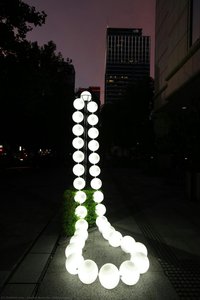
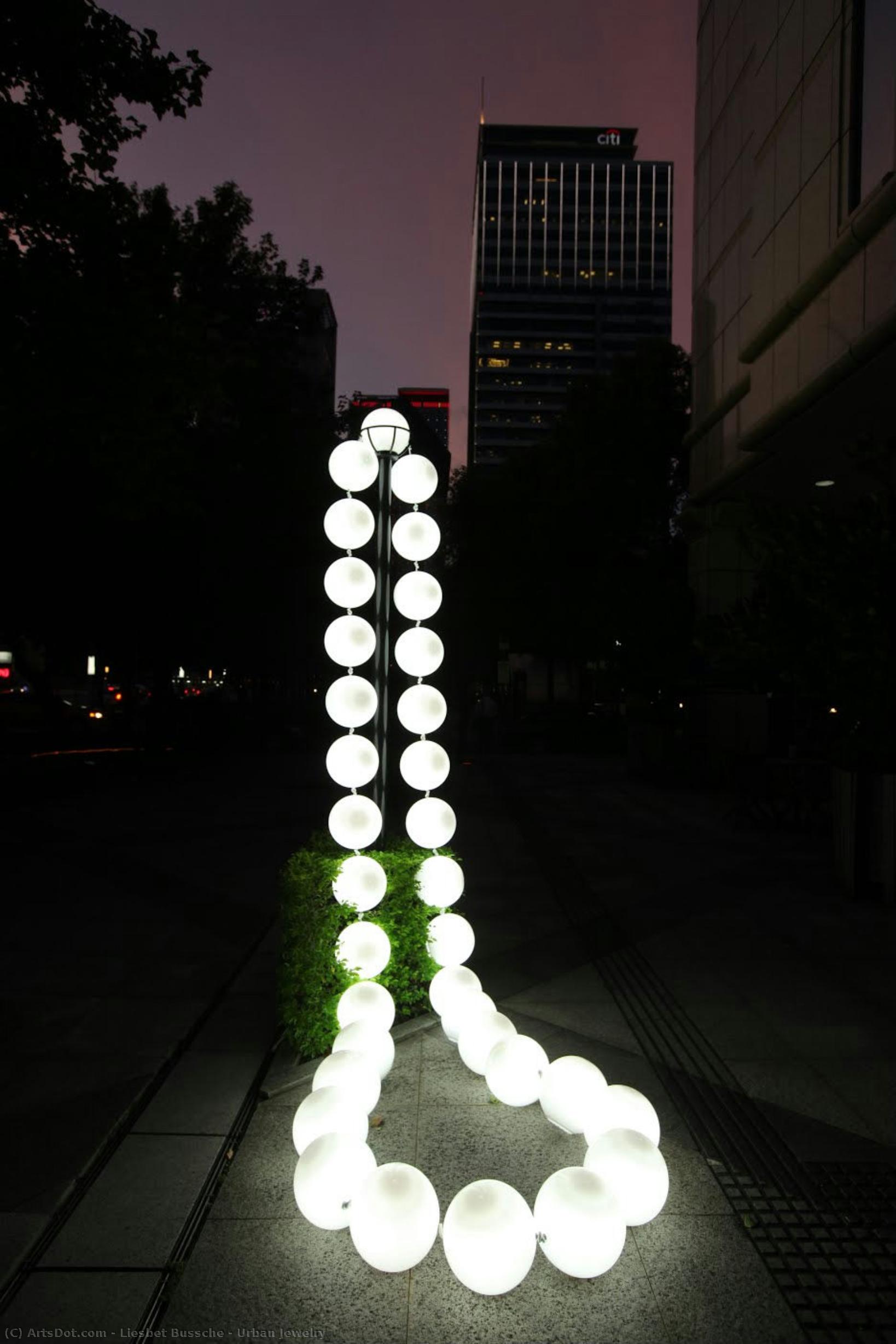
Urban Jewelry

 Read More
Hand Made Oil Reproduction
Hand-painted oil on canvas in your size and frame, made to order by our artists. ( Buy Print Buy Image)




































Pick from our preset sizes that match the artwork's original proportions.

You may enter your own dimensions to fit a specific frame or space. If your selected size does not match the original image's proportions, we will either crop the artwork or extend the painting with additional hand-painted elements. A digital mockup will be sent for your approval before production begins.
Please note that the on-screen preview does not reflect the actual cropping or extension. Only the mockup will accurately show the final composition.
While custom sizes are available, we recommend selecting a dimension from the predefined list to preserve the original proportions.
After order, ArtsDot.com team will email client for instructions and provide a mockup preview
Worldwide Delivery () in 3/4 weeks instead of standard 5 weeks. (29 August). No compromise on quality.

Free Worldwide Express Shipping

High-Quality Linen Canvas

Full Shipping Insurance

Customs Tax Refund Guarantee

True Color Matching Guarantee

60-Day Return Policy (Defects Only)

100% Money-Back Guarantee

Bulk Discount Offer
 Glass option is only available in size under 110 CM

Urban Jewelry
Reproduction Medium
Reproduction Size
-


Total Price
$ 263
Related Artworks




Artist Biography
A Cartography of Connection: The Worldly Art of Liesbet Bussche
Liesbet Bussche, born in Antwerp, Belgium, in 1980, is an artist whose work quietly yet profoundly redefines the boundaries of jewelry. To call her a jeweler feels both accurate and incomplete; she’s more accurately described as a spatial practitioner, a researcher of social systems, and a cartographer of connection. Bussche doesn't merely *make* objects—she initiates dialogues, proposes alternative modes of exchange, and subtly challenges our understanding of adornment within the broader context of public life.
Her artistic journey began with formal training in Jewellery Design at both St. Lucas School of Arts in Antwerp and the Gerrit Rietveld Academie in Amsterdam. This foundational education instilled a meticulous attention to craft, but it was during her time in Amsterdam that Bussche’s practice truly began to blossom beyond traditional notions of precious materials and individual expression. She became fascinated by the performative aspects of jewelry—how it functions as a social signal, a marker of identity, and a catalyst for interaction. This curiosity led her away from the confines of the studio and into the public sphere.
From Studio to Street: Expanding the Language of Jewelry
Bussche’s early work often involved interventions in urban spaces. She created temporary “jewelry” installations using everyday materials—found objects, printed matter, even edible elements—and offered them freely to passersby. These weren't gifts in the conventional sense; they were invitations to participate in a fleeting exchange, a momentary disruption of routine. This practice wasn’t about creating beautiful things for private ownership but about fostering ephemeral connections and questioning the value systems that govern our interactions with objects and each other. She began to explore how jewelry could be less about personal display and more about collective experience.
This exploration evolved into a broader investigation of public space as a site for artistic intervention. Bussche’s installations often respond directly to their environment, incorporating the architecture, history, and social dynamics of a particular location. Her work isn't imposed *on* a place but emerges *from* it—a sensitive reading of context translated into subtle yet impactful gestures.
Research as Practice: Unraveling Social Meanings
Central to Bussche’s artistic process is rigorous research. She delves into the historical and cultural significance of jewelry, examining its role in rituals, trade networks, and power structures. This scholarly approach isn't confined to academic texts; it extends to ethnographic observation, interviews with jewelers and collectors, and a deep engagement with the material culture of different communities.
Her research culminated in publications like ‘The Why of Diamonds’ (co-authored with Irma Foldenyi), which critically examines the diamond industry from both an economic and social perspective. This work exemplifies Bussche's commitment to uncovering the hidden narratives behind seemingly innocuous objects, revealing the complex web of relationships that underpin our consumer culture.
Contemporary Relevance & Ongoing Exploration
Currently based in Amsterdam, Liesbet Bussche continues to push the boundaries of her practice as both an artist and a researcher. She holds positions at PXL-MAD Research and Rietveld Sandberg Research, further solidifying her commitment to interdisciplinary inquiry. Her work has been exhibited internationally, including Artelli Gallery in Antwerp, demonstrating a growing recognition of her unique contribution to contemporary art.
Bussche’s significance lies not only in the originality of her artistic interventions but also in her ability to challenge conventional notions of value and exchange. In an era defined by mass production and consumerism, she offers a compelling alternative—a vision of jewelry as a tool for social connection, a catalyst for dialogue, and a means of reclaiming public space. Her work reminds us that adornment is not merely about self-expression but about the intricate relationships we forge with each other and the world around us.

liesbet bussche
1980 - , Belgium
Quick Facts
- Artistic Movement Or Style: Contemporary jewelry/Installation
- Current City: Amsterdam
- Date Of Birth: 1980
- Full Name: Liesbet Bussche
- Nationality: Belgian
- Notable Artworks: ['Urban Jewelry']
- Place Of Birth: Antwerp, Belgium
- Research Fields: ['Social meaning adornment']