Showing 6 artworks with Adriaen Isenbrant and with artwork date before 1523 and with artwork date after 1513

-
Adriaen Isenbrant
-
-1523
-
1513+
Not available for this selection
- Phthalo Green
- Black
- Adriaen Isenbrant
- Northern Renaissance Art
- Religious Iconography
- 16Th Century Art
- Flemish Painting
- Annunciation Painting
- Renaissance Oil Painting
- Dark Red Colors
- Fine Arts Image Database
- Portraiture Art
- Nativity Scene
- Christian Religious Art
- Triptych Painting
- Chiaroscuro Masterpiece
- Oil Painting Gold
- Humble Gesture
- Devotional Painting Style
- Dark Colors
- Renaissance Devotional Decor
- Balance Scale Art
- Devotional Artwork
- Haarlem Artist Prints
- 1520S Art Reproduction
- Portraiture
- "Northern Renaissance
- 16Th Century Painting
- "Madonnina
- Oil Paint Technique
- Adriaen Isenbrant Art
- Catholic Altar Piece Gift
- "Mary
- Baroque Style
- Historical Portrait
- Dramatic Lighting Art
- Early Netherlandish
- "Isenbrant
- Virgin And Child Painting
- Virgin And Child Print
- "Devotion
- 1515 Painting
- "Medieval Art
- "Dolours
- "Bruges
- Rich Colors Painting
- Renaissance Portrait
- Sacred Art Wall Hanging
- "Seven Sorrows
- Paulus De Nigro
- "Classical Influence
- "Christian Iconography
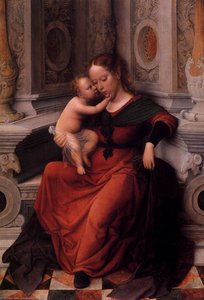
Admire Adriaen Isenbrant’s 1520 ‘Virgin and Child.’ This Renaissance oil painting showcases serene beauty, intricate detail & dramatic lighting. Explore early Netherlandish art's elegance.
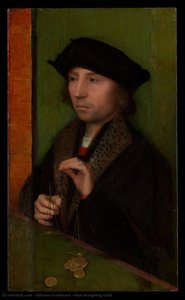
Admire Adriaen Isenbrant’s ‘Man Weighing Gold’ (1515). A rare Renaissance portrait showcasing a Bruges merchant's profession. Explore this masterful oil painting’s rich detail & symbolism.
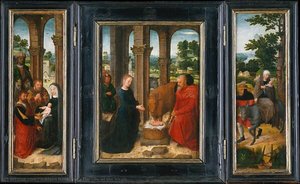
Admire Adriaen Isenbrant’s ‘The Life of the Virgin’ (1521). A small, exquisite triptych showcasing Early Netherlandish Mannerism & devotional scenes. Explore rich detail & dramatic lighting.
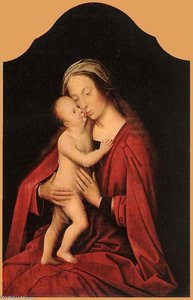
Experience the dramatic chiaroscuro of Isenbrant's Virgin and Child, a masterpiece of Northern Renaissance piety; discover this timeless devotional art today.
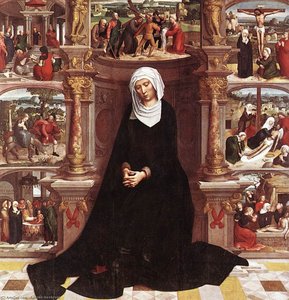
Magnificent Bruges masterpiece! Adriaen Isenbrant’s "Our Lady of the Seven Sorrows" portrays Mary's profound grief with masterful detail and Renaissance influence—a poignant exploration of faith and suffering.