Showing 5 artworks with David Teniers The Younger and with 1640 and with Flemish Art
-
David Teniers The Younger
-
1640
-
Flemish Art
Not available for this selection
- Phthalo Green
- Espresso
- Quinacridone Magenta
- Clay
- Putty
Not available for this selection
- Flemish Art
- Genre Painting
- Baroque Painting
- Portraiture
- Oil Painting
- David Teniers
- Tavern Scene
- Art Collection Catalog
- Antwerp Baroque
- Renaissance Painting
- 17Th Century
- Teniers
- Symbolism
- Candlelight Interior
- Panel Painting
- Village Celebration
- Fine Art Reproduction
- Rich Colors
- Genre Scene
- Gallery Interior
- Kunstkammer Style
- Fine Arts Reproduction
- Dark Colors
- Wall Art Decor
- Decorative Art
- Renaissance Prints
- Flemish Baroque
- Antwerp
- Cave
- Lively
- Elegant Artwork
- Detailed
- Oil Painting Reproduction
- Historical
- Dutch Golden Age
- Luxury Gift
- Painting Detail
- Religious
- David
- Antique Print
- Archduke Leopold Wilhelm
- Dutch Baroque
- 1640S
- Painting
- Baroque
- 17Th Century Flemish Art
- Traditional Architecture
- Kermess Scene
- Inn
- Renaissance Art
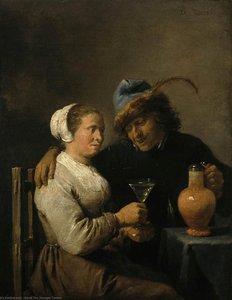
David Teniers the Younger’s Tavern Scene captures the vibrant spirit of Antwerp's Baroque era with masterful brushwork and dramatic lighting—a stunning glimpse into 17th-century Flemish life. Explore this exquisite reproduction by Rubens’ protégé and bring a touch of aristocratic elegance home.
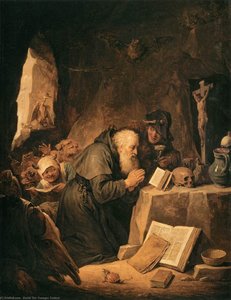
David Teniers the Younger's "The Temptation of St. Anthony" (1640) depicts a solitary figure wrestling with temptation in an evocative cave setting. Explore this captivating Baroque masterpiece, rich in symbolism and detail.
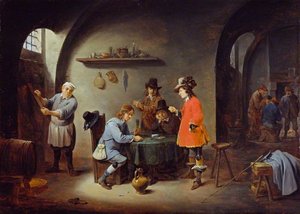
A vibrant Baroque scene from David Teniers the Younger's 'Gambling Scene at an Inn,' depicting lively tavern patrons and rich details of 17th-century Antwerp life.
David Teniers the Younger (1610-1690) was a Flemish Baroque painter who honed his skills under Rubens, producing genre scenes reflecting everyday life in Flanders. Explore his legacy!
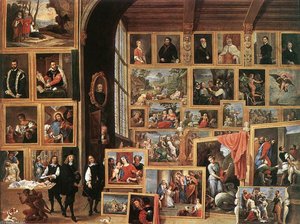
The artwork's significance lies in its role as a pioneering art catalog—the first illustrated publication—and its contribution to documenting Archduke Leopold Wilhelm’s impressive collection. Its presence at Petworth House and the Museo del Prado underscores its enduring legacy.