Showing 24 artworks out of 136 with Katsushika Hokusai and with Landscape Painting
-
Katsushika Hokusai
-
Landscape Painting
Not available for this selection
- Japanese Ukiyo-E
- Japanese Landscape Painting
- Impressionism
- Ukiyo-E
- Impressionistic Landscape
- Japanese Landscape Printmaking
- Japanese Printmaking
- Japanese Landscape
- Japanese Landscape Print
- Japanese Expressionism
- Japanese Ukiyo-E Tradition
- Impressionistic Landscape Painting
- Japanese Watercolor
- Japanese Edo Period
- See all
- Putty
- Rosy Brown
- Gray
- Espresso
- Driftwood
- Sap Green
- Prussian Blue
- Phthalo Green
- Khaki
- Sea Green
- Quinacridone Magenta
- Clay
- Celadon
Not available for this selection
- Landscape Painting
- Japanese Art
- Edo Period
- Hokusai
- Ukiyo-E Print
- Fine Art Reproduction
- Tranquility
- Woodblock Printing
- Edo Period Art
- Impressionism Influence
- Japanese Culture
- Woodblock Print
- Mount Fuji
- Katsushika Hokusai
- Impressionism
- Nineteenth Century Art
- Watercolor
- Traditional Art
- Scenic View
- Hokusai Masterpiece
- Ukiyo-E Prints
- Serene Beauty
- Traditional Japanese Art
- Ukiyo-E
- Japanese Prints
- Printmaking
- Fine Art Print
- Serene Scene
- Japanese Aesthetics
- Traditional Japanese
- Hokusai Artwork
- Hokusai Prints
- Symbolic Imagery
- Floral Arrangement
- Wave Motif
- Watercolor Technique
- Hokusai Painting
- Watercolor Style
- Japanese Impressionism
- Serene Composition
- Floral Composition
- Great Wave Kanagawa
- Impressionist Influence
- Zen Garden
- Hokusai Print
- Mount Fuji Landscape
- Dynamic Composition
- Japanese Landscape
- Nature Scene
- Nature Art
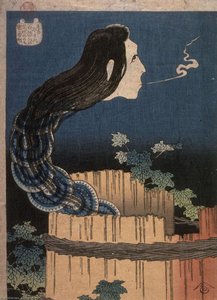
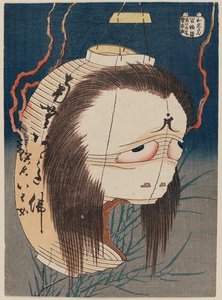
This print, titled "The Mansion of the Plates (Sara yashiki)" from Hokusai's renowned One Hundred Ghost Tales series (1831–32), portrays Okiku’s vengeful spirit haunting her former employer. Executed in vibrant Prussian blue pigment—a color symbolizing death and occultism—the artwork captures a chilling tale of retribution. Produced by Kuroda Bakufu, this exquisite chuban exemplifies Hokusai's mas
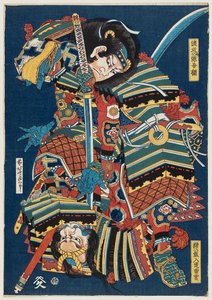
Katsushika Hokusai The image is a painting of a man in traditional Japanese clothing, possibly a samurai or warrior. He is holding two swords, one on each side, and appears to be wearing a helmet. The man's face is not visible, but his body is adorned with various patterns and designs. The painting features a blue background that contrasts nicely with the vibrant colors of the man's clothing and
Katsushika Hokusai (1760-1849), a titan of ukiyo-e, relentlessly pursued artistic mastery from humble beginnings. His legacy includes iconic prints like 'The Great Wave' and profound influence on Western art. Created during the Edo period, this artwork embodies Japan’s fascination with nature and reflects Hokusai’s innovative approach to landscape painting. Executed in ukiyo-e style (woodblock p
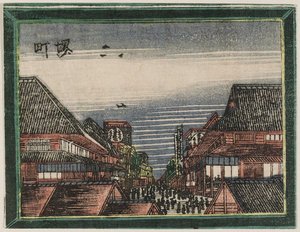
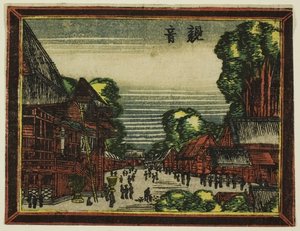
Katsushika Hokusai's *The Precincts Of The Kinryûzan Temple Of Kannon At Asakusa* and *Inside the Courtyard of the Toeizan Temple at Ueno*, alongside *The Great Wave off Kanagawa*, exemplify his masterful use of perspective and detail to portray Edo-period Japan. Born in Tokyo around 1760, Hokusai relentlessly pursued artistic excellence from a young age, demonstrating unwavering dedication to his
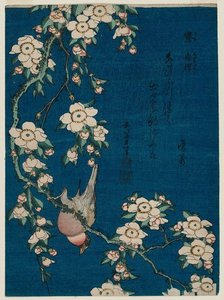
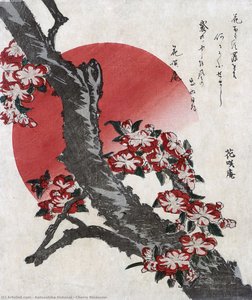
Experience the serene beauty of cherry blossoms captured in Hokusai’s masterful painting – a stunning reproduction showcasing vibrant blooms against a celestial backdrop.
Katsushika Ōi (葛飾 お栄), born around 1800 and died c. 1866, was a prolific Japanese ukiyo-e artist who served as an apprentice to her renowned father, Katsushika Hokusai. Known for her exquisite bijin-ga paintings depicting beautiful women—such as ‘Yoshiwara Night Scene’ and ‘Beauty of Spring Night’—Ōi achieved considerable acclaim during the Edo period. Her artistic journey was marked by collaborat
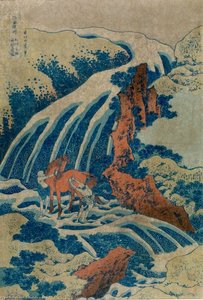
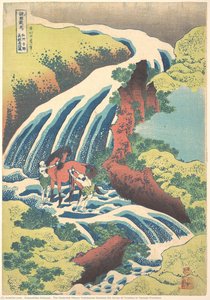
This stunning print depicts Yoshino Waterfall, showcasing Hokusai's innovative use of Prussian blue and capturing the grandeur of nature alongside a poignant narrative about pilgrimage and spiritual contemplation. Experience Hokusai's iconic "Yoshitsune’s Horse-washing Falls," part of his groundbreaking series exploring Japan's waterfalls and symbolizing resilience. Admire its vibrant colors & ma
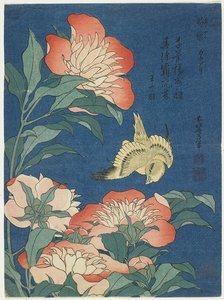
Experience the serene beauty of Katsushika Hokusai's 'Peonies And Canary,' a captivating watercolor painting depicting a bird perched atop vibrant peony blossoms – a timeless masterpiece reflecting Japanese artistic tradition.
Featured in Harvard Art Museums’ collection, this artwork showcases Hokusai's enduring influence on Impressionism and continues to inspire admiration for its serene beauty.
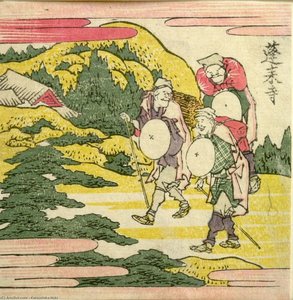
Men Traveling The Utsu No Ya Pass - Katsushika Hokusai's serene depiction captures the beauty of Japanese tradition amidst evolving societal influences, showcasing masterful realism blended with expressive brushwork.
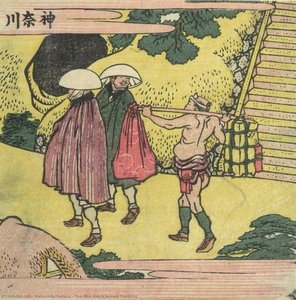
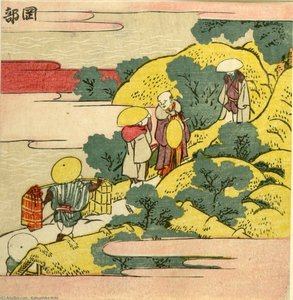
Admire Katsushika Hokusai's iconic 'Three Men Traveling Along A Cliff,' part of the Exhaustive Illustrations of the Fifty-Three Stations of the Tōkaidō series, showcasing masterful detail and capturing the spirit of Japanese landscape art.
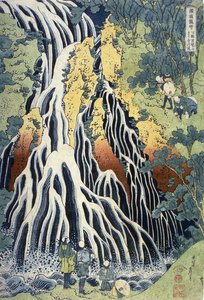
Experience the breathtaking beauty of Katsushika Hokusai's 'Kirifuri Waterfall At Mount,' a serene landscape painting capturing the majesty of Japan’s natural wonders and showcasing masterful artistic technique.
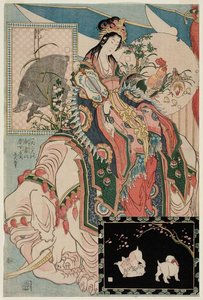
This artwork, titled ‘First Dream Of The New Year,’ showcases a captivating scene of two women engaging in New Year customs – one binding a treasure ship image to her pillow for good fortune dreams, while the other washes her face with fresh water to dispel evil spirits. Created around 1825 during Hokusai’s prolific period, this print exemplifies his masterful use of bold lines and vibrant colors,
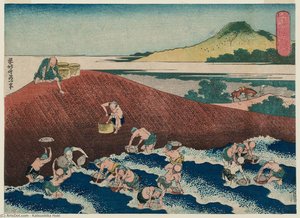
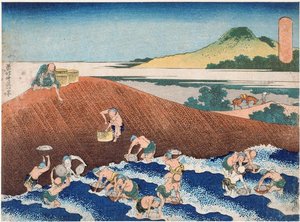
‘Fishing in the River Kinu’ is a stunning ukiyo-e print by Katsushika Hokusai, showcasing a picturesque scene of fishermen casting nets in a flowing river. Inspired by Impressionism, this artwork embodies Japanese tradition and artistic excellence. Experience the serene beauty of Katsushika Hokusai's 'Fishing in the River Kinu,' a captivating ukiyo-e masterpiece depicting fishermen amidst a tranq
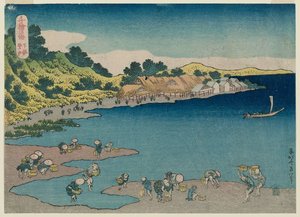
This artwork, ‘Noborito In Shimōsa Province,’ exemplifies Katsushika Hokusai’s mastery of ukiyo-e prints. Executed around 1833 during the Edo period, it depicts a lively beach scene featuring fishermen and individuals enjoying the ocean's beauty. Published by Moriya Jihei (Kinshindô), this horizontal chûban print showcases meticulous ink and color techniques on paper. Recognized as one of Hokusai’
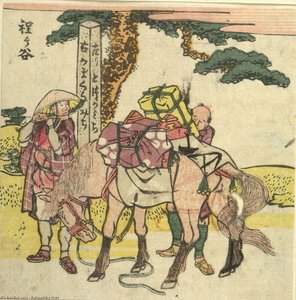
“Men Loading A Horse” by Katsushika Hokusai exemplifies Zen Buddhist principles of simplicity and contemplation through masterful *ukiyo-e* technique, capturing Mount Fuji’s majesty and symbolizing harmonious human interaction with nature.
Katsushika Ōi (葛飾 お栄), daughter of the renowned Hokusai, was a prolific ukiyo-e artist who honed her skills under Torin III and collaborated closely with her father on numerous projects. Known for her exquisite bijin-ga paintings depicting idealized female figures—such as *Kinuta or Beauty Fulling Cloth in the Moonlight*, *Yoshiwara Night Scene*, and *Mount Fuji through a Bamboo Forest*—Ōi achieve
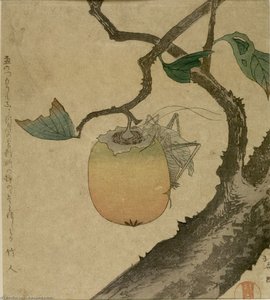
Experience the serene beauty of Katsushika Hokusai's 'Persimmon And Cicada,' a captivating black and white print depicting a ripe apple tree and a resting cicada – a timeless masterpiece.