Showing 5 artworks with Titian and with 1512 and with Renaissance

-
Titian
-
1512
-
Renaissance
Not available for this selection
- Black
- Espresso
- Clay
- Venetian Art
- Italian Renaissance
- Angels
- Renaissance Art
- Humanism
- Oil Painting
- Titian Vecellio
- Titian Painting
- Oil On Canvas
- Titian
- Religious Iconography
- Gift For Artist
- Portraiture Masterpiece
- Luxury Decor
- Detail
- Classical Style
- Three Ages Man
- Italian Art
- Historical Portrait
- Portraiture Style
- Jesus Christ
- Color
- Italian Painting
- Elegant Wall Art
- Art Masterpiece
- Black And Brown Tones
- Symbolic Representation
- Quiet Dignity
- Cap And Gloves Art
- Allegory
- Renaissance Portrait
- Bronze Trophi
- Allegorical Art
- Noli Me Tangere
- Noble Attire
- Oil Paint
- Color Palette
- Dark Chiaroscuro
- Ages Of Man
- Biblical Art
- Dark Background
- Venice
- Masterpiece
- Renaissance
- Mary Magdalene
- Painting
- Chiaroscuro
- 1512
- Chalcedony Sculpture
- Titian Portrait
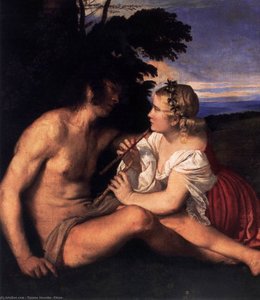
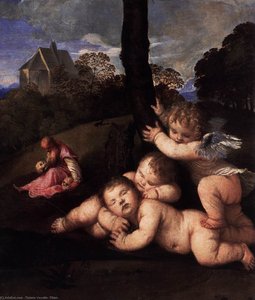
Witness the profound 'Three Ages of Man' by Titian (1512). Explore allegorical figures representing infancy, youth, and old age, masterfully rendered in rich color & detail. A timeless Renaissance masterpiece.
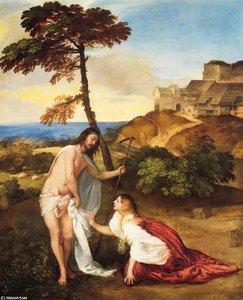
Considered Titian’s most important work, 'Noli me tangere' showcases his mastery of color theory and emotional expression. It is studied extensively by art historians and continues to inspire admiration for its artistic brilliance.
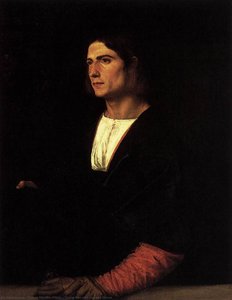
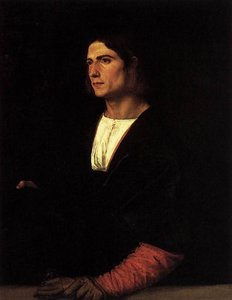
Titian’s masterful High Renaissance portrait captures quiet dignity and intelligence in ‘Young Man with Cap and Gloves,’ showcasing Venetian colorism at its finest—a timeless piece to explore or cherish.
Discover Titian’s ‘Young Man with Cap & Gloves’! A stunning 1512 Renaissance portrait showcasing chiaroscuro & masterful technique. Explore its beauty & significance.
This unfinished statuette, likely intended for a cabinet, showcases Titian’s masterful use of chalcedony and bronze to portray the cycle of human life – infancy, youth, and old age – symbolized by three babies and angels amidst a pastoral setting. Inspired by Giorgione's legacy, this poignant piece reflects humanist ideals and exemplifies Renaissance artistic innovation.