 Preview
 Send
Send Share
Share
 Details

 Download
 Similars
 X-Ray
X-Ray Diaporama
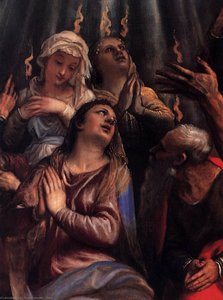
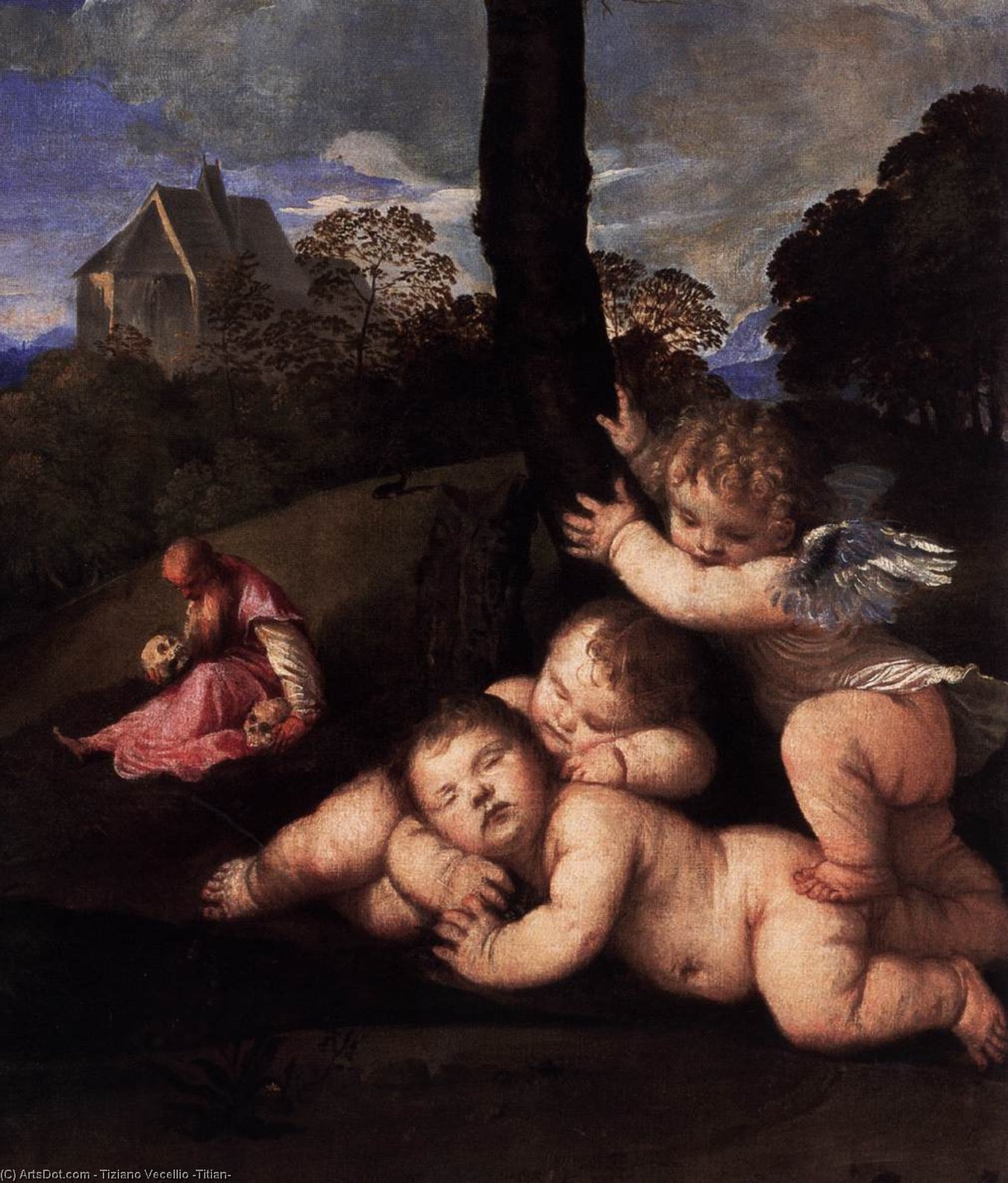
The Three Ages of Man (detail)


 Read More
Hand Made Oil Reproduction
Hand-painted oil on canvas in your size and frame, made to order by our artists. ( Buy Print Buy Image)




P118B $10

P118H $10

P118W $10

P438Z $10

P508JH $12

P508YH $12

P805H $10

P805Z $10

P919BZ $10

P919G $10

P919XJ $10

P959ZH $10

P968JZ $12

W106C $8

W218G $10

W218JH $8

W218Y $10

W307PJ $10

W316G $10

W316PJ $8

W316Y $10

W398PJ $8

W4111J $10

W500HY $15

W500JH $15

W692G $12

W849H $8

W940BG $15

W953PJ $8




Pick from our preset sizes that match the artwork's original proportions.

You may enter your own dimensions to fit a specific frame or space. If your selected size does not match the original image's proportions, we will either crop the artwork or extend the painting with additional hand-painted elements. A digital mockup will be sent for your approval before production begins.
Please note that the on-screen preview does not reflect the actual cropping or extension. Only the mockup will accurately show the final composition.
While custom sizes are available, we recommend selecting a dimension from the predefined list to preserve the original proportions.
After order, ArtsDot.com team will email client for instructions and provide a mockup preview
Worldwide Delivery () in 3/4 weeks instead of standard 5 weeks. (17 August). No compromise on quality.

Free Worldwide Express Shipping

High-Quality Linen Canvas

Full Shipping Insurance

Customs Tax Refund Guarantee

True Color Matching Guarantee

60-Day Return Policy (Defects Only)

100% Money-Back Guarantee

Bulk Discount Offer
 Glass option is only available in size under 110 CM

The Three Ages of Man (detail)
Reproduction Medium
Reproduction Size
-


Total Price
$ 263
Artwork Description
A Timeless Meditation on Life’s Stages: Titian's "The Three Ages of Man"
Titian’s “The Three Ages of Man,” a captivating detail from an unfinished statuette, offers a profound and enduring meditation on the cyclical nature of human existence. Completed around 1512 during the Venetian Renaissance, this exquisite work transcends mere representation; it's a poignant exploration of infancy, childhood, and adulthood, rendered with Titian’s signature mastery of color and form. The piece, originally intended as an exterior element for a cabinet, reveals a remarkable blend of materials – hard chalcedony for the heads, hands, and feet, bronze flags and military trophies, and a wooden armature – all meticulously assembled in 1952, highlighting the enduring appeal of this artistic vision.
The central focus is undeniably the trio of babies, each positioned to embody a distinct stage. The first, lying supine on its back, represents the blissful innocence of infancy, a period defined by complete dependence and vulnerability. Next, a child sits upright, symbolizing the burgeoning curiosity and developing awareness of childhood – a time of learning, exploration, and nascent independence. Finally, a standing figure grasps at a tree branch, signifying adulthood: a moment of strength, resilience, and connection to the natural world. The deliberate positioning of these figures within a serene outdoor setting, bathed in the soft light suggested by the blue sky, elevates the scene beyond a simple depiction of childhood; it becomes an allegory for the human journey.
The Genius of Titian: Technique and Materiality
Titian’s genius lay not just in his ability to capture likeness but in his revolutionary approach to color. He was a pioneer in oil painting, utilizing thick impasto layers to achieve unprecedented luminosity and vibrancy – qualities immediately apparent in this detail. The chalcedony sculpture itself is a testament to the skill of Torricelli, a specialist renowned for his work with semiprecious stones. The use of bronze adds another layer of richness and texture, while the wooden armature provides structural integrity. This careful orchestration of materials—stone, metal, and wood—creates a tactile experience that invites close observation.
Notice the subtle gradations in color – the delicate pinks and blues of the babies’ skin contrasting with the darker tones of the background. Titian's masterful handling of light and shadow imbues the scene with a sense of depth and realism, while simultaneously lending it an ethereal quality. The bronze flags and trophies, though small, are rendered with meticulous detail, suggesting the grandeur and ambition that often accompany human endeavors.
Historical Context and Symbolism
"The Three Ages of Man" reflects the humanist ideals prevalent during the High Renaissance. It’s a visual representation of philosophical concepts explored by thinkers like Plato and Aristotle, who contemplated the stages of human development and the pursuit of virtue. The scene can be interpreted as a reminder of our own mortality and the importance of embracing each stage of life with grace and wisdom. The angels subtly positioned on either side further enhance this symbolic reading, representing divine guidance and protection throughout the journey from birth to maturity.
Created in Venice around 1512, this work stands as a powerful example of Titian’s influence on subsequent generations of artists. His ability to infuse religious or mythological subjects with profound emotional resonance cemented his place as one of the most important figures in art history. This detail offers a rare glimpse into the mind of a master, inviting us to contemplate the enduring mysteries of human existence.
Related Artworks
Artist Biography
The Venetian Titan: A Life in Color and Canvas
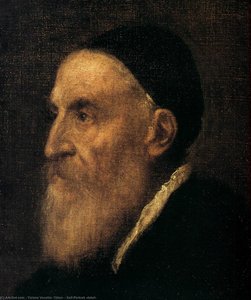
Tiziano Vecellio, known to the world as Titian, stands as a monumental figure of the Italian Renaissance—perhaps its most celebrated colorist and a master who redefined the possibilities of oil painting. Born around 1490 in Pieve di Cadore, nestled amidst the dramatic landscapes of the Venetian Alps, his journey from humble beginnings to international acclaim is a testament to prodigious talent and an unwavering dedication to artistic innovation. The details surrounding Titian’s early life remain somewhat shrouded in mystery, but we know he was one of several children born to Gregorio Vecellio, a military man, and Lucia. Recognizing their sons' potential, the family arranged for young Tiziano and his brother Francesco to apprentice with an artist in Venice—a decision that would irrevocably alter the course of art history.
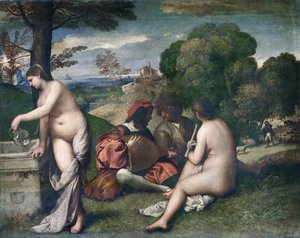
Venice at the turn of the 16th century was a vibrant hub of commerce, culture, and artistic ferment. Titian’s initial training took place within the workshop of Sebastiano Zuccato, a mosaicist, followed by brief periods under the tutelage of Gentile Bellini and, crucially, his brother Giovanni. However, it was his association with Giorgione—a fellow Venetian painter whose work possessed an ethereal poetic quality—that proved most formative. The two artists collaborated on several projects, including the exterior frescoes for the Fondaco dei Tedeschi, a bustling trading post for German merchants. Even in these early works, Titian’s exceptional skill was evident, earning him recognition among his contemporaries and foreshadowing the brilliance that would soon blossom.
A Master's Evolving Style
Titian’s artistic development can be characterized by a remarkable versatility and an ongoing exploration of painterly techniques. His early works, heavily influenced by Giorgione, exhibit a delicate lyricism and a masterful use of color to create atmospheric effects. Paintings like *A Man with a Quilted Sleeve* (circa 1509) demonstrate his emerging talent for portraiture, capturing not only the physical likeness of his subjects but also their inner character. As he matured, Titian began to move away from Giorgione’s subtle tonalities and embrace a bolder, more dramatic approach to color. *The Visitation of Mary and Elizabeth* (now in the Accademia, Venice) exemplifies this shift, showcasing his growing confidence in handling complex compositions and vibrant hues.
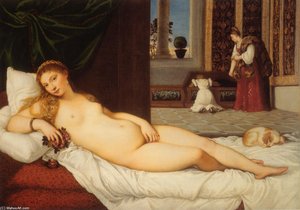
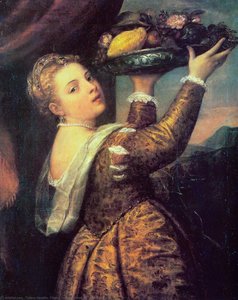
Throughout his long career, Titian consistently pushed the boundaries of artistic expression. He experimented with different brushstrokes—from smooth, blended surfaces to loose, expressive marks—and developed a unique technique for layering colors to create luminous effects. His portraits became renowned for their psychological depth and realistic portrayal of textures and fabrics. Simultaneously, he excelled in mythological and religious subjects, imbuing them with a sensuality and dramatic intensity that captivated audiences. A prime example is *Venus of Urbino*, a masterpiece that redefined the depiction of the female nude and established Titian as a leading figure in Venetian painting.
Patronage, Prestige, and Lasting Influence
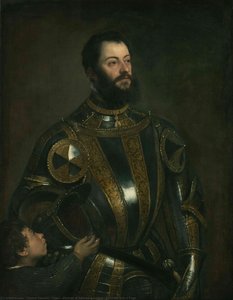
Titian’s talent attracted the attention of powerful patrons from across Europe. He served as court painter to Emperor Charles V, King Philip II of Spain, and Pope Paul III, among others. This patronage not only provided him with financial security but also allowed him to create monumental works that showcased his artistic prowess on a grand scale. His ability to adapt his style to the tastes of different courts while maintaining his own distinctive voice is a testament to his exceptional skill and diplomatic finesse.
The impact of Titian’s work extended far beyond his lifetime. His innovative use of color, his loose brushwork, and his emphasis on capturing the emotional essence of his subjects profoundly influenced generations of artists. From Peter Paul Rubens and Rembrandt to Eugène Delacroix and Édouard Manet, countless painters drew inspiration from his masterpieces. He is considered a pivotal figure in the transition from the High Renaissance to the Baroque period, paving the way for new artistic styles and approaches.
A Legacy Enduring Through Centuries
Titian passed away in Venice in 1576, leaving behind an extraordinary body of work that continues to inspire awe and admiration. His paintings can be found in museums around the world, including the Galleria Palatina in Florence, the Prado Museum in Madrid, and the National Gallery in London. To experience a Titian is to encounter a master craftsman at the peak of his powers—a painter who possessed an unparalleled ability to capture the beauty, drama, and complexity of the human condition.
Exploring Further
- Museums & Collections: Discover Titian’s works at the Scuola del Santo in Padua and San Salvador in Venice, both showcasing his breathtaking frescoes.
- Related Artists: Explore the influence of Giorgione on Titian's early style and the later impact of Titian on artists like Rubens and Delacroix.
- Historical Context: Immerse yourself in the world of the Italian Renaissance and Venetian painting to fully appreciate Titian’s artistic achievements.
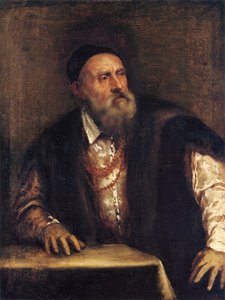
Titian
1490 - 1576 , Italy
Quick Facts
- Artistic Movement Or Style: Renaissance, Venetian painting
- Artists Or Movements Influenced By This Artist:
- Western artists
- Late Italian Renaissance
- Artists Who Influenced This Artist:
- Giovanni Bellini
- Giorgione
- Date Of Birth: c. 1490
- Date Of Death: 1576
- Full Name: Tiziano Vecellio
- Nationality: Italian
- Notable Artworks:
- A Man with a Quilted Sleeve
- The Visitation
- Bearded Young Man
- Place Of Birth: Pieve di Cadore, Italy
Related Articles

Bronze Age to Modern Masters: 10 Sculptures That Redefined Art | ArtsDot
Journey through art history with 10 legendary bronze sculptures – from Michelangelo's David to Rodin’s Thinker. Explore the stories, techniques & timeless beauty of these masterpieces. Find museum-quality reproductions & elevate your home decor on ArtsDot.com.

Bronze Sculptures That Defined Art History | ArtsDot
Journey through art history with our Top 10 bronze sculptures! Explore masterpieces by Rodin, Michelangelo & more. Discover stories behind iconic statues and find museum-quality reproductions for your home decor at ArtsDot.com.

The Enduring Legacy of Bronze: A Historical & Artistic Exploration for the Collector
Explore the rich history & enduring appeal of bronze sculpture with expert insights for collectors at ArtsDot. Learn about casting techniques, iconic artists, collecting tips & contemporary interpretations.
The Enduring Legacy of Bronze: History, Technique & Artistic Expression for the Collector
Explore the rich history & enduring appeal of bronze sculpture with expert insights for collectors at ArtsDot. Learn about casting techniques, iconic artists, and collecting tips.

The Enduring Legacy of Bronze Sculpture: A Collector's Guide to Form & Cultural Significance
Explore the rich history & enduring appeal of bronze sculpture with expert insights for collectors at ArtsDot. Learn about casting techniques, iconic artists, and collecting tips to build a discerning art collection.