
A History Forged in Time: The Origins & Evolution of Bronze Sculpture
 The Enduring Legacy of Bronze Sculpture: History, Techniques & Contemporary Interpretations
Explore the rich history & enduring appeal of bronze sculpture. Learn about casting techniques, iconic artists, collecting tips, & contemporary interpretations. Expert insights for discerning art collectors.
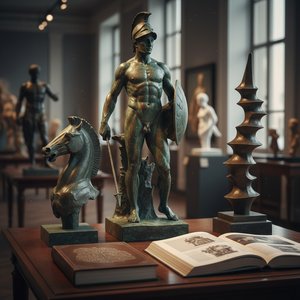
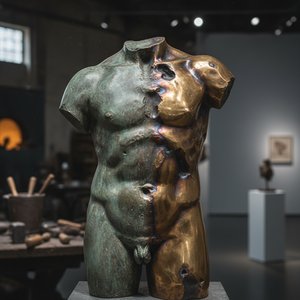
The allure of bronze—its warm, enduring glow, its capacity for intricate detail, and the sheer weight of history it embodies—has captivated civilizations for millennia. Unlike stone, which is subtractively carved, bronze allows for an additive process, a building up of form through molten fluidity. The earliest examples, dating back to around 4500 BC with gold artifacts discovered in Bulgaria’s Varna Necropolis and copper works from the Indus Valley Civilization, hint at a nascent understanding of metallurgy and its artistic potential. These weren't merely decorative objects; they were imbued with ritualistic significance, testaments to early beliefs about life, death, and the divine. As civilizations rose and fell—Mesopotamia, ancient Greece, Rome—bronze sculpture evolved from rudimentary figures to masterpieces of naturalism and idealized form. The Greeks, particularly, elevated bronze casting to an art form, perfecting techniques like lost-wax casting (cire perdue) that allowed for unprecedented complexity and realism. Think of the iconic Riace bronzes, their muscular bodies frozen in a moment of timeless power—a testament to the skill of ancient artisans.
The Romans continued this tradition, often replicating Greek models but also developing their own distinct style, favoring portraiture and narrative scenes that celebrated imperial power. However, with the fall of Rome, much of this knowledge was lost or fragmented, only to be rediscovered and refined during the Renaissance. Artists like Lorenzo Ghiberti, whose bronze doors for the Florence Baptistery (1412) showcase a stunning blend of Gothic influence and emerging Renaissance humanism, demonstrated a renewed mastery of the medium. The rediscovery of classical texts and sculptures fueled a fervent desire to emulate the achievements of antiquity, leading to a golden age of bronze casting.
The Art of Casting: Techniques from Lost-Wax to Modern Methods
 Wikipedia: Lost-wax casting
Lost-wax casting – also called investment casting, precision casting, or cire perdue (French: [siʁ pɛʁdy]; borrowed from French) – is the process by which a duplicate sculpture (often a metal, such as silver, gold, brass, or bronze) is cast from an o...
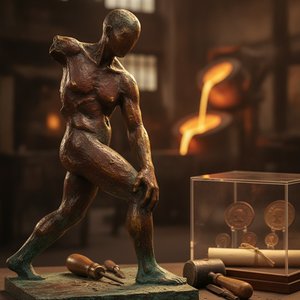
At the heart of bronze sculpture lies the remarkable process of casting—a delicate dance between artistry and technical precision. The lost-wax method, still widely employed today, is a testament to its enduring efficacy. It begins with an original model, typically sculpted in wax. This wax form is then encased in layers of ceramic shell material, creating a mold that captures every nuance of the artist’s vision. Once the ceramic shell has hardened, the wax is melted out—hence “lost-wax”—leaving a hollow cavity into which molten bronze is poured. The bronze cools and solidifies, taking on the shape of the original model. This process isn't without its challenges; controlling the temperature of the metal, preventing air bubbles, and ensuring even distribution are all critical to achieving a successful cast.
Variations exist, such as sand casting, which is often used for larger-scale works. Regardless of the method employed, the finishing process is equally crucial. Chasing—removing imperfections from the surface—welding sections together, and applying patinas are all essential steps in transforming a rough cast into a polished work of art. The patina itself is more than just a cosmetic finish; it’s a chemical reaction that alters the bronze's surface, creating a range of colors and textures that enhance its aesthetic appeal and protect it from corrosion.
Symbolism Embodied: Decoding the Meaning Within Bronze Forms
Bronze sculpture has always been more than just an exercise in technical skill; it’s a powerful medium for conveying meaning and emotion. Throughout history, bronze figures have served as representations of deities, heroes, and historical events. In ancient Greece, statues of gods and goddesses were often placed in temples as objects of worship, embodying ideals of beauty, strength, and wisdom. Roman portraiture celebrated the power and authority of emperors and prominent citizens. During the Renaissance, bronze sculptures frequently depicted religious figures or mythological scenes, reflecting a renewed interest in classical themes.
The symbolism inherent in bronze extends beyond specific subject matter. The material itself—durable, resilient, and possessing a warm, earthy tone—conveys a sense of permanence and gravitas. Artists often exploit these qualities to create works that evoke feelings of awe, reverence, or contemplation. Consider the monumental equestrian statues of Renaissance Italy, which celebrated military victories and civic pride. Or examine the intimate portraits of Rodin, where the bronze surface seems to capture the very essence of human emotion.
Iconic Artists and Masterpieces: A Survey of Influential Sculptors
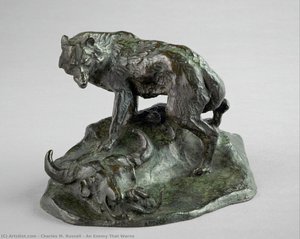 An Enemy That Warns
This detailed analysis delves into ‘An Enemy That Warns,’ a monumental bronze sculpture by C.M. Russell, examining its artistic style, symbolism, materials, provenance, and biographical context within Russell’s life as a cowboy artist and storyteller...
The history of bronze sculpture is punctuated by the achievements of exceptional artists who pushed the boundaries of the medium. From the anonymous masters of ancient Greece to the Renaissance geniuses like Donatello and Ghiberti, each generation has produced sculptors who have left an indelible mark on the art world. C.M. Russell, a cowboy artist whose monumental bronze sculptures capture the spirit of the American West, stands as a testament to the power of storytelling through form. His work, such as “An Enemy That Warns,” is not merely a depiction of a dramatic scene; it’s a window into a bygone era.
Auguste Rodin revolutionized sculpture in the 19th century with his expressive and emotionally charged works. His ability to capture movement, texture, and psychological depth transformed bronze into a vehicle for exploring the complexities of the human condition. More recently, artists like Henry Moore have experimented with abstract forms, challenging traditional notions of representation and pushing the boundaries of sculptural space.
Collecting Bronze: Assessing Value, Provenance & Condition
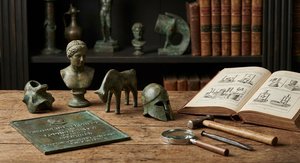 The Enduring Legacy of Bronze: History, Technique & Artistic Expression for the Collector
Explore the rich history & enduring appeal of bronze sculpture with expert insights for collectors at ArtsDot. Learn about casting techniques, iconic artists, and collecting tips.
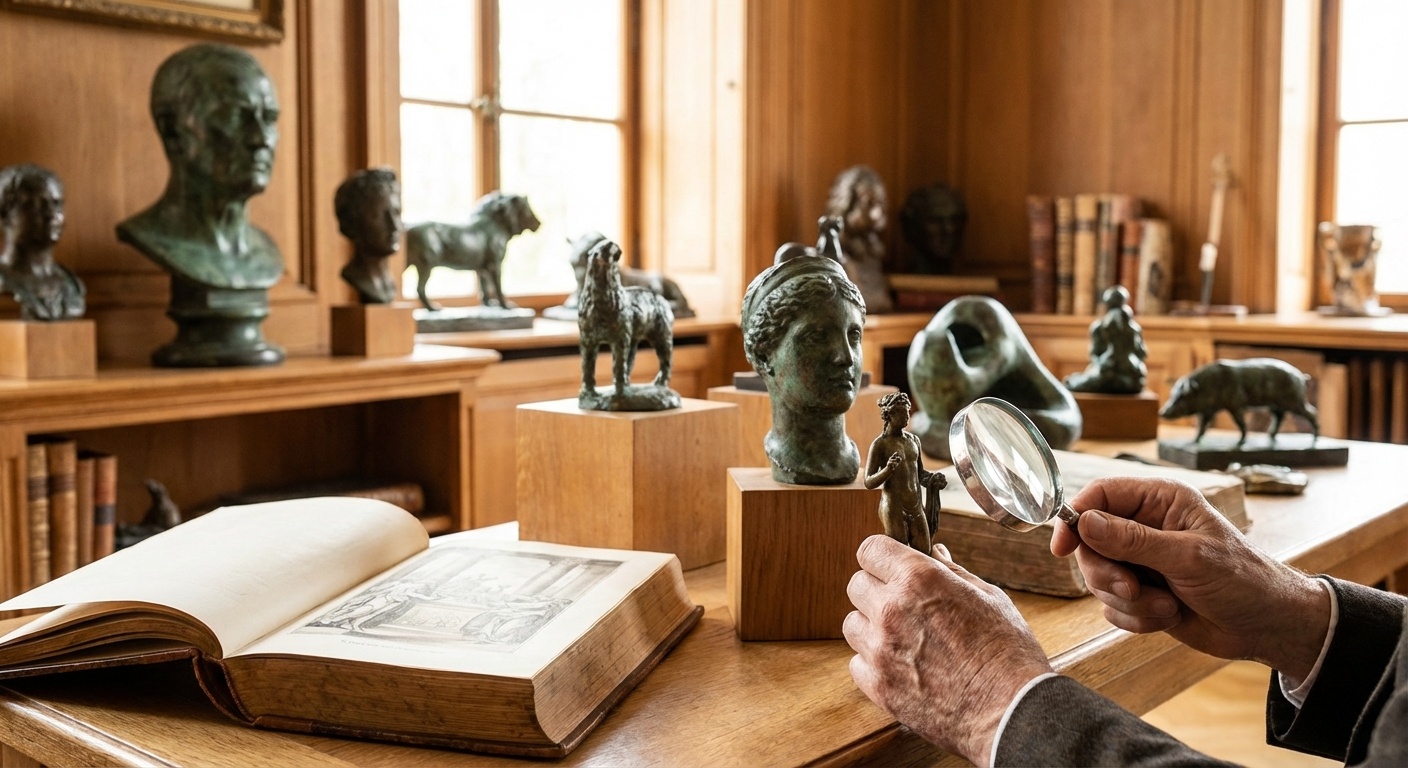
For collectors, acquiring a bronze sculpture is not merely purchasing an object; it’s investing in a piece of history—a tangible connection to artistic tradition. Several factors influence the value of a bronze sculpture, including the artist's reputation, the rarity of the work, its size and complexity, and its provenance (its documented history of ownership). A well-documented provenance adds significant value, assuring authenticity and providing insights into the sculpture’s past.
Condition is also paramount. While a patina can enhance a sculpture’s aesthetic appeal, excessive corrosion or damage can detract from its value. Collectors should carefully examine the surface for cracks, repairs, or alterations. Understanding the casting technique used—lost-wax versus sand casting, for example—can also provide valuable clues about the sculpture’s authenticity and quality. Consulting with an art appraiser is highly recommended before making a significant investment.
Contemporary Interpretations: The Future of Bronze Sculpture
Despite its long history, bronze sculpture remains a vibrant and evolving art form. Contemporary artists continue to explore new techniques and push the boundaries of sculptural expression. From abstract forms that challenge traditional notions of representation to figurative works that address social and political issues, bronze is proving to be a remarkably versatile medium.
The enduring appeal of bronze lies in its ability to connect us to the past while simultaneously offering endless possibilities for innovation. As artists continue to experiment with new materials and techniques, we can expect to see even more exciting developments in the world of bronze sculpture. At ArtsDot.com, we are committed to showcasing both historical masterpieces and contemporary works, providing collectors with access to a diverse range of exceptional sculptures.