


The Eternal Allure: Why Bronze Remains the Pinnacle of Sculptural Expression
In the vast pantheon of artistic mediums, few possess the commanding presence and historical weight of bronze. To encounter a bronze sculpture is to engage with a material that breathes with the gravity of antiquity. Unlike the ephemeral nature of wax or the delicate fragility of marble, bronze offers an indomitable strength, a metallic permanence that suggests the work was not merely created, but forged into existence. This enduring quality has allowed bronze to serve as the primary vessel for human memory, capturing the musculature of heroes and the subtle grace of dancers with a fidelity that transcends time.
The allure of this medium lies in its unique ability to balance tension and fluidity. A master sculptor can manipulate bronze to depict the heavy, grounded weight of a warrior or the ethereal, weightless movement of a muse. This duality—the marriage of industrial strength with poetic delicacy—is what elevates bronze from a mere material to a profound language of expression. For the discerning collector, acquiring a bronze piece is not simply about adding an object to a collection; it is about securing a fragment of permanence, a sculptural anchor that commands any space it inhabently.
Mastering the Flame: An Exploration of the Lost-Wax Casting Process
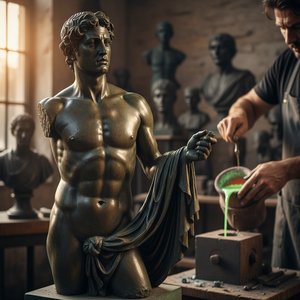
The creation of a true bronze masterpiece is a journey through fire and precision, most notably realized through the ancient and complex lost-wax casting technique. This process is an arduous dance between the artist’s vision and the physical constraints of molten metal. It begins with the creation of a highly detailed model, often in clay or wax, where every fingerprint and subtle texture is meticulously rendered. This original form serves as the soul of the eventual bronze, containing the DNA of the artist's intent.
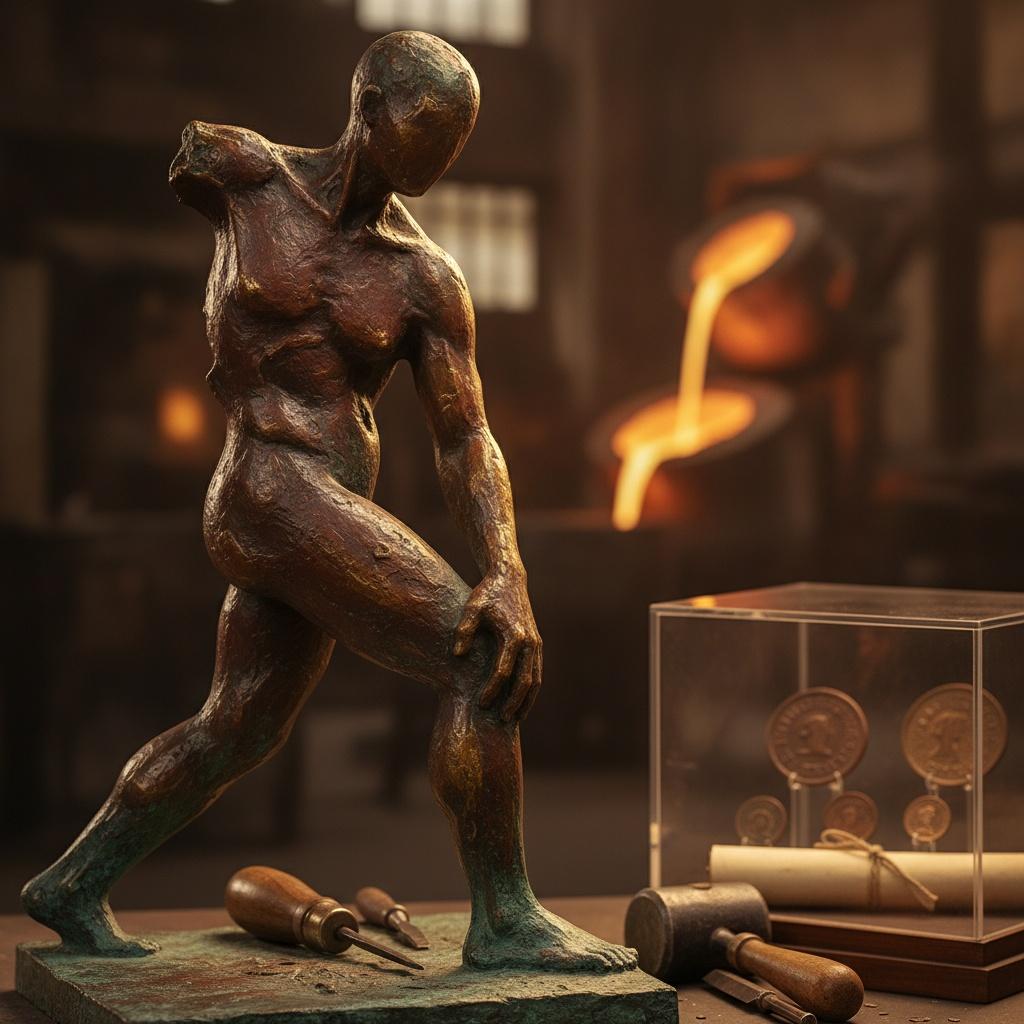
Once the model is perfected, it is encased in a refractory material to create a mold. As the heat intensifies, the original wax melts away—literally lost to the flame—leaving behind a hollow cavity that perfectly mirrors the sculpture's intricate topography. Into this void, molten bronze is poured, a moment of high drama where liquid fire takes on a definitive shape. The subsequent cooling and removal of the mold reveal a work of art that possesses incredible anatomical detail and flowing lines. This labor-intensive method ensures that each piece is not merely a product of manufacturing, but a testament to technical mastery and the transformative power of heat.
The Alchemy of Patina: Enhancing Depth and Character Through Chemical Artistry
While the casting process provides the form, it is the application of patina that provides the spirit. A raw bronze casting often possesses a bright, somewhat clinical appearance; it is through the alchemical application of chemicals and heat that the sculpture acquires its character. Patination is far more than a simple coating; it is a controlled oxidation process that allows the artist to manipulate color, depth, and mood. By applying various metal salts and acids to the heated surface, a sculptor can achieve anything from the deep, brooding blacks of a classical bust to the verdant, weathered greens of an outdoor monument.
This layer of chemical artistry adds a vital dimension of texture and tonal range. A well-executed patina can highlight the recessed crevices of a sculpture, creating shadows that enhance its three-dimensional presence, while simultaneously protecting the metal from the elements. For the collector, the patina is often where the emotional resonance of the piece resides. It is the skin of the sculpture, providing a sense of age, wisdom, and organic connection to the natural world. The subtle variations in color within a single patina can evoke the passage of centuries, lending an immediate sense of history to even the most contemporary works.
Curating Permanence: Evaluating Bronze Sculptures as Long-Term Art Investments
For the sophisticated investor, bronze sculptures represent a unique intersection of aesthetic pleasure and capital preservation. Unlike many other forms of fine art that may be susceptible to environmental degradation or structural decay, bronze is remarkably resilient. Its inherent durability makes it an ideal candidate for long-term holding, as the medium itself resists the ravages of time, moisture, and atmospheric pollutants. When properly maintained, a bronze work can remain virtually unchanged for generations, preserving its market value through its physical integrity.
However, evaluating such an investment requires a keen eye for provenance, technique, and rarity. The value of a bronze piece is deeply tied to the mastery of its casting and the complexity of its patina. Collectors should look for works that demonstrate exceptional anatomical detail and a seamless integration of form and finish. Furthermore, the scarcity of high-quality, hand-cast editions plays a significant role in valuation. As we move through an era of mass production, the demand for authentic, artistically driven bronze sculptures—those that showcase the unmistakable touch of a master—continues to rise, making them a cornerstone of any serious, legacy-focused art portfolio.
Integrating Metal into Modern Interiors: A Guide for the Discerning Collector
Incorporating bronze into a modern interior requires a sophisticated understanding of scale, light, and composition. Because bronze possesses such a powerful visual weight, it should be treated as an architectural element rather than mere decoration. In a minimalist setting, a single, striking bronze sculpture can serve as a profound focal point, drawing the eye and providing a necessary counterpoint to clean lines and neutral palettes. The reflective properties of the metal interact dynamically with ambient light, creating shifting shadows that animate the surrounding space.
When curating a collection for a residential or professional environment, consider the interplay between the bronze's finish and your existing decor. A dark, rich patina may pair exquisitely with warm woods and leather, evoking a sense of classical luxury, while a lighter, more contemporary finish can complement modern glass and steel. For larger-scale installations, such as custom commissions that depict movement and grace, the sculpture can define the very atmosphere of a room. Ultimately, the goal is to create a dialogue between the permanence of the metal and the lived experience of the space, allowing the bronze to act as a timeless anchor in an ever-changing world.
At ArtsDot.com, we celebrate the enduring legacy of fine art through our dedication to authenticity and craftsmanship. From bespoke bronze commissions that capture movement and grace to expert consultations for collectors seeking to expand their horizons, our mission is to bring the profound beauty of the masters into the modern home. Whether you are exploring the intricacies of lost-wax casting or seeking a personalized piece to anchor your collection, our expertise ensures that every acquisition is a testament to lasting excellence.