




The Alchemy of Metal: Understanding the Enduring Allure of Bronze
To behold a bronze sculpture is to witness a profound dialogue between human creativity and the elemental forces of nature. Unlike the ephemeral qualities of watercolor or the delicate fragility of certain stones, bronze possesses an inherent gravitas that commands the space it inhabits. This allure lies in its unique alchemy—the transformation of raw, molten copper and tin into a medium capable of capturing the most subtle nuances of human emotion and the most rugged textures of the natural world. For the discerning collector, bronze represents more than mere decoration; it is an investment in permanence.
The fascination with this medium stems from its ability to balance strength with fluidity. A master sculptor can manipulate bronze to suggest the softness of skin or the flowing drapery of a classical robe, yet the material itself remains unyielding and resolute. This duality creates a tension that is central to the power of metal art. As light dances across the surface, interacting with the varying depths of the metal, the sculpture seems to breathe, offering a dynamic visual experience that changes with the time of day and the surrounding atmosphere. It is this living quality that ensures bronze remains a cornerstone of fine art collections across centuries.
Mastering the Form: The Intricate Artistry of Lost-Wax Casting and Patina
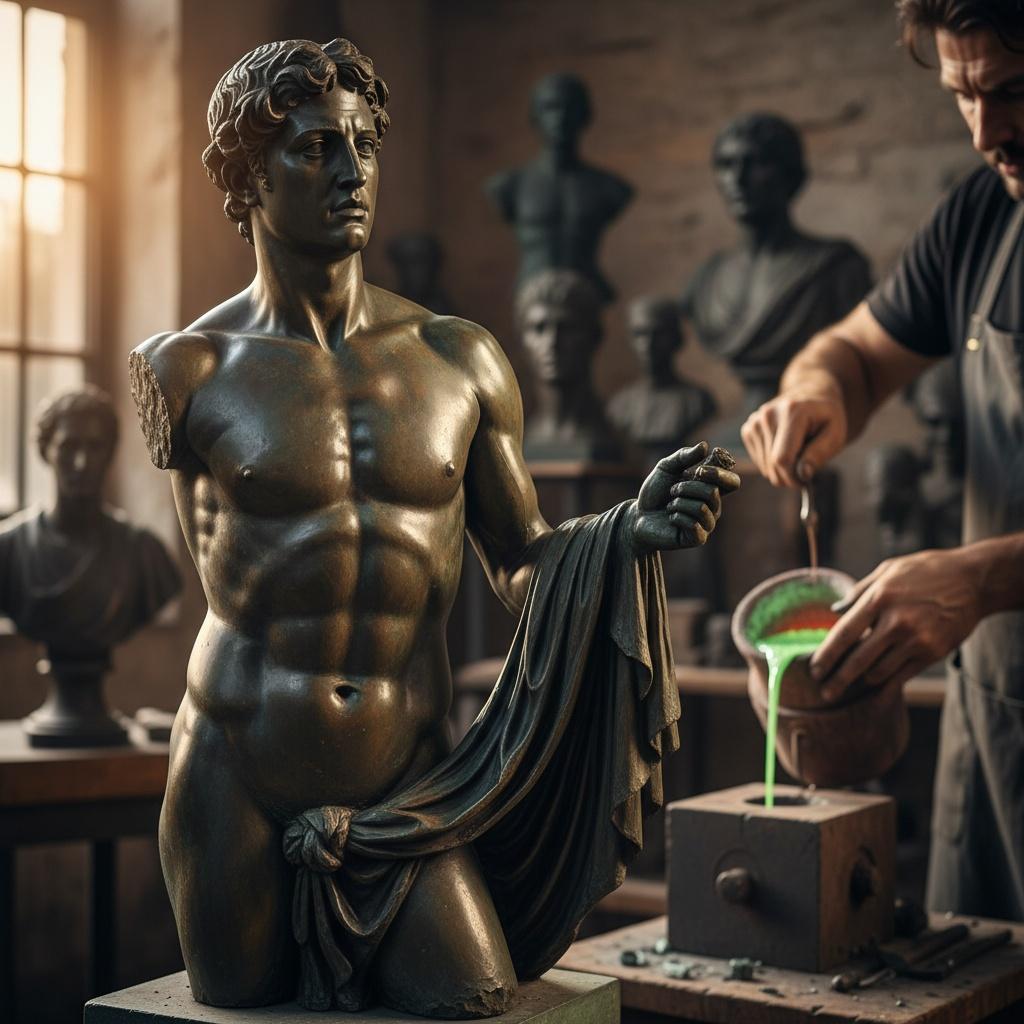
The creation of a true bronze masterpiece is a journey of immense technical complexity, requiring a marriage of artistic vision and rigorous scientific precision. At the heart of this process lies the lost-wax casting technique, an ancient method that has been refined through generations of master founders. The process begins with a delicate original model, often sculpted in wax or clay, which captures the artist's initial impulse. This model is then encased in a refractory material to create a mold; as the wax melts away—or is "lost"—it leaves behind a precise cavity ready to receive the molten bronze.
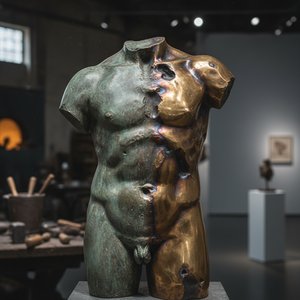
Once the metal has cooled and the mold is broken, the sculpture emerges in its raw state, yet the artist's work is far from complete. The true soul of the piece is often revealed through the application of patina. By treating the bronze surface with various chemicals and heat, the sculptor can induce controlled oxidation, creating a spectrum of colors ranging from deep, earthy browns to vibrant verdigris greens. This layer does not merely sit upon the metal; it becomes an integral part of its skin, adding depth, texture, and a sense of historical weight. It is this meticulous attention to the surface chemistry that distinguishes a mere casting from a profound work of art.
From Antiquity to Art Deco: Iconic Eras of Bronze Sculpture
The history of bronze is a tapestry woven with the triumphs of various civilizations, each leaving an indelible mark on the medium's evolution. In the ancient world, bronze was the language of power and divinity. The Roman Legionary Statue, for instance, serves as a testament to the discipline and architectural strength of an empire, utilizing the metal's durability to immortalize the stoicism of its soldiers. These classical works established a foundation of anatomical precision and heroic scale that would influence Western art for millennia.
As centuries progressed, the medium underwent stylistic metamorphoses, moving from the dramatic tension of the Baroque to the streamlined elegance of the 20th century. The Art Deco movement reimagined bronze through a lens of modernism, emphasizing geometric clarity and rhythmic movement. Works such as the Walking Man Bronze Sculpture exemplify this era, where the heavy metal is transformed into a symbol of kinetic energy and urban sophistication. Even more poignant are the works that bridge classical themes with modern sensibilities, such as Paul Manship’s Theseus and Ariadne, which utilizes the lost-wax method to capture a sense of mythological grief and beauty that feels both ancient and eternally contemporary.
Curating Permanence: Integrating Bronze Masterpieces into Modern Interiors
For the sophisticated collector, integrating bronze into a modern interior requires a nuanced understanding of scale, weight, and visual dialogue. Because of its physical presence, a bronze sculpture acts as an anchor within a room. In a minimalist setting, a single, striking piece can serve as the primary focal point, providing a necessary textural contrast to smooth surfaces like glass, polished concrete, or fine linens. The dark, rich tones of aged bronze offer a grounding effect that can balance the airy lightness of contemporary architecture.
However, the placement of metal art should be intentional and considered within the broader composition of the space. Large-scale bronzes demand significant presence, often best suited for grand entryways or as centerpiece elements in library settings. Conversely, smaller, more intimate sculptures can be curated on bespoke pedestals or integrated into bookshelves to create layers of visual interest. The goal is to create a curated environment where the sculpture does not merely occupy space but actively interacts with the light and the architectural lines of the home, fostering an atmosphere of curated permanence.
Preserving the Legacy: Expert Care and Longevity for Metal Collections
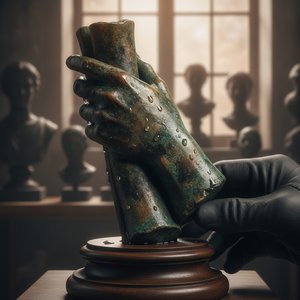
The very qualities that make bronze a timeless medium—its durability and resistance to decay—are what make it such a prestigious acquisition. Yet, to ensure that a collection retains its luster and historical value, a commitment to professional stewardship is essential. While bronze is remarkably resilient, it is not immune to the environmental factors of the modern world. Dust, moisture, and atmospheric pollutants can settle upon the patina, potentially altering the intended aesthetic over decades.
Proper preservation involves regular, gentle cleaning with specialized, non-abrasive cloths to maintain the integrity of the surface. For collectors managing significant works, maintaining a stable environment with controlled humidity is paramount to preventing unwanted oxidation. When handled with the respect due to such enduring legacies, a bronze collection becomes more than a gathering of objects; it becomes a multi-generational heritage. It is an art form designed to outlast its creator, standing as a silent, powerful witness to the passage of time.
At ArtsDot.com, we celebrate this enduring spirit of artistry. Whether you are seeking to explore the technical brilliance of historical casting or looking for expert guidance on acquiring museum-quality reproductions and fine art, our platform serves as a bridge between the masterpieces of the past and the collectors of the future. We invite you to discover the profound beauty of metal art through our curated collections and professional consultations.