Showing 4 artworks with Lewis Wickes Hine and with 19th Century
-
Lewis Wickes Hine
-
19th Century
Not available for this selection
- Putty
- Phthalo Green
Not available for this selection
- Early 20Th Century Art
- Lewis Hine Photography
- Documentary Photography
- Lewis Hine
- Social Reform Art
- Lewis Hine Artwork
- Ellis Island Photo
- Machinery
- Vintage Photography
- Gift For History Lovers
- Child Labor Photo
- American Social Realism
- Poverty
- Silent Film Era
- Documentary
- Textile
- Immigration Era Art
- Vintage Family Portrait
- Photography
- Child Labor
- Hine Photography Style
- Urban Landscape
- Childhood Labor Movement
- Industrial
- 1908 Photography
- Cotton Mill
- Historical Wall Decor
- Textile Industry Art
- Black And White Image
- Social Commentary Art
- Lewis Wickes Hine
- North Carolina
- North Carolina Mill
- Social Realism
- Photorealistic Painting
- Black And White Print
- American Photography
- Industrial Photography
- Black And White
- Lamppost Composition
- Antique Photo Reproduction
- 1905 Immigration Art
- Atmospheric Perspective
- Art Print For Home
- Newsboy Portrait
- Factory
- 1908
- Black And White Portrait
- Plein Air Photography
- Young Girl
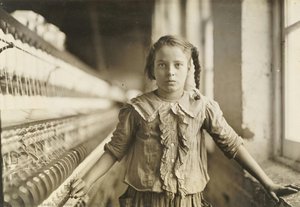
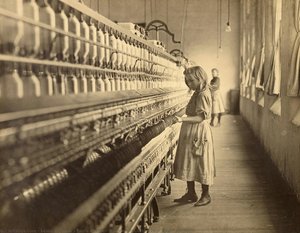
Explore Lewis Hine’s iconic ‘Cotton-Mill Worker’. A poignant 1908 black & white photo capturing child labor in NC. Witness a powerful social commentary through masterful documentary photography.
Lewis Hine's poignant 1908 photo captures Sadie Pfeiffer, a young cotton mill worker in North Carolina, revealing the harsh realities of child labor during the Industrial Revolution.
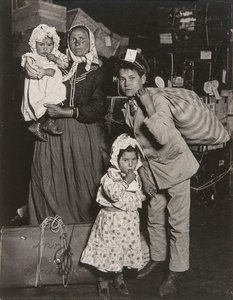
Lewis Hine's poignant 1905 black and white photograph, 'Looking for Lost Baggage, Ellis Island,' captures a family’s hopeful arrival at the US immigration station during the early 20th century. Discover this evocative image by renowned photographer Lewis Hine.
This detailed analysis delves into the artistry of Lewis Wickes Hine’s ‘Self-Portrait with Newsboy,’ examining its visual elements—composition, color palette, lines, shapes, textures, lighting, perspective—and thematic significance as a documentary piece advocating for child labor reform. It highlights Hine's masterful use of photographic techniques and explores the artwork's enduring impact.