 Preview
 Send
Send Share
Share
 Details

 Download
 Similars
 X-Ray
X-Ray Diaporama
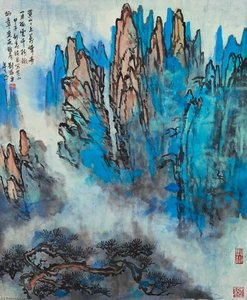
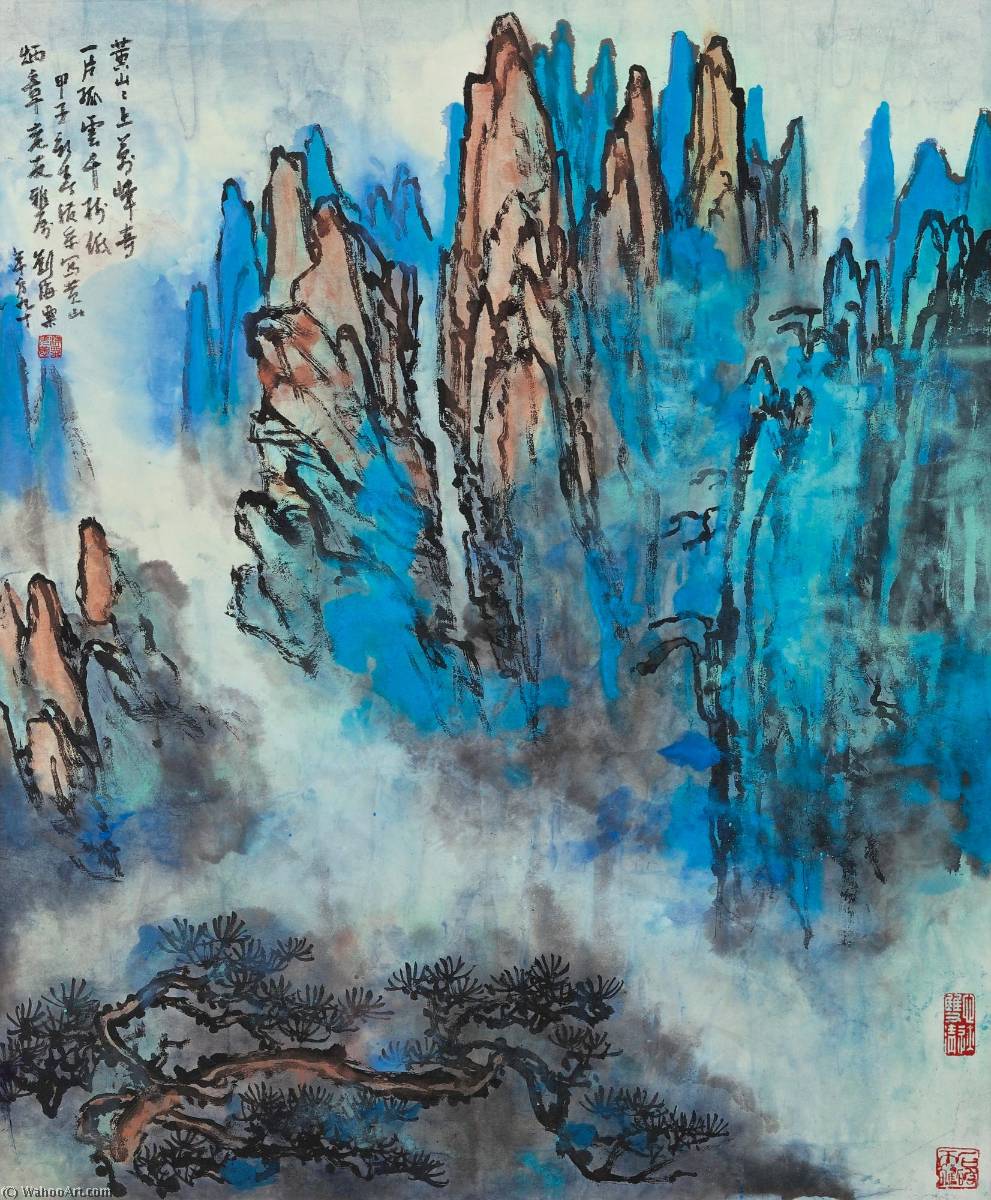
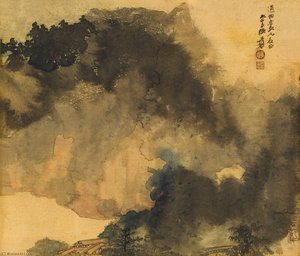
Summits of Mount Huang
 92.0 x 76.0 cm
 Read More
Hand Made Oil Reproduction
Hand-painted oil on canvas in your size and frame, made to order by our artists. ( Buy Print Buy Image)




































Pick from our preset sizes that match the artwork's original proportions.

You may enter your own dimensions to fit a specific frame or space. If your selected size does not match the original image's proportions, we will either crop the artwork or extend the painting with additional hand-painted elements. A digital mockup will be sent for your approval before production begins.
Please note that the on-screen preview does not reflect the actual cropping or extension. Only the mockup will accurately show the final composition.
While custom sizes are available, we recommend selecting a dimension from the predefined list to preserve the original proportions.
After order, ArtsDot.com team will email client for instructions and provide a mockup preview
Worldwide Delivery () in 3/4 weeks instead of standard 5 weeks. (27 August). No compromise on quality.

Free Worldwide Express Shipping

High-Quality Linen Canvas

Full Shipping Insurance

Customs Tax Refund Guarantee

True Color Matching Guarantee

60-Day Return Policy (Defects Only)

100% Money-Back Guarantee

Bulk Discount Offer
 Glass option is only available in size under 110 CM

Summits of Mount Huang
Reproduction Medium
Reproduction Size
-


Total Price
$ 263
Related Artworks
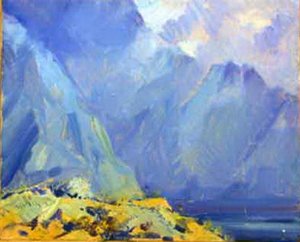
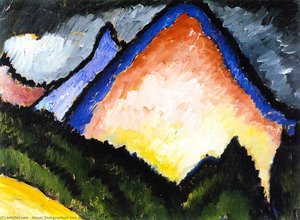
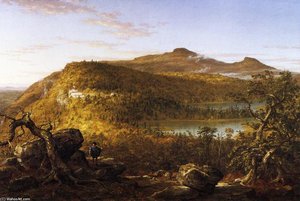
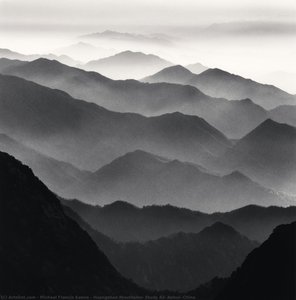
Artist Biography
The Visionary Spirit of Liu Haisu
In the grand tapestry of twentieth-century Chinese art, few threads shine as brightly or as provocatively as those woven by Liu Haisu. Born Pan Jifang in 1896, this transformative figure emerged from the Jiangsu Province not merely as a painter, but as a revolutionary force who dared to bridge the ancient traditions of the East with the burgeoning modernism of the West. Often revered as one of the “Four Great Academy Presidents,” Liu Haisu possessed an unyielding spirit that sought to dismantle the rigid hierarchies of traditional art education, replacing them with a vibrant, experimental pedagogy that would forever alter the course of Chinese aesthetic history.
His journey began in the quiet intensity of solitary study, but his ambitions were far from small. At the tender age of fourteen, he ventured to Shanghai to enroll in the Shanghai Art School under the direction of Zhou Xiang. It was here that the seeds of a global perspective were sown. Immersed in European painting traditions, Liu developed a profound fascination with realism and the raw beauty of the natural world. He became a pioneer of practices that were, at the time, considered scandalous by the conservative scholarly elite—most notably the introduction of nude modeling and open-air painting. While critics branded him an “artistic traitor,” Liu remained steadfast, viewing these techniques not as a rejection of Chinese heritage, but as a necessary infusion of vitality into a stagnant medium.
A Legacy of Educational Revolution
The year 1912 marked a watershed moment in the history of modern Chinese art when, alongside his colleagues Wu Shiguang and Zhang Yunguang, Liu Haisu co-founded the Shanghai Academy of Fine Arts. This institution was more than just a school; it was the first professional fine arts academy in modern China, serving as a sanctuary for innovation and a laboratory for new ideas. Through this academy, Liu championed the radical concept of coeducation and introduced a curriculum that encouraged students to observe life directly from nature. His influence extended far beyond the classroom, as he later founded China’s first fine art theory magazine, The Fine Arts, in 1920, providing a much-needed platform for intellectual discourse on the evolving role of the artist in a modernizing society.
His travels further enriched this educational mission. Between 1929 and 1931, Liu journeyed through Europe, walking the same paths as masters like Matisse and Picasso. These encounters with Western Impressionism and Fauvism breathed new life into his brushwork, allowing him to synthesize a unique style that blended the expressive power of oil painting with the lyrical elegance of traditional Chinese ink. Upon his return to China, he continued to serve as a vital link between global movements and local talent, teaching legendary figures such as Pan Yuliang and later presiding over the East China Fine Art School, which would evolve into the prestigious Nanjing Art Institute.
Mastery of Ink and Light
The true essence of Liu Haisu’s genius lies in his ability to harmonize seemingly contradictory worlds. His oeuvre is a breathtaking dialogue between oil painting and ink painting (guohua). In his landscapes, particularly those inspired by the majestic Huangshan mountains, one can witness a masterful command of light and atmosphere. He utilized the bold, spontaneous strokes characteristic of modernism to capture the mist-shrouded peaks and rugged terrain, yet he never lost the rhythmic, calligraphic soul that defines Chinese tradition.
His artistic achievements are characterized by several defining elements:
- Stylistic Synthesis: The seamless integration of Western light and shadow with the fluid, expressive energy of traditional Chinese brushwork.
- Pioneering Techniques: The courageous implementation of plein-air painting and anatomical study to bring a new sense of realism to Chinese subjects.
- Cultural Diplomacy: Acting as a bridge between East and West through his travels, writings, and the introduction of European masters' philosophies to a Chinese audience.
- Institutional Impact: The establishment of foundational art academies that provided the structural backbone for modern art education in China.
As we look back upon the life of Liu Haisu, we see more than just a prolific painter; we see a titan who stood at the crossroads of history. He navigated the turbulent waters of political change and social upheaval with his brush held high, ensuring that the flame of creativity would continue to burn brightly in a new era. His legacy remains etched in every sweeping stroke of ink and every vibrant layer of oil, reminding us that true art is a fearless pursuit of truth, beauty, and transformation.
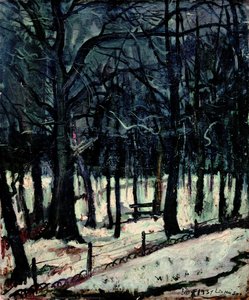
liu haisu
1896 - 1994
Quick Facts
- Artistic Movement Or Style: Modern Chinese Art
- Artists Or Movements Influenced By This Artist:
- Jean-François Millet
- Paul Cézanne
- Artists Who Influenced This Artist: ['Zhou Xiang']
- Date Of Birth: 1896
- Date Of Death: 1994
- Full Name: Liu Haisu
- Nationality: Chinese
- Notable Artworks:
- Snowscape (Luxembourg)
- LANDSCAPE AFTER SHITAO
- Summits of Mount Huang
- Place Of Birth: Shanghai, China