 Preview
 Send
Send Share
Share
 Details

 Download
 Similars
 X-Ray
X-Ray Diaporama
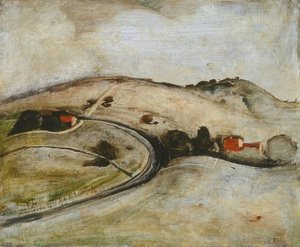
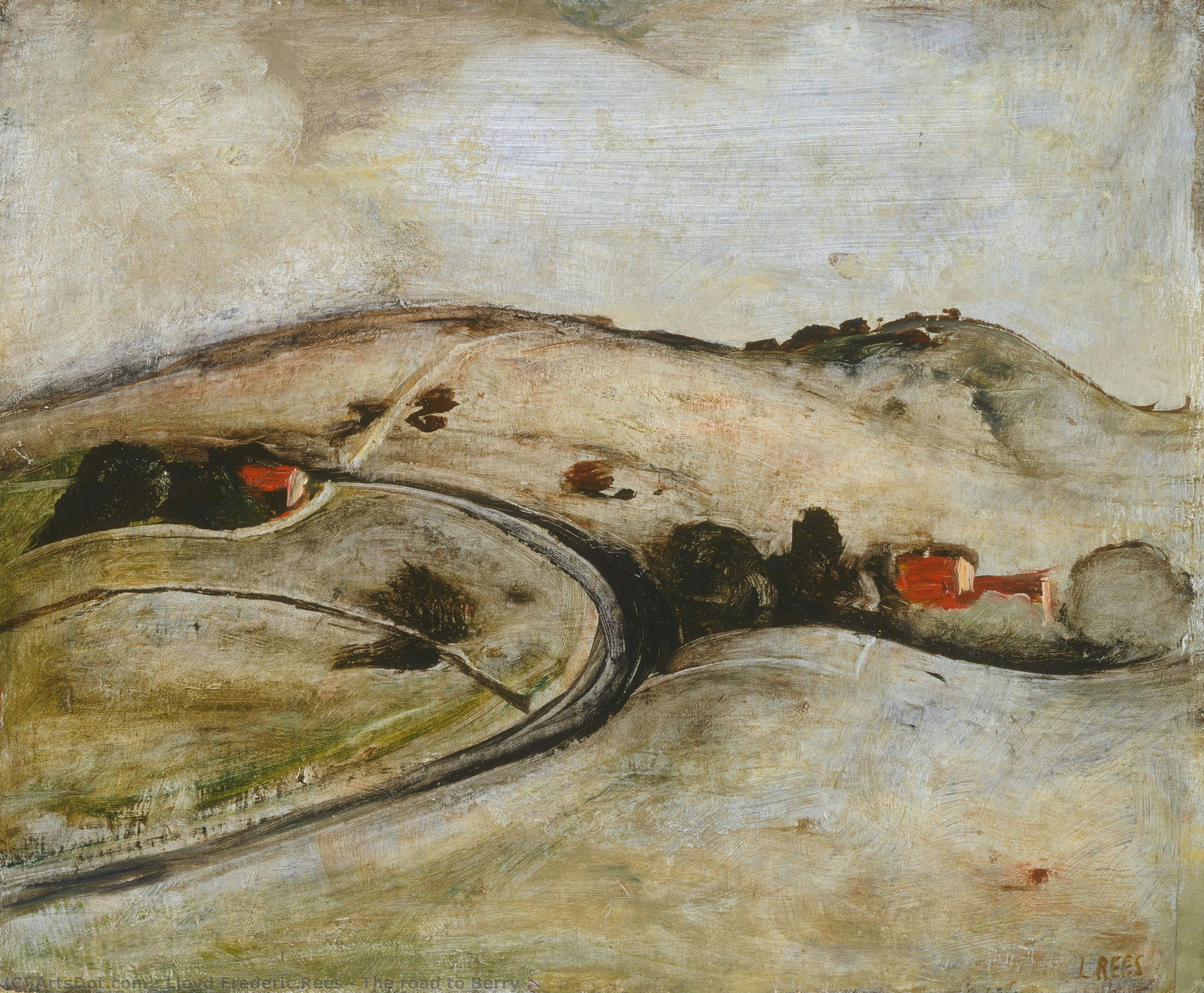
The road to Berry
 Acrylic On Canvas
- WallArt
- Australian Landscape Painting
 1947
1947 46.0 x 53.0 cm
 Art Gallery of New South Wales
 Read More
Hand Made Oil Reproduction
Hand-painted oil on canvas in your size and frame, made to order by our artists. ( Buy Print Buy Image)




P118B $10

P118H $10

P118W $10

P438Z $10

P508JH $12

P508YH $12

P805H $10

P805Z $10

P919BZ $10

P919G $10

P919XJ $10

P959ZH $10

P968JZ $12

W106C $8

W218G $10

W218JH $8

W218Y $10

W307PJ $10

W316G $10

W316PJ $8

W316Y $10

W398PJ $8

W4111J $10

W500HY $15

W500JH $15

W692G $12

W849H $8

W940BG $15

W953PJ $8




Pick from our preset sizes that match the artwork's original proportions.

You may enter your own dimensions to fit a specific frame or space. If your selected size does not match the original image's proportions, we will either crop the artwork or extend the painting with additional hand-painted elements. A digital mockup will be sent for your approval before production begins.
Please note that the on-screen preview does not reflect the actual cropping or extension. Only the mockup will accurately show the final composition.
While custom sizes are available, we recommend selecting a dimension from the predefined list to preserve the original proportions.
After order, ArtsDot.com team will email client for instructions and provide a mockup preview
Worldwide Delivery () in 3/4 weeks instead of standard 5 weeks. (18 August). No compromise on quality.

Free Worldwide Express Shipping

High-Quality Linen Canvas

Full Shipping Insurance

Customs Tax Refund Guarantee

True Color Matching Guarantee

60-Day Return Policy (Defects Only)

100% Money-Back Guarantee

Bulk Discount Offer
 Glass option is only available in size under 110 CM

The road to Berry
Reproduction Medium
Reproduction Size
-


Total Price
$ 263
Artwork Description
A Moment on the Road: Lloyd Rees’s “The Road to Berry”
Lloyd Frederic Rees's "The Road to Berry," painted in 1947, isn’t merely a landscape; it’s a distilled essence of the Australian countryside captured with an almost unsettling clarity. It depicts a winding road slicing through the rolling hills of New South Wales, leading towards the charming village of Berry. Yet, within this seemingly simple scene lies a profound exploration of light, space, and the relationship between humanity and the natural world – hallmarks of Rees’s distinctive artistic vision. The painting immediately draws the eye with its bold simplification; trees are reduced to dark, almost skeletal forms, houses become mere suggestions against the horizon, and the road itself is rendered as a powerful, curving line dominating the composition. This reductive approach wasn't born from a desire for minimalism, but rather a deliberate attempt to strip away extraneous detail, forcing the viewer to confront the fundamental elements of landscape – light, shadow, and form – with an almost primal intensity. Rees’s background in commercial art, coupled with his later studies of European masters like Cézanne and Van Gogh, clearly informed this approach, prioritizing structure and observation over elaborate representation.The Language of Light and Color
Rees was a master of capturing the ephemeral effects of light, and “The Road to Berry” is a testament to this skill. He employed a technique reminiscent of pointillism – not in its strict adherence, but in the careful application of small, distinct brushstrokes to build up layers of color and texture. These strokes aren’t blended smoothly; instead, they retain their individual character, creating a shimmering surface that seems to vibrate with reflected light. The dominant hues are earthy browns and greens, punctuated by flashes of brilliant blue sky and the warm ochre of distant hills. Crucially, Rees doesn't depict the landscape as it *appears* in direct sunlight; he renders it as it *feels*. He uses cooler tones – blues and greens – to suggest shadow and depth, creating a sense of atmospheric perspective that pulls the viewer into the scene. The light isn’t uniformly distributed; it pools and gathers in certain areas, highlighting the curves of the road and emphasizing the drama of the landscape. This masterful manipulation of color and value is what elevates the painting beyond a simple depiction of a rural route.Echoes of Place and Personal Vision
The choice of Berry itself holds significance. The village, nestled amongst rolling hills and vineyards, was a favored retreat for Rees and his family. He spent many summers there, sketching and painting the surrounding landscape – experiences that profoundly shaped his artistic sensibility. “The Road to Berry” isn’t simply a record of this place; it's an expression of Rees’s deeply felt connection to the Australian environment. The painting embodies a quiet reverence for the land, suggesting a harmonious coexistence between human settlement and the natural world. It reflects a longing for simplicity and escape – themes that resonated strongly with the artist throughout his career. Interestingly, this work predates the widespread adoption of abstraction in Australian art, positioning it as a significant example of landscape painting rooted in observation and a nuanced understanding of light and atmosphere.Symbolism and Emotional Resonance
Beyond its technical brilliance, “The Road to Berry” possesses a subtle yet powerful symbolic resonance. The road itself can be interpreted as a metaphor for life’s journey – a winding path leading towards an uncertain destination. The isolation of the scene evokes a sense of solitude and introspection, inviting the viewer to contemplate their own place within the vastness of nature. The painting's restrained palette and simplified forms create a mood of quiet contemplation, suggesting a yearning for connection with something larger than oneself. It’s not a joyous or celebratory depiction of rural life; rather, it’s imbued with a sense of melancholy and a profound awareness of time’s passage. The painting’s enduring appeal lies in its ability to evoke these complex emotions through the seemingly straightforward representation of a simple landscape.A Legacy of Light: Reproductions and Appreciation
Today, Lloyd Rees's “The Road to Berry” remains a celebrated work of Australian art, admired for its technical mastery and evocative power. High-quality reproductions capture much of the original’s atmospheric depth and nuanced color palette, offering a beautiful addition to any interior space. When considering a reproduction, look for prints that faithfully reproduce Rees's distinctive brushwork – a key element in conveying the painting’s unique character. This artwork serves as a poignant reminder of the beauty and tranquility found within the Australian landscape, inviting us to slow down, observe, and appreciate the simple wonders of the natural world.Related Artworks
Artist Biography
Lloyd Frederic Rees: A Life in Landscape
Lloyd Frederic Rees (1895-1988) was a celebrated Australian landscape painter whose work beautifully captured the essence of the Australian environment and explored the harmonious relationship between humanity and nature. His career spanned much of the 20th century, marked by consistent artistic exploration and significant recognition within the Australian art world.
Early Life and Education
Born on March 17, 1895, in Brisbane, Queensland, Rees was one of eight children born to Owen Rees and Angèle Burguez. His early life provided a foundation for his later artistic pursuits. He received formal art training at Brisbane’s Central Technical College, beginning his career as a commercial artist in 1917.
Artistic Development & Influences
Rees's artistic journey began with sketches and paintings focused on the built environment within the landscape. While specific early influences are not extensively documented, his work demonstrates an affinity for capturing light and atmosphere – qualities often associated with Impressionism. He was part of the Northwood Group from the 1940s to the 1960s, a collective that favored neo-impressionist styles and sinuous linework in their landscape depictions.
Key Themes & Style
Rees’s oeuvre is characterized by several recurring themes:
- Harmony between Man and Nature: A central concern throughout his career.
- The Effects of Light: He masterfully depicted the changing qualities of light on the Australian landscape.
- Spiritual Connection to the Land: Particularly prominent in his later works, exploring a deeper relationship with the environment.
His style evolved over time, but consistently emphasized observation and a sensitive rendering of form and color. His later paintings often exhibit an abstraction of form, focusing on the source and effects of light.
Major Achievements & Recognition
Rees achieved significant acclaim throughout his career:
- Wynne Prize: Won twice (1950 and 1982) for outstanding landscape paintings.
- Commonwealth Jubilee Art Prize: Awarded in 1957.
- Order of Australia: Received in 1985, recognizing his contribution to Australian art.
His painting, The Road to Berry, is a notable work held in the collection of the Art Gallery of New South Wales.
Notable Works
Beyond “The Road to Berry”, Rees produced a substantial body of work including numerous sketches and paintings depicting various Australian landscapes. His works are also held in the collections of the Art Gallery of Western Australia and the National Gallery of Australia.
Personal Life
Rees experienced personal loss with the passing of his first wife, Dulcie Metcalf, shortly after childbirth in 1927. He later married Ursula McGeogh in 1931. A brief engagement to sculptor Daphne Mayo ended in 1925.
Historical Significance & Legacy
Lloyd Frederic Rees remains a significant figure in Australian art history. His dedication to landscape painting, his sensitive portrayal of light and atmosphere, and his exploration of the spiritual connection between humanity and nature have left a lasting legacy. He helped shape the development of Australian landscape painting and continues to inspire artists today.
He continued to paint until his death on December 2, 1988, at the age of 93, leaving behind a rich artistic heritage that celebrates the beauty and spirit of Australia.
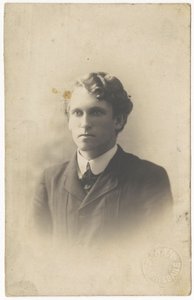
lloyd frederic rees
1895 - 1988 , Australia
Quick Facts
- Birth Date: 1895-03-17
- Birth Place: Brisbane, Queensland, Australia
- Death Date: 1988-12-02
- Movement: Australian Impressionism, Landscape Painting
- Name: Lloyd Frederic Rees
- Nationality: Australian
- Notable Works: The Road to Berry
Related Articles
Arboreal Echoes: A Historical & Artistic Exploration of Trees in Painting
Explore the rich history of trees in painting! Discover symbolism, Romantic masterpieces by Caspar David Friedrich & beyond. A curated journey for art enthusiasts.
Arboreal Echoes: A Historical & Artistic Exploration of Trees in Painting
Explore the rich history of trees in painting! Discover symbolism, Romantic masterpieces by Caspar David Friedrich & beyond. A curated journey for art enthusiasts.

Cézanne's Masterpieces: 25 Iconic Artworks to Transform Your Space
Journey through 25 iconic artworks by Paul Cézanne – a master of Impressionism and Post-Impressionism. Explore his landscapes, still lifes, and the stories behind these timeless masterpieces. Discover museum-quality reproductions & curated decor at ArtsDot.com.

John Constable's Masterpieces: Explore 25 Iconic Landscapes for Your Home
Journey through John Constable's 25 most celebrated landscapes. Explore Romanticism, Dedham Vale & his masterful use of light in iconic paintings like 'Hay Wain'. Find museum-quality art reproductions and elevate your home decor on ArtsDot.com.
Monet's Masterpieces: 25 Iconic Artworks to Transform Your Home
Journey through 25 iconic Claude Monet masterpieces! Explore Impressionism’s beauty, from Water Lilies to Rouen Cathedral. Discover stunning art reproductions & curated decor ideas – explore the full collection online at ArtsDot.com.