 Preview
 Send
Send Share
Share
 Details

 Download
 Similars
 X-Ray
X-Ray Diaporama
 Stats
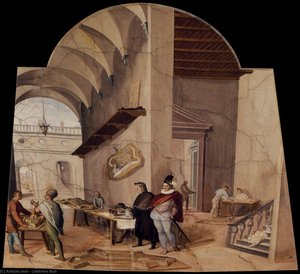
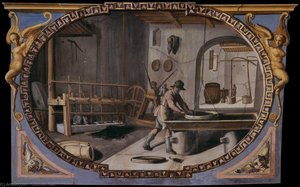
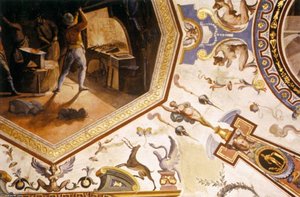
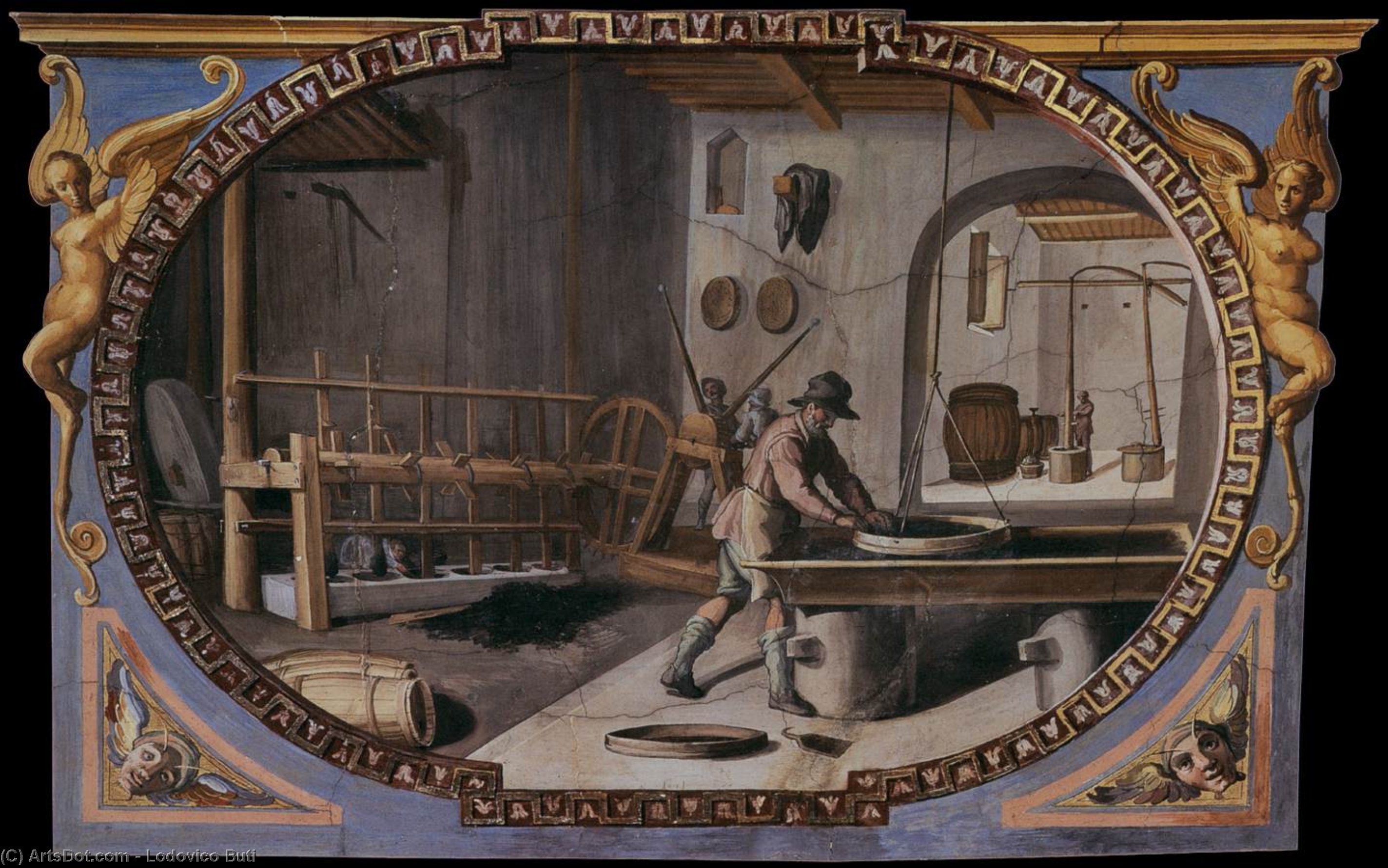
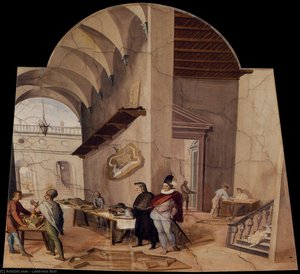
StatsPreparation of Gunpowder


 Read More
Giclée / Art Print
Museum-quality giclée or canvas print with fast production and flexible finish options. ( Buy Hand Made Painting Switch to Digital Image)




































Pick from our preset sizes that match the artwork's original proportions.

You may enter your own dimensions to fit a specific frame or space. If your selected size does not match the original image's proportions, we will either crop the artwork or extend the image with a mirrored or solid-fill edge. A digital mockup will be sent for your approval before production begins.
Please note that the on-screen preview does not reflect the actual cropping or extension. Only the mockup will accurately show the final composition.
While custom sizes are available, we recommend selecting a dimension from the predefined list to preserve the original proportions.
Worldwide Delivery () in 2 weeks instead of standard 4/5 weeks. (10 September)

Free Worldwide Express Shipping

High-Quality Linen Canvas

Full Shipping Insurance

Customs Tax Refund Guarantee

True Color Matching Guarantee

100-Day Return Policy (Defects Only)

100% Money-Back Guarantee

Bulk Discount Offer
 Glass option is only available in size under 110 CM

Preparation of Gunpowder
Giclée / Art Print
Reproduction Size
-


Total Price
$ 63
Related Artworks







Artist Biography
Ludovico Buti (1560-1611): Venetian Illusionist and Architect of Dreams
Ludovico Buti, born around 1560 in Florence, remains a shadowy figure within the vibrant tapestry of Renaissance art, yet his impact on Venetian decorative arts is undeniable. Despite limited surviving documentation—primarily focused on architectural commissions—scholarly research has illuminated a prolific artist who skillfully blended Mannerist aesthetics with innovative optical illusions and fantastical imagery, establishing him as a pivotal contributor to the artistic landscape of his time.- Early Life & Training: Precise biographical details are scarce. However, evidence suggests Buti’s formative years were spent in Florence under the tutelage of Alessandro Allori, a leading Mannerist sculptor and painter who instilled in him a profound understanding of sculptural form and expressive gesture—elements that would later permeate Buti's architectural designs.
- Venetian Engagement & Architectural Innovation: Buti’s career truly blossomed in Venice during the reign of Charles II. He swiftly gained recognition for his ambitious projects, collaborating with Stefano Buonsignori on monumental interiors at Santa Maria Novella and transforming the Uffizi Gallery into a breathtaking spectacle of illusionistic decoration. His approach to architecture wasn't merely about constructing buildings; it was about crafting immersive experiences that challenged perceptions of space and reality.
Optical Illusion: Mastering Trompe-l’œil Buti’s artistic genius extended beyond mere architectural grandeur; he perfected the art of *trompe-l'œil*, a technique that utilizes illusionistic painting to deceive the eye into perceiving images or textures as if they were real. This masterful manipulation of perspective and shading—exemplified by his celebrated fresco depicting Saint Philip Neri rescuing a drowning youth—demonstrates Buti’s unwavering commitment to pushing artistic boundaries. The intricate detail and subtle distortions within these paintings underscore his profound understanding of visual perception.
- Notable Commissions: Among Buti's most significant undertakings were the decoration of the Map Room and Stanzino delle Matematiche at Santa Maria Novella, where he collaborated with Buonsignori to create a mesmerizing panorama of celestial bodies—a testament to his ambition and artistic vision.
- The Basilica of Our Lady of Humility: Buti’s contribution to the basilica in Pistoia is equally remarkable. His fresco portraying The Annunciation showcases his ability to convey emotion and narrative complexity through masterful brushwork and compositional arrangement.
Influence & Legacy Buti's influence on Venetian art extends beyond his individual commissions. He championed a Mannerist style characterized by dynamism, expressive distortion, and psychological depth—a stylistic hallmark that resonated throughout the artistic milieu of Venice during Charles II’s reign. His pioneering use of optical illusion solidified his position as one of the foremost innovators of his era, inspiring subsequent generations of artists to explore new frontiers of visual representation.
- Continuing Research: Despite the paucity of biographical information, ongoing scholarly investigations continue to refine our understanding of Buti’s artistic output and its significance within the broader context of Renaissance art history. Future research promises to unveil further insights into his life, training, and creative process—solidifying his place as a captivating enigma within the annals of Venetian art.
Concluding Remarks Ludovico Buti’s legacy resides not merely in the grandeur of his architectural achievements but also in his unwavering dedication to artistic experimentation. He remains an artist whose work embodies the spirit of Mannerist innovation—a testament to the transformative power of imagination and technique in shaping visual culture.
lodovico buti
1560 - 1611
Quick Facts
- Artistic Movement Or Style: Mannerist
- Date Of Death: after 1611
- Full Name: Ludovico Buti
- Nationality: Italian
- Notable Artworks:
- Study for Saint Philip Neri Rescuing a Drowning Youth
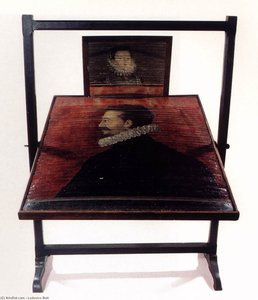
- Optical Illusion with Portraits of Charles II and His Daughter Christine of Lorraine
- Preparation of Gunpowder
- Annunciation
- Place Of Birth: Florence