

 Send
Send Share
Share
 Details

 Download
 Similars
 Diaporama
Cutting Up Old Film (Don
 Assemblage
- Assemblage Sculpture
 1984
1984 36.0 x 36.0 cm
 Souls Grown Deep
 Read More
Purchase a high-resolution, enhanced digital image, far superior to the online preview.
Each file is meticulously prepared by our in-house specialists using advanced tools and expert manual retouching. We ensure every image has exceptional clarity, precise color accuracy, and fine detail.
The final file is delivered via email within 72 hours, optimized for immediate use in professional, editorial, and print environments. This is the same quality trusted by top-tier design studios, publishers, and galleries.
Digital Image
Download a high-resolution file for personal display, printing, and creative projects. ( Buy Print Buy Hand Made Painting)
Included in Every Digital Image Order
Expert Digital Delivery, Guaranteed
When you choose ArtsDot.com, you're not just getting an image - you're receiving a professionally enhanced digital artwork, crafted with precision and backed by a satisfaction guarantee. Here's everything that comes with your order, automatically:

Fast Email Delivery
Your high-resolution digital image file will be emailed to you within 72 hours of ordering - ready for immediate use.

AI-Enhanced Digital File
Your artwork is professionally optimized using advanced AI tools and manual editing, ensuring maximum detail, clarity, and color accuracy.

Free Lifetime Re-Delivery
Accidentally deleted or lost your file? No worries - we'll resend it to you anytime, free of charge.

No Import Fees - Ever
Enjoy your artwork instantly with zero customs, duties, or delivery fees - digital downloads are always tax-free.

Color Accuracy Guarantee
We ensure your digital image reflects the original colors as closely as possible using professional tools and color management.

60-Day Satisfaction Guarantee
If you're not satisfied with your digital image, we'll revise it or refund 100% within 60 days - no questions asked.

100% Money-Back Guarantee
Not satisfied? Get a full refund within 60 days of receiving your digital file - no questions asked.

Bulk Order Discounts
Buy 3 images, save 10% - Buy 5, save 15% - Buy 10+, save 20%. Great for creative projects, galleries, and agencies.
Collectible Description
Lonnie Holley’s “Cutting Up Old Film”: A Testament to Fragmented Histories
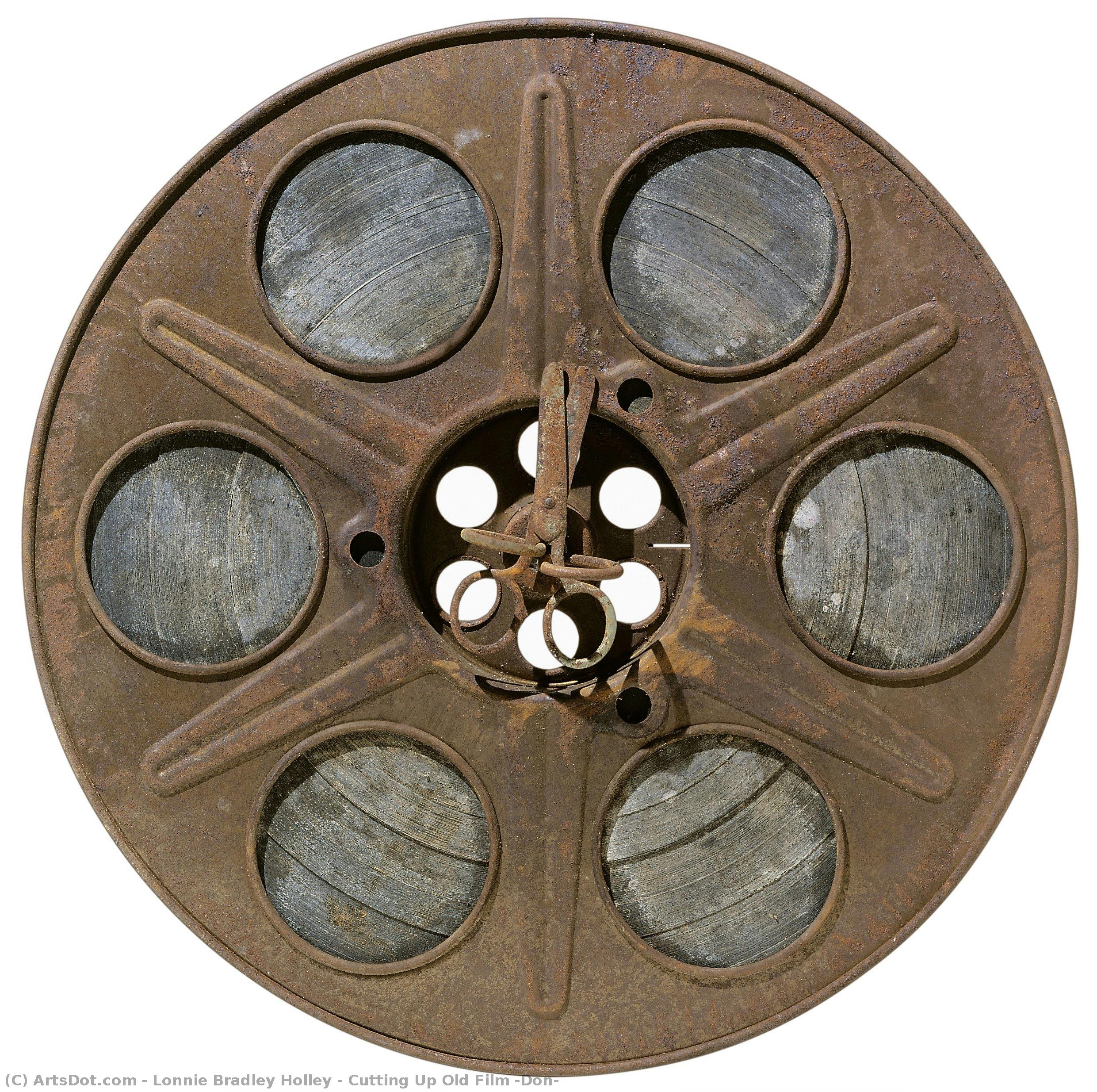
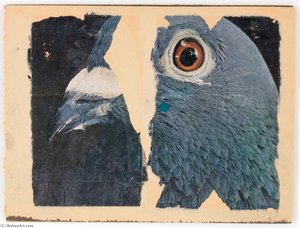
Lonnie Holley's "Cutting Up Old Film (Don’t Edit the Wrong Thing Out)" isn’t merely a sculpture; it’s a visceral excavation of memory, truth, and the deliberate distortion inherent in constructing narratives. Created in 1984, this assemblage—a haunting marriage of rusted film reels, scissors, and other discarded materials—immediately draws the viewer into a world where history is not a linear progression but a collection of fragmented pieces, each demanding careful examination.
The piece’s foundation lies in Holley's deeply personal story. Born in Birmingham, Alabama, during the oppressive era of Jim Crow, he experienced firsthand the systematic erasure of Black voices and experiences. His early life—a patchwork of foster homes, grueling labor, and a profound absence of stability—shaped his artistic vision, fueling a relentless need to reclaim lost narratives and expose uncomfortable truths. The very materials Holley employs – remnants of forgotten films, symbols of communication and documentation – speak directly to this struggle for recognition.
Deconstructing the Image: Technique and Materials
Holley’s technique is deliberately raw and unrefined, mirroring the fragmented nature of his subject matter. He doesn't meticulously craft or smooth; instead, he embraces the inherent imperfections of found objects. The rusted film reels, their once-smooth surfaces now pitted with decay, represent the deterioration of memory over time. The scissors, poised as if mid-action, symbolize the act of editing—the deliberate removal and manipulation of information to shape a particular version of events. The inclusion of other discarded elements – wires, gears, and fragments of metal – further reinforces this sense of deconstruction.
Crucially, Holley doesn’t simply arrange these objects; he integrates them, creating a dynamic composition that invites the viewer to engage in a tactile and intellectual dialogue. The rough texture of the materials contrasts sharply with the sleekness of film, highlighting the tension between the tangible past and the ephemeral nature of recorded history.
Symbolism and Emotional Resonance
“Cutting Up Old Film” operates on multiple symbolic levels. The title itself is a potent statement—a direct challenge to the notion that historical accounts are objective or unblemished. Holley’s use of scissors suggests an active process of dismantling established narratives, while the phrase “Don’t Edit the Wrong Thing Out” serves as a warning against the dangers of selective memory and biased storytelling. The film reels, once used to capture moments in time, now become symbols of those moments lost or obscured.
Beyond its political commentary, the piece evokes a profound sense of melancholy and loss. It’s a reminder that history is rarely simple or straightforward; it's often marked by trauma, injustice, and the silencing of marginalized voices. The sculpture’s raw energy and palpable sadness invite viewers to contemplate their own relationship with memory and the stories they choose to preserve.
A Legacy of Reclamation: Holley’s Artistic Vision
Lonnie Holley's work transcends mere artistic expression; it is a powerful act of reclamation. Through his assemblages, he transforms discarded materials into poignant testaments to human resilience and the enduring need for recognition. “Cutting Up Old Film” stands as a particularly compelling example of this vision—a hauntingly beautiful reminder that history is not something passively received but actively constructed, and that the voices of those who have been silenced deserve to be heard.
Related Artworks

Artist Biography
A Life Forged in Found Materials
Lonnie Holley, born February 10, 1950, in Birmingham, Alabama, is more than an artist; he’s a testament to the resilience of the human spirit and the transformative power of creativity. His journey, deeply rooted in the complexities of the Jim Crow South, has blossomed into a globally recognized artistic practice encompassing assemblage sculpture, immersive environments, and profoundly moving music. Holley's story isn’t one of formal training or privileged access; it’s a narrative sculpted by hardship, loss, and an unwavering commitment to self-expression. His early life was characterized by instability – a childhood spent navigating foster homes, working odd jobs from a young age—picking up trash, washing dishes, cooking—and finding temporary shelter in unconventional places like a whiskey house and the state fairgrounds. These experiences weren’t merely biographical details; they became the very bedrock of his artistic vision, imbuing his work with an authenticity that resonates deeply with viewers.The Genesis of Creation: From Grief to Art
A pivotal moment arrived in 1979 when Holley began carving tombstones for his sister’s children who tragically perished in a fire. This act of mourning, born from profound grief, unexpectedly unlocked his artistic path. While searching for suitable materials, he discovered discarded sandstone-like remnants from a local foundry—a byproduct of Birmingham's industrial heartland. He attributes this discovery to something akin to divine intervention, a guiding hand leading him toward a new form of expression. This wasn’t simply finding a medium; it was encountering a voice waiting to be unleashed. The act of shaping these stones into memorials became a catalyst for broader artistic exploration, transforming found objects into powerful expressions of remembrance and loss. He didn't approach the sandstone with preconceived notions but allowed the material itself to dictate the form, an improvisational process that would become a hallmark of his style. This intuitive connection to materials—responding directly to their texture, shape, and inherent history—defines Holley’s unique artistic language.Assemblage and Improvisation: A Unique Artistic Voice
Lonnie Holley's art is fundamentally rooted in assemblage – the art of constructing sculptures from disparate found objects. Metal scraps, weathered wood fragments, discarded stones, everyday detritus—these are not merely materials to Holley; they are vessels carrying stories, memories, and echoes of past lives. His process isn’t about imposing a vision onto these objects but rather allowing them to reveal their potential through intuitive arrangement and connection. He doesn't pre-plan his creations; instead, he responds directly to the materials at hand, letting them guide the form and meaning of his work. This improvisational approach extends beyond sculpture into his musical endeavors as well. His works frequently address themes of spirituality, social justice, personal history, and the beauty found in unexpected places. They reflect on the complexities of human experience, the search for meaning in a fragmented world, and the enduring power of memory. While initially focused on sandstone carvings, Holley’s practice expanded to encompass an ever-widening range of materials, demonstrating his adaptability and resourcefulness as an artist.Recognition and Legacy: A Rising Star
Over the years, Lonnie Holley's work has garnered significant recognition, finding its way into prestigious museum collections worldwide. His art has been exhibited at institutions including the Birmingham Museum of Art, The Halsey Institute of Contemporary Art, The Metropolitan Museum of Art, and the National Gallery of Art, among many others. He is represented by the Souls Grown Deep Foundation, an organization dedicated to supporting and promoting the work of African American artists from the South. Beyond his visual art, Holley embarked on a musical career in 2012, releasing critically acclaimed albums like "Just Before Music," “MITH”, and “National Freedom”. His music blends spoken word, improvisation, and blues influences, creating a sonic landscape as unique and compelling as his sculptures. He has collaborated with artists such as Matthew E. White, further expanding his creative reach. Holley’s story exemplifies the power of self-taught artistry, demonstrating how creativity can flourish outside traditional academic settings. His work provides a poignant commentary on social issues and the experiences of marginalized communities in the American South. He is associated with the Birmingham-Bessemer School of Art, alongside Thornton Dial, Ronald Lockett, and Joe Minter, highlighting a shared aesthetic and thematic focus within the region's artistic landscape. Lonnie Holley’s legacy isn’t just about the art he creates; it’s about the inspiration he provides—a beacon for those who find their voice through unconventional methods and perspectives.Influences and Artistic Kinship
While fiercely independent in his artistic vision, Holley exists within a rich lineage of self-taught Southern artists. His work echoes the spirit of folk art traditions, particularly the African American vernacular tradition of transforming discarded materials into objects of beauty and significance. The influence of spirituality is palpable throughout his oeuvre, reflecting a deep connection to ancestral beliefs and a search for meaning beyond the material world. He shares affinities with artists like Thornton Dial, whose assemblages also grapple with themes of race, history, and social injustice. The Birmingham-Bessemer School of Art, to which Holley is often linked, represents a unique artistic ecosystem—a community of self-taught creators who found strength in shared experiences and a commitment to authentic expression. His work resonates with the improvisational spirit of jazz music, particularly the free jazz movement, where spontaneity and emotional intensity are paramount. Ultimately, Lonnie Holley’s art is a testament to the enduring power of human creativity—a force that can transform pain into beauty, loss into remembrance, and discarded objects into profound statements about the world we inhabit.
Lonnie Holley
1950 - , United States of America
Quick Facts
- Artistic Movement Or Style: Assemblage, Outsider art
- Date Of Birth: February 10, 1950
- Full Name: Lonnie Bradley Holley
- Nationality: American
- Notable Artworks:
- Protecting Myself...
- Mith
- Changing My Walk...
- Place Of Birth: Birmingham, USA

