

 Preview
 Send
Send Share
Share
 Details

 Download
 Similars
 X-Ray
X-Ray Diaporama
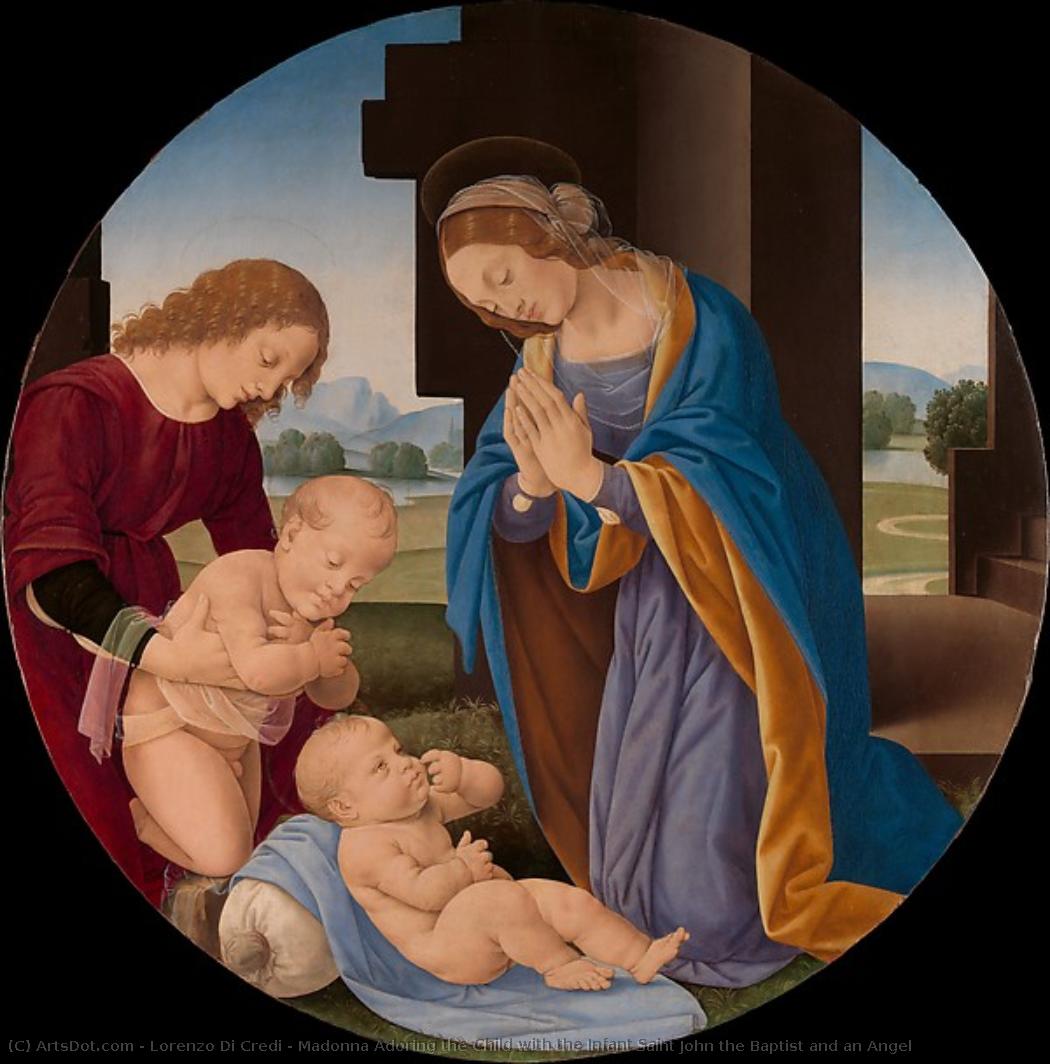
Madonna Adoring the Child with the Infant Saint John the Baptist and an Angel


 Read More
Purchase a high-resolution, enhanced digital image, far superior to the online preview.
Each file is meticulously prepared by our in-house specialists using advanced tools and expert manual retouching. We ensure every image has exceptional clarity, precise color accuracy, and fine detail.
The final file is delivered via email within 72 hours, optimized for immediate use in professional, editorial, and print environments. This is the same quality trusted by top-tier design studios, publishers, and galleries.
Digital Image
Download a high-resolution file for personal display, printing, and creative projects. ( Buy Print Buy Hand Made Painting)
Included in Every Digital Image Order
Expert Digital Delivery, Guaranteed
When you choose ArtsDot.com, you're not just getting an image - you're receiving a professionally enhanced digital artwork, crafted with precision and backed by a satisfaction guarantee. Here's everything that comes with your order, automatically:

Fast Email Delivery
Your high-resolution digital image file will be emailed to you within 72 hours of ordering - ready for immediate use.

AI-Enhanced Digital File
Your artwork is professionally optimized using advanced AI tools and manual editing, ensuring maximum detail, clarity, and color accuracy.

Free Lifetime Re-Delivery
Accidentally deleted or lost your file? No worries - we'll resend it to you anytime, free of charge.

No Import Fees - Ever
Enjoy your artwork instantly with zero customs, duties, or delivery fees - digital downloads are always tax-free.

Color Accuracy Guarantee
We ensure your digital image reflects the original colors as closely as possible using professional tools and color management.

60-Day Satisfaction Guarantee
If you're not satisfied with your digital image, we'll revise it or refund 100% within 60 days - no questions asked.

100% Money-Back Guarantee
Not satisfied? Get a full refund within 60 days of receiving your digital file - no questions asked.

Bulk Order Discounts
Buy 3 images, save 10% - Buy 5, save 15% - Buy 10+, save 20%. Great for creative projects, galleries, and agencies.
A Moment of Divine Adoration in Florentine Tondo Form
This exquisite painting captures a moment steeped in profound spirituality, presenting the Madonna cradling the Christ Child, flanked by the symbolic presence of the infant Saint John the Baptist and an attendant angel. The composition itself speaks volumes about its historical context; these circular paintings, or tondi, were immensely popular decorative elements in fifteenth-century Florence. One imagines them adorning the intimate spaces of wealthy Florentine homes, perhaps positioned above a bed, serving not merely as decoration but as constant visual prayers for the household.
The scene is rendered with an atmosphere of hushed reverence. The figures are arranged in a harmonious circle, their hands raised in gestures that suggest both adoration and petition toward a divine presence beyond the frame. The background unfolds into a serene landscape—a vista dotted with gentle mountains and lush trees—providing a tranquil counterpoint to the intense emotional focus on the central maternal bond.
The Artistic Hand of Lorenzo di Credi
Attributed to lorenzo di credi, this work channels the devotional fervor characteristic of his time. Lorenzo specialized in religious narratives, and his connection to the powerful intellectual currents surrounding figures like Girolamo Savonarola imbued his art with a palpable sense of urgent piety. While the biography provided mentions other masters, Credi’s touch here is one of deep commitment to sacred subject matter. His technique allows the viewer to feel the weight of devotion in every painted fold and gesture.
The craftsmanship suggests a mastery of oil on panel or canvas, allowing for subtle gradations of light and shadow that give the figures a lifelike, almost breathing quality. The careful attention paid to the drapery and the delicate interaction between the three main figures elevates this piece beyond mere portraiture into the realm of sacred storytelling.
Symbolism and Spiritual Resonance
The inclusion of Saint John the Baptist is particularly rich in symbolism. As a patron saint of Florence, his presence anchors the painting firmly within the city's cultural and religious identity. The narrative—the introduction of the divine child to his cousin—is layered with theological meaning, representing prophecy fulfilled and lineage blessed. The angel acts as the celestial messenger, guiding the viewer’s eye and reinforcing the sacred nature of the encounter.
For the modern collector or designer, this piece offers more than just aesthetic beauty; it offers a conduit to Renaissance devotion. It speaks to an era where art was inseparable from faith, transforming domestic spaces into miniature altarpieces.
Bringing Sacred Serenity Home
Reproducing such a significant work allows one to integrate the profound spirituality of the Italian Quattrocento into contemporary living spaces. Whether placed above a mantelpiece or centered in a gallery setting, this tondo format maintains its original intimacy while commanding attention through its narrative power. The combination of the idealized human forms with the expansive, peaceful landscape background ensures that the piece feels both grounded and transcendent—a perfect focal point for any room seeking an aura of timeless grace and deep contemplation.
Related Artworks

Artist Biography
Giovanni Battista Cima da Conegliano: A Venetian Master of Tranquil Beauty
Giovanni Battista Cima, often simply known as Cima da Conegliano, was a pivotal figure in the late 15th and early 16th centuries Italian Renaissance. Born around 1459 in the small town of Conegliano, nestled within the Republic of Venice – a region renowned for its artistic dynamism – Cima’s life and career were inextricably linked to this vibrant cultural hub. While his origins might seem humble, his work quickly established him as one of Venice's most distinctive and influential painters, bridging the gap between the more formal styles of the early Renaissance and the burgeoning naturalism that would characterize the High Renaissance. His legacy lies not in grand, dramatic narratives, but rather in a profound sense of serenity, an almost meditative quality found within his meticulously rendered scenes of religious subjects and intimate domestic moments.Early Influences and Training
The precise details of Cima’s early artistic training remain shrouded in some mystery. Unlike many of his contemporaries who benefited from established workshops or direct tutelage under renowned masters, there's scant evidence to pinpoint a specific teacher. However, art historians generally agree that he was profoundly influenced by the work of Giovanni Bellini, Venice’s most celebrated painter of the preceding generation. Bellini’s emphasis on atmospheric perspective, his subtle use of color, and his ability to imbue even religious subjects with a sense of quiet contemplation clearly resonated deeply with Cima. Furthermore, there's compelling evidence suggesting a connection to Antonello da Messina, a pioneering artist who brought the innovations of Florentine Renaissance painting – particularly its emphasis on linear perspective and naturalistic detail – to Venice. Cima’s landscapes, often featuring distant mountains bathed in atmospheric haze, bear striking similarities to Antonello’s work, demonstrating a conscious effort to incorporate these techniques into his own style. The influence of Bartolomeo Montagna, another Venetian painter known for his realistic depictions of the countryside, is also evident in Cima's early works, particularly *Madonna of the Arbour*.Style and Technique: A World of Quiet Contemplation
Cima’s artistic style is immediately recognizable by its remarkable tranquility. Unlike many of his contemporaries who favored dramatic compositions and emotionally charged scenes, Cima consistently depicted religious subjects – primarily Madonnas with the Child, scenes from the life of Saint Jerome, and occasional mythological narratives – in a remarkably calm and understated manner. His figures are rendered with an almost sculptural quality, possessing a dignified stillness that invites quiet contemplation. He eschewed elaborate ornamentation and theatrical gestures, instead focusing on capturing subtle expressions of emotion and conveying a sense of inner peace. A key characteristic of Cima’s work is his masterful use of color. He favored a palette of muted earth tones – browns, ochres, and greens – creating a harmonious and understated visual effect. His application of paint was meticulous and precise, resulting in surfaces that possess an almost velvety smoothness. Crucially, Cima's landscapes are not mere decorative backgrounds; they play a vital role in establishing the mood and atmosphere of his paintings. He skillfully employed atmospheric perspective to create a sense of depth and distance, drawing the viewer into the scene and immersing them in its tranquil beauty. His compositions often feature distant mountains, rolling hills, and shimmering lakes, all rendered with remarkable detail and sensitivity.Notable Works and Production
Cima’s output was surprisingly modest compared to many of his Venetian contemporaries. He primarily produced small-scale paintings intended for private devotion – altarpieces, devotional panels, and individual portraits – rather than large-scale frescoes or monumental commissions. Among his most celebrated works are the *Madonna of the Arbour* (1489), now in the Museum of Vicenza; the *Adoration of the Shepherds* (1487) at Santa Chiara in Florence; and the *Baptism of Christ* for the Chiostro dello Scalzo in Venice. He repeatedly revisited popular subjects, such as the *Madonna and Child*, producing numerous variations on a single composition, each subtly different from the last. These repeated treatments demonstrate not only his technical skill but also his deep understanding of the subject matter and his ability to capture its essence with remarkable consistency.Legacy and Historical Significance
Cima da Conegliano’s contribution to Venetian painting is often underestimated, yet it's undeniably significant. He stands as a crucial link between the early Renaissance traditions of Bellini and the burgeoning naturalism of Titian. His emphasis on atmospheric perspective, his subtle use of color, and his ability to convey a sense of quiet contemplation paved the way for future generations of Venetian painters. While he never achieved the widespread fame or influence of his more celebrated contemporaries, Cima’s work continues to be admired for its beauty, serenity, and profound emotional depth. He represents a unique and enduring voice within the rich tapestry of Venetian art history – a testament to the power of understated elegance and the enduring appeal of quiet contemplation.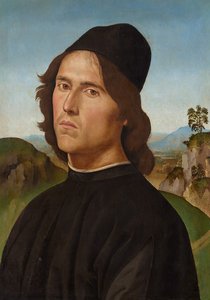
lorenzo di credi
1459 - 1537 , Italy
Quick Facts
- Artistic Movement Or Style: Venetian School
- Artists Or Movements Influenced By This Artist: ['Titian']
- Artists Who Influenced This Artist:
- Bartolomeo Montagna
- Giovanni Bellini
- Date Of Birth: c. 1459/60
- Date Of Death: c. 1517/18
- Full Name: Giovanni Battista Cima
- Nationality: Italian
- Notable Artworks:
- Madonna of the Arbour
- Saint Jerome in a Landscape
- Madonna and Child
- Place Of Birth: Conegliano, Italy

