

 Preview
 Send
Send Share
Share
 Details

 Download
 Similars
 X-Ray
X-Ray Diaporama
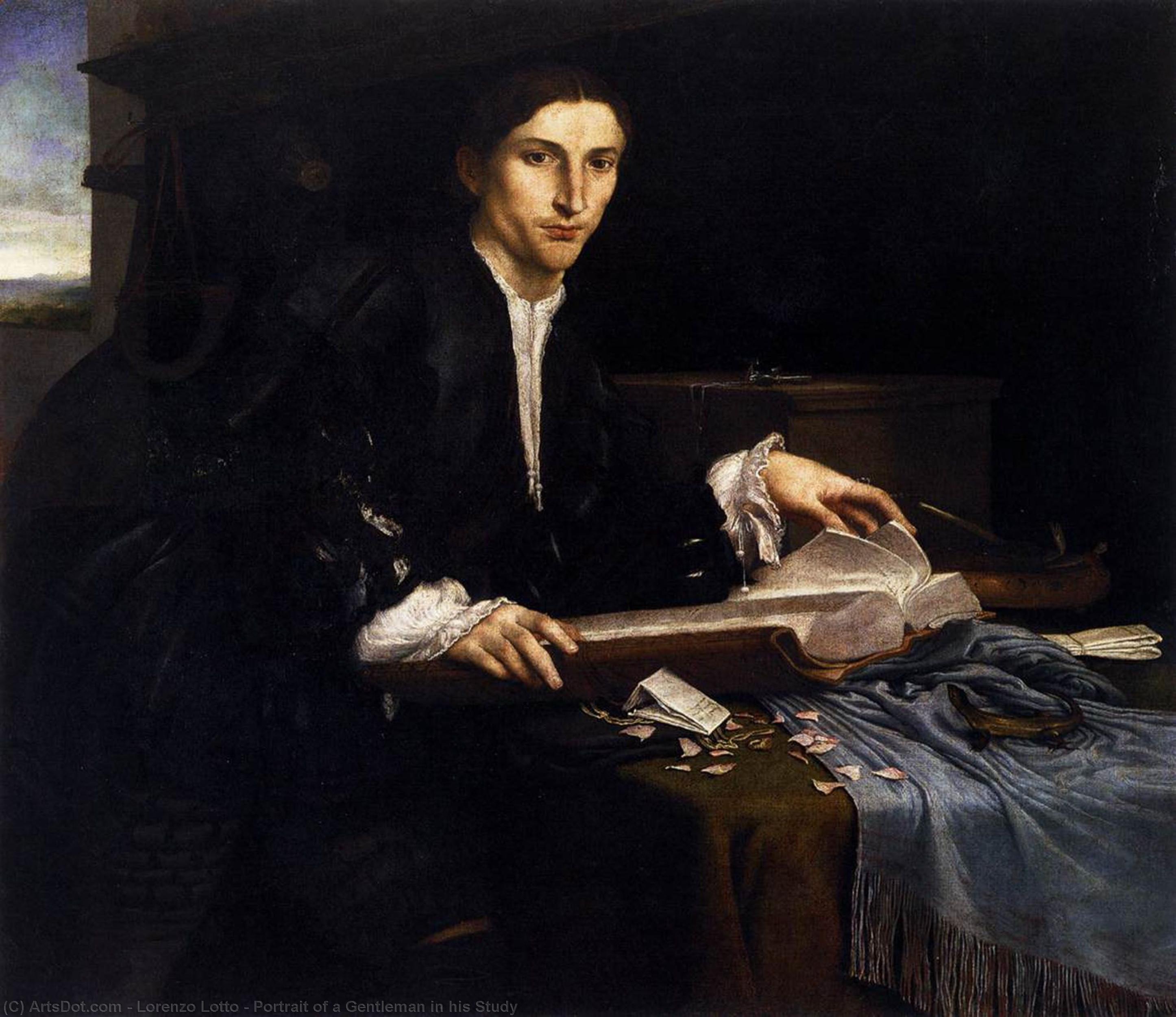
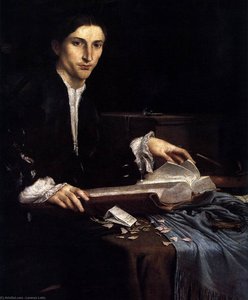
Portrait of a Gentleman in his Study
 Oil On Canvas
- WallArt
- Renaissance Mannerism
 1530
1530- Renaissance
 98.0 x 111.0 cm
 Gallerie dell'Accademia
 Read More
Purchase a high-resolution, enhanced digital image, far superior to the online preview.
Each file is meticulously prepared by our in-house specialists using advanced tools and expert manual retouching. We ensure every image has exceptional clarity, precise color accuracy, and fine detail.
The final file is delivered via email within 72 hours, optimized for immediate use in professional, editorial, and print environments. This is the same quality trusted by top-tier design studios, publishers, and galleries.
Digital Image
Download a high-resolution file for personal display, printing, and creative projects. ( Buy Print Buy Hand Made Painting)
Included in Every Digital Image Order
Expert Digital Delivery, Guaranteed
When you choose ArtsDot.com, you're not just getting an image - you're receiving a professionally enhanced digital artwork, crafted with precision and backed by a satisfaction guarantee. Here's everything that comes with your order, automatically:

Fast Email Delivery
Your high-resolution digital image file will be emailed to you within 72 hours of ordering - ready for immediate use.

AI-Enhanced Digital File
Your artwork is professionally optimized using advanced AI tools and manual editing, ensuring maximum detail, clarity, and color accuracy.

Free Lifetime Re-Delivery
Accidentally deleted or lost your file? No worries - we'll resend it to you anytime, free of charge.

No Import Fees - Ever
Enjoy your artwork instantly with zero customs, duties, or delivery fees - digital downloads are always tax-free.

Color Accuracy Guarantee
We ensure your digital image reflects the original colors as closely as possible using professional tools and color management.

60-Day Satisfaction Guarantee
If you're not satisfied with your digital image, we'll revise it or refund 100% within 60 days - no questions asked.

100% Money-Back Guarantee
Not satisfied? Get a full refund within 60 days of receiving your digital file - no questions asked.

Bulk Order Discounts
Buy 3 images, save 10% - Buy 5, save 15% - Buy 10+, save 20%. Great for creative projects, galleries, and agencies.
A Window into the Renaissance Soul
To stand before Lorenzo Lotto’s Portrait of a Gentleman in his Study is to step across a threshold into the quiet, contemplative heart of the Venetian Renaissance. Created around 1530, this oil-on-canvas masterpiece does far more than merely record a likeness; it captures an entire state of being. The subject, a man of dignity and composed intellect, sits ensconced in a private sanctuary of thought. Dressed in a somber dark tunic that contrasts sharply with a crisp white collar, his presence is both commanding and deeply personal. His gaze, directed outward toward the viewer or perhaps lost in a moment of profound abstraction, invites us to participate in his solitude. There is an unmistakable psychological depth here, a hallmark of Lotto’s unique ability to transcend the formal boundaries of portraiture to reveal the inner life of his sitter.
The atmosphere of the painting is thick with the scent of aged paper and the stillness of scholarly devotion. The table before the gentleman serves as a stage for the humanist ideals of the era, laden with books that signify a life dedicated to the pursuit of knowledge. Scattered amongst these volumes are subtle, evocative details: a bowl of fruit and a solitary spoon rest near the edge, suggesting a moment of domestic tranquility interrupted by intellectual labor. Even the presence of a clock hanging on the wall serves as a poignant memento mori, a gentle reminder of the relentless passage of time that underscores the fleeting nature of human existence even amidst the permanence of recorded thought.
Mastery of Light and Venetian Texture
Lotto’s technical prowess is on full display through his masterful application of chiaroscuro. The dramatic interplay between light and shadow does not merely define the physical contours of the man or the objects on his desk; it breathes life into the very air of the room. By skillfully layering glazes, Lotto achieves a velvety surface texture that captures the subtle nuances of skin tones and the heavy, tactile folds of drapery. This technique creates a profound sense of dimensionality, pulling the viewer into the three-dimensional space of the study.
For the discerning collector or interior designer, this painting offers an unparalleled sense of gravitas and sophistication. The composition possesses a balanced tension—a harmony between the heavy, dark tones of the gentleman's attire and the luminous highlights that dance across the tabletop. It is a work that commands attention in any setting, providing a focal point that is both intellectually stimulating and aesthetically soothing. Whether placed in a grand library or a contemporary study, a high-quality reproduction of this work brings with it the enduring elegance of the 16th century, offering a timeless connection to the era of humanism and the profound beauty of the contemplative life.
Related Artworks


Artist Biography
A Venetian Wanderer: The Life and Art of Lorenzo Lotto
Born in the vibrant heart of Venice around 1480, Lorenzo Lotto emerged as a distinctive voice within the Italian Renaissance, though his artistic journey would lead him far beyond the lagoon city’s celebrated studios. Unlike many of his contemporaries who firmly established themselves within specific schools or courts, Lotto embarked on a peripatetic career, traversing cities like Treviso, Rome, Bergamo, and Ancona before ultimately finding solace as a lay brother in Loreto. This itinerant existence profoundly shaped his artistic vision, exposing him to diverse influences while fostering an independent spirit that set him apart. While early training remains somewhat shrouded in mystery, it’s believed he absorbed the lessons of Giovanni Bellini, a leading figure of the Venetian school, yet Lotto quickly transcended simple imitation, forging a style uniquely his own—a blend of High Renaissance grace and nascent Mannerist sensibilities.Blending Traditions: Style and Influences
Lotto’s artistic signature lies in his remarkable ability to synthesize diverse influences into a cohesive and deeply personal aesthetic. His early works reveal the impact of Giorgione's poetic naturalism, particularly evident in the subtle atmospheric effects and lyrical compositions. However, a sojourn in Rome brought him into contact with the art of Raphael, imbuing his work with a newfound clarity of form and compositional balance. Later, during his extended stay in Bergamo, he absorbed elements of Lombard realism, adding a grounded physicality to his figures. This eclectic approach is not merely additive; Lotto masterfully integrated these influences, creating paintings that are both technically refined and emotionally resonant. He wasn’t afraid to experiment with perspective, often employing unusual vantage points to heighten the sense of drama or intimacy. His palette, while rooted in Venetian colorism, evolved over time, becoming increasingly vibrant and expressive. Susanna and the Elders, painted during his Bergamo period, exemplifies this maturity—a captivating narrative rendered with luminous colors and a keen psychological insight into the characters’ emotions.Portraits of the Soul: Lotto's Masterpieces
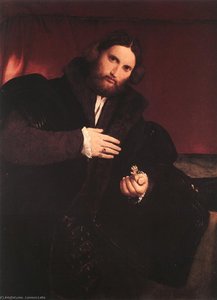
While Lotto excelled in religious painting, it is perhaps through his portraits that he truly distinguished himself. He possessed an extraordinary gift for capturing not just the physical likeness but also the inner life of his sitters. His portraits are rarely idealized; instead, they present individuals with all their complexities and vulnerabilities. Man with a Golden Paw, painted in 1527, is a prime example—a captivating study of a gentleman holding a small golden statuette, its symbolism open to interpretation but undeniably intriguing. The sitter’s gaze is direct and engaging, conveying a sense of intelligence and quiet contemplation. Similarly, Portrait of a 37-year-old Man, showcases Lotto's ability to convey personality through subtle details—the man’s clothing, his posture, the expression in his eyes all contribute to a compelling psychological portrait. These are not merely representations of individuals; they are windows into their souls.A Rediscovered Legacy: Historical Significance
Despite achieving considerable recognition during his lifetime, Lotto's reputation waned after his death in 1556 or 1557. His works, often dispersed throughout provincial churches and private collections, were largely overlooked for centuries. It wasn’t until the late 19th century, with Bernard Berenson’s groundbreaking scholarship, that Lotto experienced a significant revival of interest. Today, he is recognized as one of the most original and compelling artists of the Italian Renaissance. His unique blend of stylistic influences, his psychological depth, and his technical mastery continue to captivate audiences and inspire art historians. He stands as a testament to the power of artistic independence—a wanderer who forged his own path and left an indelible mark on the world of art. The rediscovery of Lotto’s oeuvre has enriched our understanding of the Renaissance, revealing a complex and multifaceted artist whose work deserves continued exploration and appreciation.
Lorenzo Lotto
1480 - 1556 , Italy
Quick Facts
- Artistic Movement Or Style: Renaissance, Mannerism
- Artists Who Influenced This Artist:
- Giovanni Bellini
- Giorgione
- Correggio
- Palma the Elder
- Date Of Birth: c. 1480
- Date Of Death: 1556/57
- Full Name: Lorenzo Lotto
- Nationality: Italian
- Notable Artworks:
- Virgin and Child with St. Jerome
- Allegory of Virtue and Vice
- St. Jerome in the desert
- Man with a Golden Paw
- Place Of Birth: Venice, Italy

