 Preview
 Send
Send Share
Share
 Details

 Download
 Similars
 X-Ray
X-Ray Diaporama
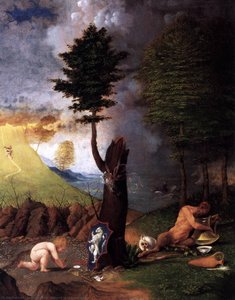
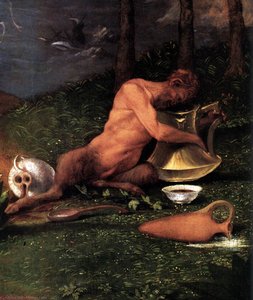
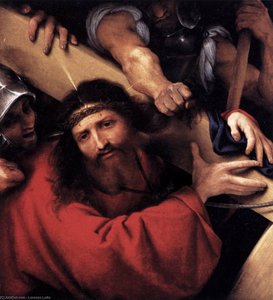
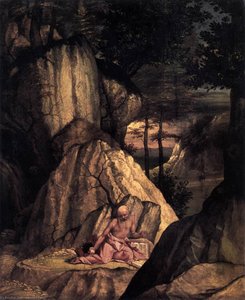
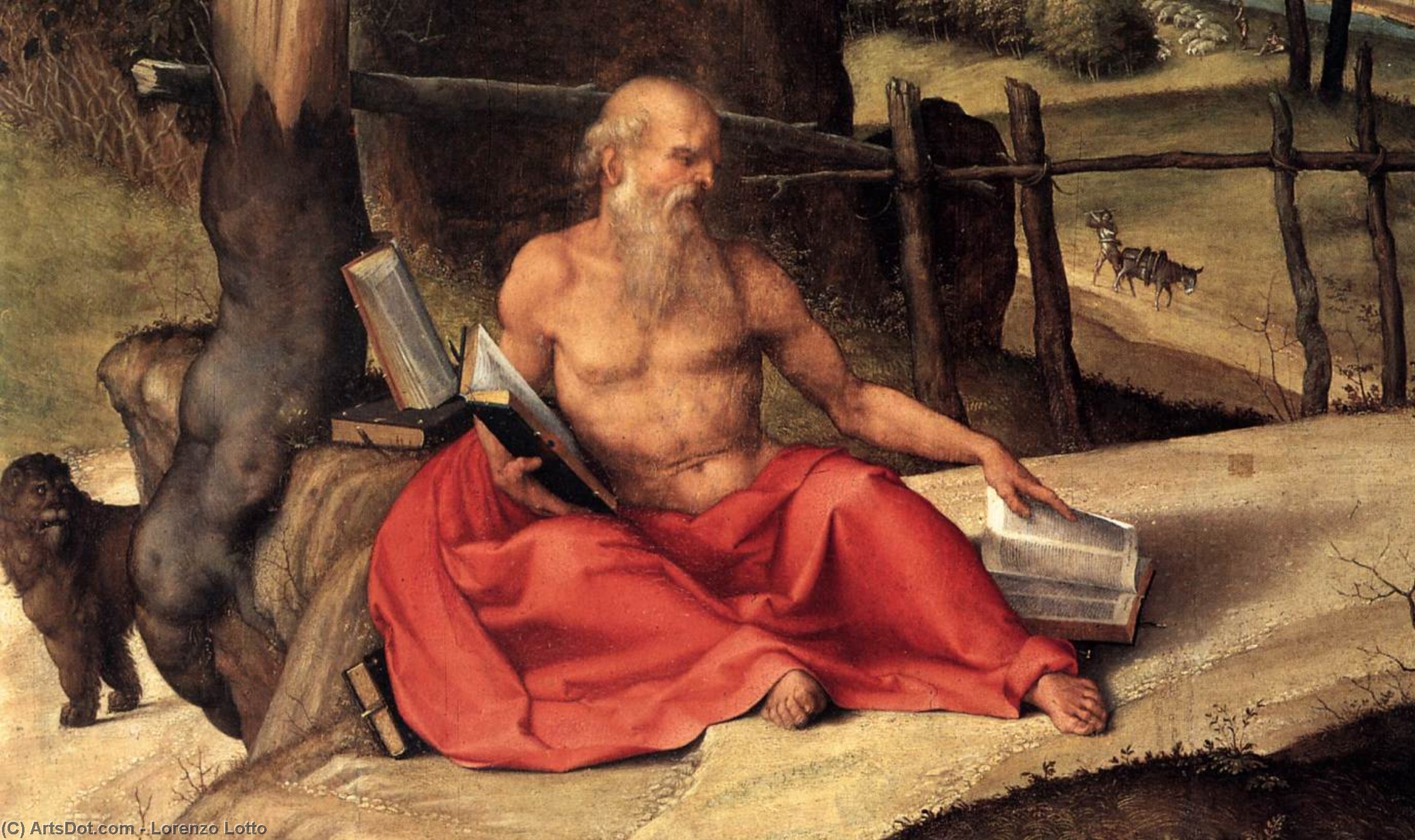
St Jerome in the Wilderness (detail)


 Read More
Giclée / Art Print
Museum-quality giclée or canvas print with fast production and flexible finish options. ( Buy Hand Made Painting Buy Image)




P118B $10

P118H $10

P118W $10

P438Z $10

P508JH $12

P508YH $12

P805H $10

P805Z $10

P919BZ $10

P919G $10

P919XJ $10

P959ZH $10

P968JZ $12

W106C $8

W218G $10

W218JH $8

W218Y $10

W307PJ $10

W316G $10

W316PJ $8

W316Y $10

W398PJ $8

W4111J $10

W500HY $15

W500JH $15

W692G $12

W849H $8

W940BG $15

W953PJ $8




Pick from our preset sizes that match the artwork's original proportions.

You may enter your own dimensions to fit a specific frame or space. If your selected size does not match the original image's proportions, we will either crop the artwork or extend the image with a mirrored or solid-fill edge. A digital mockup will be sent for your approval before production begins.
Please note that the on-screen preview does not reflect the actual cropping or extension. Only the mockup will accurately show the final composition.
While custom sizes are available, we recommend selecting a dimension from the predefined list to preserve the original proportions.
Worldwide Delivery () in 2 weeks instead of standard 4/5 weeks. (25 August)

Free Worldwide Express Shipping

High-Quality Linen Canvas

Full Shipping Insurance

Customs Tax Refund Guarantee

True Color Matching Guarantee

60-Day Return Policy (Defects Only)

100% Money-Back Guarantee

Bulk Discount Offer
 Glass option is only available in size under 110 CM

St Jerome in the Wilderness (detail)
Giclée / Art Print
Reproduction Size
-


Total Price
$ 63
Collectible Description
Lorenzo Lotto: Unveiling the Enigma of a Venetian Master's Portraits
Lorenzo Lotto (c. 1480 – 1556/57) stands apart from his contemporaries as a Venetian Renaissance painter, distinguished not merely by stylistic adherence but by an unwavering independence—a trait that propelled him across Italy and cemented his legacy as one of the era’s most perceptive artists. Unlike many of his peers who established themselves firmly within specific courts or artistic schools, Lotto embarked on a nomadic journey, traversing cities like Treviso, Rome, Bergamo, and Ancona before finding solace as a lay brother in Loreto. This itinerant existence profoundly shaped his artistic vision, exposing him to diverse influences while fostering an inner spirit that set him apart from the mainstream trends of his time.
Early training remains somewhat elusive, yet it’s believed Lotto absorbed the lessons imparted by Giovanni Bellini, a towering figure of Venetian painting. However, Lotto swiftly transcended mere imitation, forging a style uniquely his own—a harmonious blend of High Renaissance grace and nascent Mannerist sensibiliti. This distinctive approach is immediately apparent in his early works, notably “St Jerome in the Wilderness,” where the artist deftly captures the contemplative mood of Saint Jerome amidst the rugged landscape of the Judean wilderness.
The painting’s composition is meticulously crafted, prioritizing psychological depth over conventional grandeur. Lotto employs a muted palette dominated by earthy tones—ochres, browns, and greens—creating an atmosphere of solemn serenity. Light plays a crucial role in shaping the scene, illuminating Jerome's figure with a soft glow that emphasizes his posture and gaze. The artist’s masterful brushwork contributes to the painting’s textural richness, conveying the rough surface of the rock upon which Jerome sits.
Beyond its technical brilliance, “St Jerome” resonates powerfully with symbolic meaning. Lotto incorporates elements drawn from Christian iconography—the crucifix, symbolizing redemption—and draws inspiration from biblical narratives. The inclusion of a dog represents loyalty and companionship, mirroring Jerome’s spiritual quest for solace and guidance. Furthermore, the depiction of two figures in the background—one standing and one seated—suggests the presence of divine grace and human aspiration.
The painting's enduring appeal lies in Lotto’s ability to convey profound emotion without resorting to melodrama. The artist captures Jerome’s inner turmoil with subtle gestures and expressions, reflecting his struggle against temptation and his unwavering devotion to God. “St Jerome” remains a testament to Lotto’s artistic genius—a masterpiece that embodies the spirit of Renaissance humanism and continues to inspire viewers centuries later.
- Artist: Lorenzo Lotto
- Born Year: 1480
- Death Year: 1556
- Birth City: Venice
- Birth Country: Italy
Further research into Lotto’s oeuvre reveals a remarkable breadth of artistic endeavors, extending beyond portraiture to encompass altarpieces, religious subjects and decorative panels. His meticulous attention to detail—evident in his portraits and landscapes alike—underscores his commitment to capturing the essence of human experience.
Related Artworks
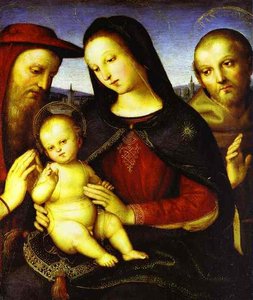
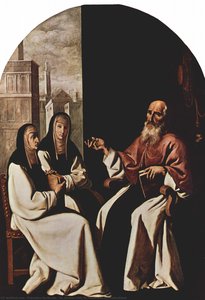
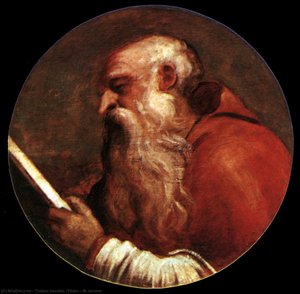
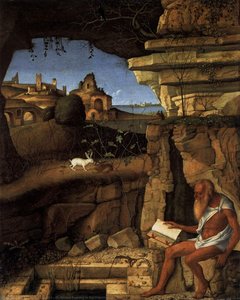
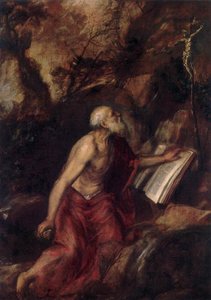
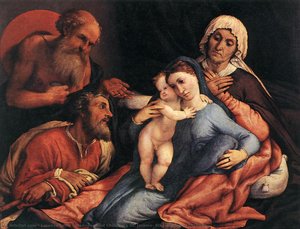
Artist Biography
A Venetian Wanderer: The Life and Art of Lorenzo Lotto
Born in the vibrant heart of Venice around 1480, Lorenzo Lotto emerged as a distinctive voice within the Italian Renaissance, though his artistic journey would lead him far beyond the lagoon city’s celebrated studios. Unlike many of his contemporaries who firmly established themselves within specific schools or courts, Lotto embarked on a peripatetic career, traversing cities like Treviso, Rome, Bergamo, and Ancona before ultimately finding solace as a lay brother in Loreto. This itinerant existence profoundly shaped his artistic vision, exposing him to diverse influences while fostering an independent spirit that set him apart. While early training remains somewhat shrouded in mystery, it’s believed he absorbed the lessons of Giovanni Bellini, a leading figure of the Venetian school, yet Lotto quickly transcended simple imitation, forging a style uniquely his own—a blend of High Renaissance grace and nascent Mannerist sensibilities.Blending Traditions: Style and Influences
Lotto’s artistic signature lies in his remarkable ability to synthesize diverse influences into a cohesive and deeply personal aesthetic. His early works reveal the impact of Giorgione's poetic naturalism, particularly evident in the subtle atmospheric effects and lyrical compositions. However, a sojourn in Rome brought him into contact with the art of Raphael, imbuing his work with a newfound clarity of form and compositional balance. Later, during his extended stay in Bergamo, he absorbed elements of Lombard realism, adding a grounded physicality to his figures. This eclectic approach is not merely additive; Lotto masterfully integrated these influences, creating paintings that are both technically refined and emotionally resonant. He wasn’t afraid to experiment with perspective, often employing unusual vantage points to heighten the sense of drama or intimacy. His palette, while rooted in Venetian colorism, evolved over time, becoming increasingly vibrant and expressive. Susanna and the Elders, painted during his Bergamo period, exemplifies this maturity—a captivating narrative rendered with luminous colors and a keen psychological insight into the characters’ emotions.Portraits of the Soul: Lotto's Masterpieces
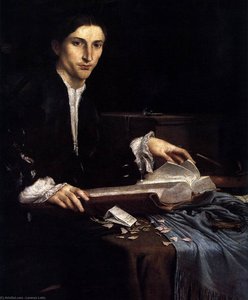
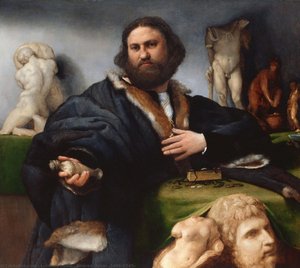
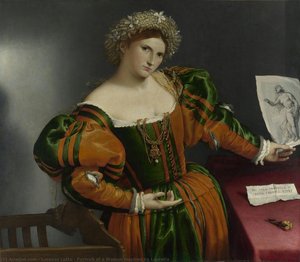
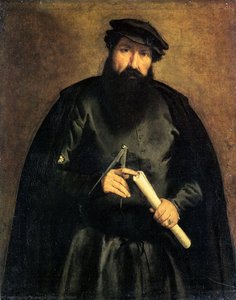
While Lotto excelled in religious painting, it is perhaps through his portraits that he truly distinguished himself. He possessed an extraordinary gift for capturing not just the physical likeness but also the inner life of his sitters. His portraits are rarely idealized; instead, they present individuals with all their complexities and vulnerabilities. Man with a Golden Paw, painted in 1527, is a prime example—a captivating study of a gentleman holding a small golden statuette, its symbolism open to interpretation but undeniably intriguing. The sitter’s gaze is direct and engaging, conveying a sense of intelligence and quiet contemplation. Similarly, Portrait of a 37-year-old Man, showcases Lotto's ability to convey personality through subtle details—the man’s clothing, his posture, the expression in his eyes all contribute to a compelling psychological portrait. These are not merely representations of individuals; they are windows into their souls.A Rediscovered Legacy: Historical Significance
Despite achieving considerable recognition during his lifetime, Lotto's reputation waned after his death in 1556 or 1557. His works, often dispersed throughout provincial churches and private collections, were largely overlooked for centuries. It wasn’t until the late 19th century, with Bernard Berenson’s groundbreaking scholarship, that Lotto experienced a significant revival of interest. Today, he is recognized as one of the most original and compelling artists of the Italian Renaissance. His unique blend of stylistic influences, his psychological depth, and his technical mastery continue to captivate audiences and inspire art historians. He stands as a testament to the power of artistic independence—a wanderer who forged his own path and left an indelible mark on the world of art. The rediscovery of Lotto’s oeuvre has enriched our understanding of the Renaissance, revealing a complex and multifaceted artist whose work deserves continued exploration and appreciation.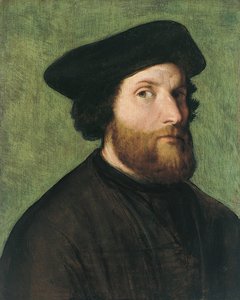
Lorenzo Lotto
1480 - 1556 , Italy
Quick Facts
- Artistic Movement Or Style: Renaissance, Mannerism
- Artists Who Influenced This Artist:
- Giovanni Bellini
- Giorgione
- Correggio
- Palma the Elder
- Date Of Birth: c. 1480
- Date Of Death: 1556/57
- Full Name: Lorenzo Lotto
- Nationality: Italian
- Notable Artworks:
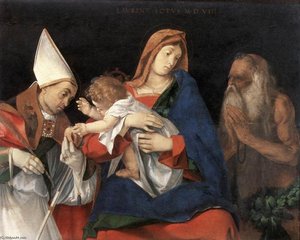
- Virgin and Child with St. Jerome
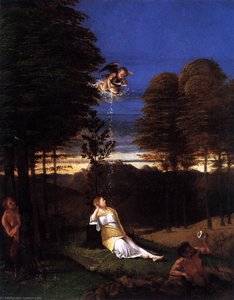
- Allegory of Virtue and Vice
- St. Jerome in the desert
- Man with a Golden Paw
- Place Of Birth: Venice, Italy
Related Articles
Earthy Hues & Masterpieces: Top 10 Paintings with 'Mushroom' Tones |
Explore 10 iconic paintings with captivating 'mushroom' tones! Discover Van Gogh, Monet & Rembrandt’s masterpieces—earthy palettes, rich history & artistic techniques. Find museum-quality art reproductions and curated decor ideas at

Sandstone & Sunlight: 10 Masterpieces of Earth-Toned Art |
Journey through 10 iconic paintings bathed in 'sand' tones – from Van Gogh to Monet. Explore the stories, techniques & warm palettes of these timeless masterpieces. Find museum-quality art reproductions at and bring classic beauty home.

Jacopo Tintoretto's Masterpieces: 25 Paintings That Define Venetian Drama | ArtsDot
Explore 25 breathtaking masterpieces by Jacopo Tintoretto, the Venetian master of drama and light. Discover the stories behind iconic Renaissance paintings & find museum-quality art reproductions to elevate your home decor on ArtsDot.com.
Earthy Hues & Masterpieces: Top 10 Paintings Dominated by Clay Tones |
Explore 10 iconic paintings dominated by rich clay tones – from Rembrandt's warmth to Van Gogh’s earthy landscapes. Discover art history, techniques & find museum-quality reproductions at . Explore the full collection online!
Earthy Tones & Emotional Resonance: Exploring the Vibe of Grounded Artworks
Explore the emotional power of earthy tones in art history! Discover how artists use color to evoke feelings & create grounded spaces. Expert advice on selecting artwork for your home – plus custom reproductions at ArtsDot.