

 Preview
 Send
Send Share
Share
 Details

 Download
 Similars
 X-Ray
X-Ray Diaporama
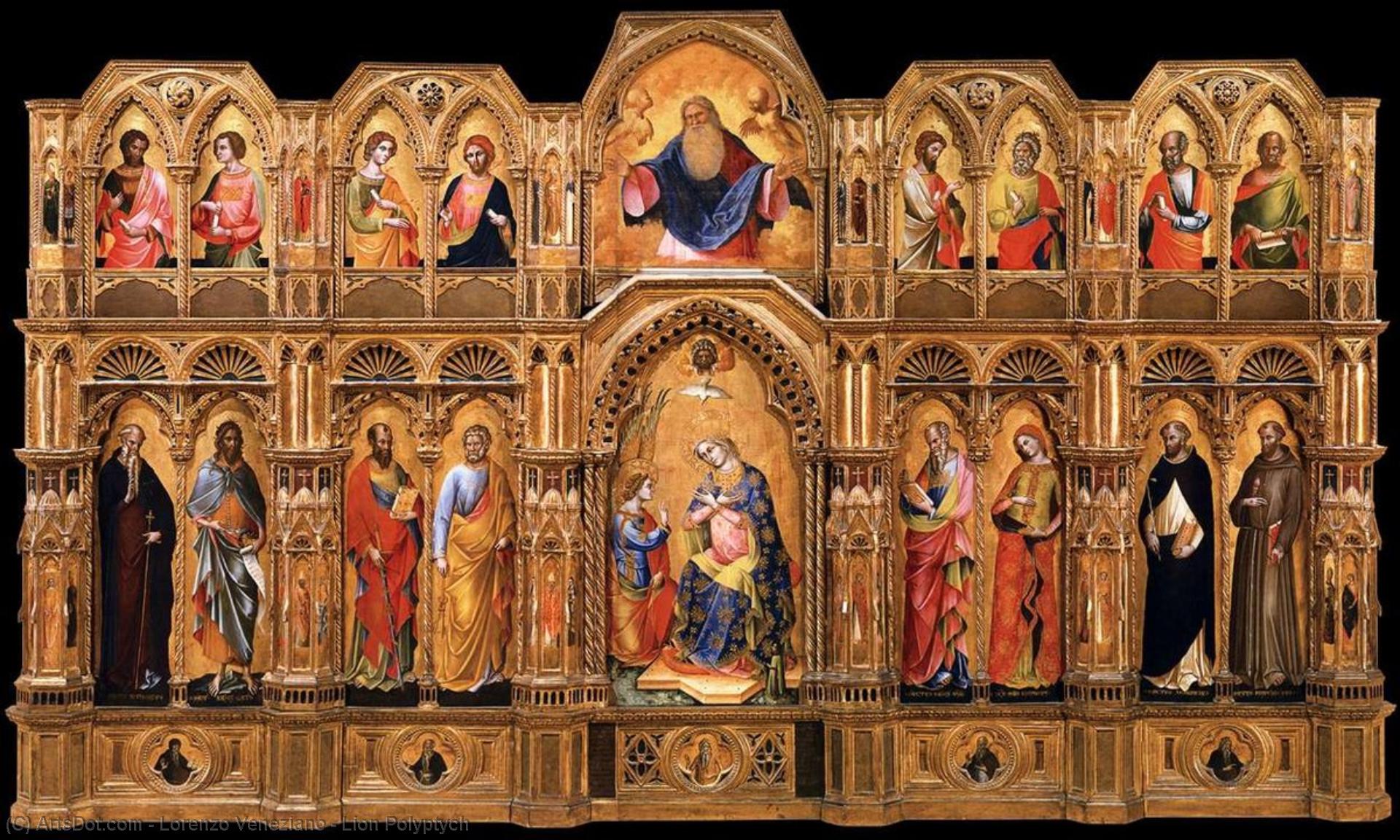
Lion Polyptych


 Read More
Purchase a high-resolution, enhanced digital image, far superior to the online preview.
Each file is meticulously prepared by our in-house specialists using advanced tools and expert manual retouching. We ensure every image has exceptional clarity, precise color accuracy, and fine detail.
The final file is delivered via email within 72 hours, optimized for immediate use in professional, editorial, and print environments. This is the same quality trusted by top-tier design studios, publishers, and galleries.
Digital Image
Download a high-resolution file for personal display, printing, and creative projects. ( Buy Print Buy Hand Made Painting)
Included in Every Digital Image Order
Expert Digital Delivery, Guaranteed
When you choose ArtsDot.com, you're not just getting an image - you're receiving a professionally enhanced digital artwork, crafted with precision and backed by a satisfaction guarantee. Here's everything that comes with your order, automatically:

Fast Email Delivery
Your high-resolution digital image file will be emailed to you within 72 hours of ordering - ready for immediate use.

AI-Enhanced Digital File
Your artwork is professionally optimized using advanced AI tools and manual editing, ensuring maximum detail, clarity, and color accuracy.

Free Lifetime Re-Delivery
Accidentally deleted or lost your file? No worries - we'll resend it to you anytime, free of charge.

No Import Fees - Ever
Enjoy your artwork instantly with zero customs, duties, or delivery fees - digital downloads are always tax-free.

Color Accuracy Guarantee
We ensure your digital image reflects the original colors as closely as possible using professional tools and color management.

60-Day Satisfaction Guarantee
If you're not satisfied with your digital image, we'll revise it or refund 100% within 60 days - no questions asked.

100% Money-Back Guarantee
Not satisfied? Get a full refund within 60 days of receiving your digital file - no questions asked.

Bulk Order Discounts
Buy 3 images, save 10% - Buy 5, save 15% - Buy 10+, save 20%. Great for creative projects, galleries, and agencies.
Collectible Description
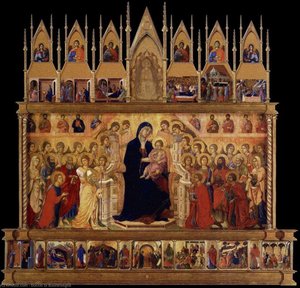
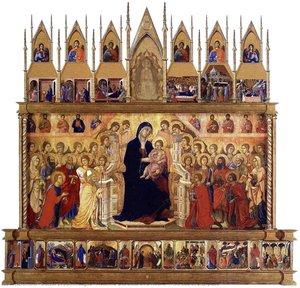
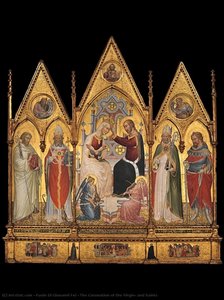
The Lion Polyptych: A Symphony of Byzantine Echoes and Venetian Innovation
The Lion Polyptych by Lorenzo Veneziano stands as an emblem of artistic transition—a bridge between the grandeur of Byzantium and the burgeoning dynamism of the Renaissance. Created in 1357 for the church of Sant'Antonio Abate in Venice, this monumental altarpiece transcends mere decoration; it embodies a profound engagement with religious iconography and masterful execution that continues to inspire awe centuries later.
Historical Context: Venice during the mid-XIV century was at the epicenter of artistic fervor. The Venetian Republic fostered patronage—wealthy families commissioned ambitious artworks, propelling innovation and establishing Venice as a cultural powerhouse. Veneziano’s work reflects this environment, drawing heavily on Byzantine traditions while simultaneously embracing stylistic developments that would characterize the coming era.
Style & Technique: Veneziano skillfully blended Byzantine influences with Gothic sensibilities. The dominant style is characterized by luminous colors—particularly gold leaf—applied to create an ethereal glow and convey divine splendor. Tempera paint, a technique favored during the Gothic period, ensured exceptional detail and durability. Observe the meticulous layering of pigments, demonstrating Veneziano’s dedication to achieving realism while maintaining symbolic resonance.
Composition & Symbolism: The central panel depicts the Annunciation—a pivotal biblical narrative symbolizing divine grace and humility. Surrounding figures represent saints and angels, each meticulously rendered with expressive gestures and drapery that convey spiritual significance. The architectural framework of the polyptych—arches and columns—emphasizes grandeur and reinforces the sacred space it inhabits. The lion motif, prominent in the depiction of Saint Mark the Evangelist, symbolizes Venice’s strength and piety.
Emotional Impact: Gazing upon the Lion Polyptych evokes a sense of reverence and contemplation. Its vibrant colors and intricate details transport viewers back to medieval Venice, immersing them in a world steeped in faith and artistic brilliance. The painting's enduring appeal lies not merely in its aesthetic beauty but also in its ability to communicate profound spiritual truths—a testament to Veneziano’s genius as both an artist and storyteller.
Acquiring a Reproduction: For those seeking to experience the majesty of this masterpiece firsthand, ArtsDot.com offers exceptional reproductions crafted by skilled artisans using traditional techniques. Visit ArtsDot.com to explore their meticulous process and bring the Lion Polyptych’s splendor into your home.
Further Exploration: Learn more about Lorenzo Veneziano and his artistic legacy at Wikipedia.
Related Artworks

Artist Biography
The Echoes of Byzantium: Unveiling the Legacy of the Master of 1336
The year 1336 resonates within the artistic landscape of Italy, inextricably linked to a figure shrouded in intriguing mystery – the Master of 1336. More accurately known as Giovanni Lipini, this artist’s name, derived from a miraculous fresco depicting the Virgin Mary at Santa Maria delle Grazie in Pistoia, offers a tantalizing glimpse into his origins and enduring influence. While much about his life remains elusive, piecing together fragments of evidence reveals an artist deeply rooted in the traditions of Byzantine painting yet forging a uniquely expressive style that would profoundly impact the burgeoning Renaissance movement. Born around 1301 and tragically passing away in 1379, the Master’s brief but impactful career left behind a legacy of emotionally charged narratives and remarkably detailed figures – works that continue to captivate art historians today.
The early years of the Master's life are largely speculative. He emerged during a period of significant artistic transition in Italy, where the influence of Byzantine painting, brought over by Venetian traders and artists, still held considerable sway. However, this wasn’t simply imitation; rather, it was a careful adaptation and reinterpretation. His work demonstrates a clear debt to Giotto di Bondone, a pivotal figure who began to break away from the rigid conventions of Byzantine art and introduce elements of naturalism and human emotion into his paintings. Giotto's influence, transmitted through artists like Maso di Banco and Puccio di Simone, all active in Pistoia during this period, shaped the Master’s approach – a remarkable synthesis of formal structure and expressive intensity.
- Early Works: The Empoli Polyptych
- The earliest known work attributed to the Master is the magnificent polyptych housed in the Museo della Collegiata in Empoli. This piece, dating from around 1328-1330, showcases his developing style – a careful balance between Byzantine formality and emerging naturalism.
- The Popiglio Panel
- Another significant early work is the panel depicting the Virgin Mary with Child, formerly located in the church of Popiglio and now residing in the Museo Civico in Pistoia. This painting exemplifies the Master’s growing skill in portraying human emotion and capturing subtle details.
The Master's most celebrated work is undoubtedly the fresco depicting the Madonna and Child, found within the Church of San Domenico in Pistoia. This piece, completed around 1336 (the year that gave his name to the artistic designation), stands as a testament to his ability to imbue religious subjects with profound emotional resonance. The figures are rendered with an unprecedented degree of realism – their faces conveying a range of emotions from serene contemplation to heartfelt devotion. The composition is carefully balanced, drawing the viewer's eye towards the central figure of the Virgin Mary and her child.
A Synthesis of Styles: Byzantine Roots and Renaissance Seeds
While firmly rooted in the traditions of Byzantine painting, the Master’s work demonstrates a remarkable willingness to experiment with new techniques and approaches. He skillfully employed tempera on panel, creating luminous surfaces that captured the richness of color and detail. His use of perspective, though rudimentary by Renaissance standards, was noticeably more advanced than that found in contemporary works. The figures are not merely flat representations but possess a palpable sense of volume and depth.
- Color Palette
- The Master favored a rich, jewel-toned palette – deep blues, vibrant reds, and shimmering golds – reminiscent of Byzantine iconography.
- Compositional Techniques
- He employed dynamic compositional techniques, creating a sense of movement and drama within his paintings.
Crucially, the Master’s work wasn't simply a revival of Byzantine styles; it was a deliberate evolution. He absorbed the lessons of Giotto and Maso di Banco, incorporating elements of naturalism and human emotion into his compositions while retaining the formal elegance and spiritual depth of Byzantine art. This synthesis – a harmonious blend of tradition and innovation – is what distinguishes the Master’s work and makes it such a significant contribution to the development of Italian painting.
Historical Context and Legacy
The Master of 1336 operated during a period of profound social and political upheaval in Italy. The Black Death had ravaged Europe, leaving a lasting impact on society and culture. Religious fervor was high, fueled by the desire for divine protection and solace. This context undoubtedly influenced the themes and imagery found in the Master’s paintings – particularly his depictions of the Virgin Mary, who was often invoked as a protector against disease and misfortune.
Despite the relative scarcity of surviving works, the Master's influence is undeniable. He stands as a pivotal figure in the transition from Byzantine to Renaissance painting, bridging the gap between two distinct artistic traditions. His work demonstrates a remarkable sensitivity to human emotion and a profound understanding of religious iconography. The legacy of the Master of 1336 continues to resonate today, reminding us of the enduring power of art to express both spiritual longing and human experience.
Further Resources

lorenzo veneziano
1336 - 1379 , Italy
Quick Facts
- Artistic Movement Or Style: Byzantine art
- Artists Or Movements Influenced By This Artist:
- Giotto
- Duccio
- Artists Who Influenced This Artist:
- Giunta Pisano
- Coppo di Marcovaldo
- Date Of Death: 1302
- Full Name: Cimabue di Giovannino da Fano
- Nationality: Italian
- Notable Artworks:
- Sta. Trinità Madonna
- Madonna Enthroned
- Place Of Birth: Florence, Italy

