

 Preview
 Send
Send Share
Share
 Details

 Download
 Similars
 X-Ray
X-Ray Diaporama
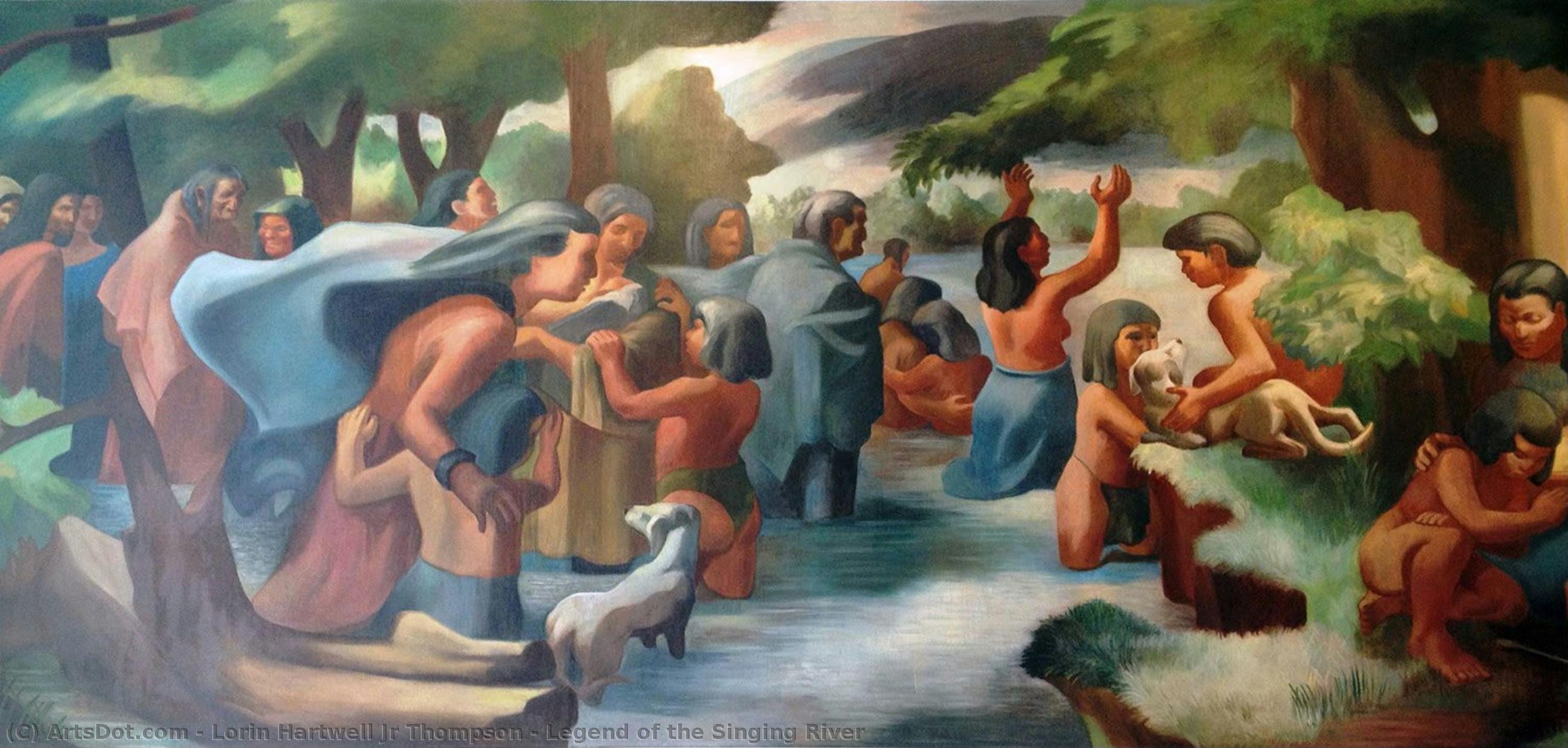
Legend of the Singing River


 Read More
Purchase a high-resolution, enhanced digital image, far superior to the online preview.
Each file is meticulously prepared by our in-house specialists using advanced tools and expert manual retouching. We ensure every image has exceptional clarity, precise color accuracy, and fine detail.
The final file is delivered via email within 72 hours, optimized for immediate use in professional, editorial, and print environments. This is the same quality trusted by top-tier design studios, publishers, and galleries.
Digital Image
Download a high-resolution file for personal display, printing, and creative projects. ( Buy Print Buy Hand Made Painting)
Included in Every Digital Image Order
Expert Digital Delivery, Guaranteed
When you choose ArtsDot.com, you're not just getting an image - you're receiving a professionally enhanced digital artwork, crafted with precision and backed by a satisfaction guarantee. Here's everything that comes with your order, automatically:

Fast Email Delivery
Your high-resolution digital image file will be emailed to you within 72 hours of ordering - ready for immediate use.

AI-Enhanced Digital File
Your artwork is professionally optimized using advanced AI tools and manual editing, ensuring maximum detail, clarity, and color accuracy.

Free Lifetime Re-Delivery
Accidentally deleted or lost your file? No worries - we'll resend it to you anytime, free of charge.

No Import Fees - Ever
Enjoy your artwork instantly with zero customs, duties, or delivery fees - digital downloads are always tax-free.

Color Accuracy Guarantee
We ensure your digital image reflects the original colors as closely as possible using professional tools and color management.

60-Day Satisfaction Guarantee
If you're not satisfied with your digital image, we'll revise it or refund 100% within 60 days - no questions asked.

100% Money-Back Guarantee
Not satisfied? Get a full refund within 60 days of receiving your digital file - no questions asked.

Bulk Order Discounts
Buy 3 images, save 10% - Buy 5, save 15% - Buy 10+, save 20%. Great for creative projects, galleries, and agencies.
Collectible Description
Related Artworks








Artist Biography
Romare Bearden: A Tapestry of American Experience
Romare Howard Bearden, born September 2, 1911, in Charlotte, North Carolina, and passing away March 12, 1988, in New York City, was more than just an artist; he was a chronicler of the Black experience in America. His life unfolded as a rich tapestry woven with threads of social work, journalism, education, and, most profoundly, his deeply personal and intensely expressive art. Bearden’s journey began modestly – attending Lincoln University, Boston University, and ultimately graduating from New York University with a degree in education – yet it quickly blossomed into a career marked by innovation, intellectual rigor, and a profound engagement with the complexities of identity and history. His work wasn't simply decorative; it was a deliberate act of remembering, reflecting, and reimagining the African American narrative within the broader context of American society.- Early Influences & Social Activism: Bearden’s formative years were shaped by his family’s roots in Charlotte and his early exposure to the vibrant Black community there. He began his career as a weekly editorial cartoonist for the Baltimore Afro-American newspaper, a role that instilled in him a commitment to social justice and a keen awareness of racial inequalities. This period laid the groundwork for his later work, which frequently addressed themes of segregation, migration, and the struggles faced by African Americans. His time as a social worker further deepened his understanding of human suffering and fueled his desire to use art as a means of empathy and connection.
- A Synthesis of Styles: Bearden’s artistic style was remarkably eclectic, drawing inspiration from a vast range of sources – Western masters like Giotto and Matisse, African sculpture and textiles, Byzantine mosaics, Japanese prints, and even the imagery of jazz music. He masterfully blended these influences into a distinctly personal language, employing techniques ranging from collage and watercolor to oil painting and photomontage. His collages, in particular, became his signature, utilizing fragments of newspapers, magazines, and advertisements to create layered narratives that explored themes of memory, displacement, and cultural identity.
- The Harlem Renaissance & Beyond: Bearden’s artistic development was inextricably linked to the legacy of the Harlem Renaissance. He embraced the spirit of innovation and experimentation that characterized this era while forging his own unique path. His work reflected both the optimism and the disillusionment of the time, capturing the energy and vitality of Black culture alongside its struggles for equality and recognition. He continued to contribute significantly to the arts community, establishing venues like The Studio Museum in Harlem and Cinque Gallery, demonstrating a lifelong dedication to supporting emerging artists.
Marcel Storr: Visions from the Unconscious
Born in Paris on December 25, 1911, Marcel Storr’s life was marked by both profound isolation and an extraordinary artistic vision. Abandoned as a child and enduring a difficult upbringing characterized by deafness and mental illness, Storr retreated into a world of his own making – a world populated by towering, fantastical structures that seemed to emerge from the depths of his subconscious. His art is not easily categorized; it exists in a realm between Surrealism, architectural fantasy, and a deeply personal exploration of memory and trauma. Storr’s story is one of quiet resilience and an unwavering commitment to his unique artistic practice, producing a remarkably consistent body of work despite facing significant personal challenges.- A Life Shaped by Isolation: Storr's early life was profoundly shaped by abandonment and hardship. He spent his youth working in various menial jobs, including farm labor and as a street sweeper, experiences that likely contributed to the starkness and solitude of his later work. His increasing deafness further isolated him from the outside world, creating an environment where his imagination could flourish unchecked.
- The Architecture of Dreams: Storr’s most recognizable works are his monumental drawings depicting colossal structures – palatial cathedrals, ziggurat-like cities, and otherworldly urban landscapes. These images are imbued with a dreamlike quality, evoking both grandeur and unease. They draw inspiration from diverse sources: the temples of Angkor Wat, science fiction illustrations, and even the elaborate sculptures of Ferdinand Cheval. The sheer scale of these drawings is overwhelming, suggesting an attempt to capture the immensity of memory and emotion.
- A Legacy Rediscovered: Storr’s work remained largely unknown for decades after his death in 1976. It was only in 2001 that a small selection of his drawings were exhibited at the Halle Saint-Pierre in Paris, followed by a major retrospective in 2011. His rediscovery highlights the importance of recognizing and celebrating artists who have been overlooked or marginalized – artists whose visions may not immediately align with prevailing artistic trends but nonetheless offer profound insights into the human condition.
Romare Bearden: Chronicler of Black Life
Romare Bearden’s art is a vibrant testament to the richness and complexity of African American life in the 20th century. Born September 2, 1911, in Charlotte, North Carolina, Bearden's work transcends mere representation; it’s an immersive experience that draws upon his personal history, social consciousness, and artistic influences. His collages, watercolors, oils, and prints are not simply images but carefully constructed narratives—fragments of memory, echoes of cultural heritage, and poignant reflections on the Black American experience.- A Dual Identity: Bearden’s life was defined by a dual identity – as an African American artist and as a social worker dedicated to serving his community. This intersection profoundly shaped his artistic vision, leading him to explore themes of migration, segregation, and the resilience of Black culture. His work frequently depicted scenes from Harlem, Pittsburgh, and his native North Carolina, capturing the everyday lives and struggles of ordinary people.
- Collage as Narrative: Bearden’s mastery of collage is central to his artistic practice. He skillfully combined fragments of newspapers, magazines, and advertisements—discarded materials imbued with cultural significance—to create layered compositions that evoked memory, displacement, and the complexities of identity. His collages are not merely assemblages; they're carefully orchestrated narratives, inviting viewers to piece together their own interpretations.
- Beyond Representation: Bearden’s work is notable for its emotional depth and psychological complexity. He didn’t simply depict Black people; he explored the interior lives of his subjects—their hopes, fears, joys, and sorrows. His art is infused with a sense of longing, nostalgia, and a profound understanding of the human condition. His legacy extends beyond his artistic achievements to include his commitment to supporting young artists and fostering cultural dialogue.
Louise Bourgeois: Excavating the Inner Landscape
Louise Bourgeois’s art is an intensely personal exploration of memory, trauma, and the female experience. Born December 25, 1911, in Paris, France, her life was marked by profound loss, isolation, and a relentless pursuit of artistic expression. Bourgeois's work—sculptures, installations, paintings, and prints—is characterized by its raw emotionality, unsettling imagery, and a willingness to confront difficult subjects with unflinching honesty. Her art is not merely decorative; it’s a visceral excavation of the inner landscape—a testament to the enduring power of memory and the complexities of human relationships.- A Childhood Shaped by Loss: Bourgeois's early life was profoundly shaped by the loss of her mother, who died when she was just two years old. This event left an indelible mark on her psyche, shaping her artistic vision and fueling a lifelong preoccupation with themes of family, death, and the unconscious. Her childhood experiences—including abandonment and isolation—contributed to her distinctive artistic style.
- The Spider Series: Perhaps Bourgeois’s most iconic series is the “Spider” works – sculptures, drawings, and tapestries depicting spiders and webs. These images are deeply symbolic, representing both protection and entrapment, creation and destruction. The spider, in Bourgeois's vision, embodies her own complex relationship with motherhood—a force that can be both nurturing and demanding.
- A Legacy of Vulnerability: Louise Bourgeois’s art is characterized by its vulnerability and honesty. She refused to shy away from difficult subjects—her own personal traumas, the complexities of family relationships, and the darker aspects of human experience. Her work invites viewers to confront their own fears and anxieties while offering a profound meditation on the nature of memory, loss, and resilience.
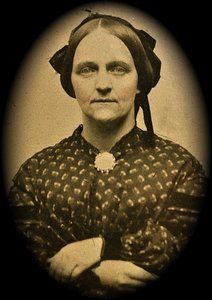
lorin hartwell jr thompson
1911 - 1997 , United States of America
Quick Facts
- Artistic Movement Or Style: Surrealism, Feminist art
- Artists Or Movements Influenced By This Artist: ['Abstract expressionists']
- Artists Who Influenced This Artist: ['Fernand Léger']
- Date Of Birth: 25 December 1911
- Date Of Death: 31 May 2010
- Full Name: Louise Joséphine Bourgeois
- Nationality: French, American
- Notable Artworks:
- Cells
- Cumul I
- The Destruction of the Father
- Place Of Birth: Paris, France

