

 Preview
 Send
Send Share
Share
 Details

 Download
 Similars
 X-Ray
X-Ray Diaporama
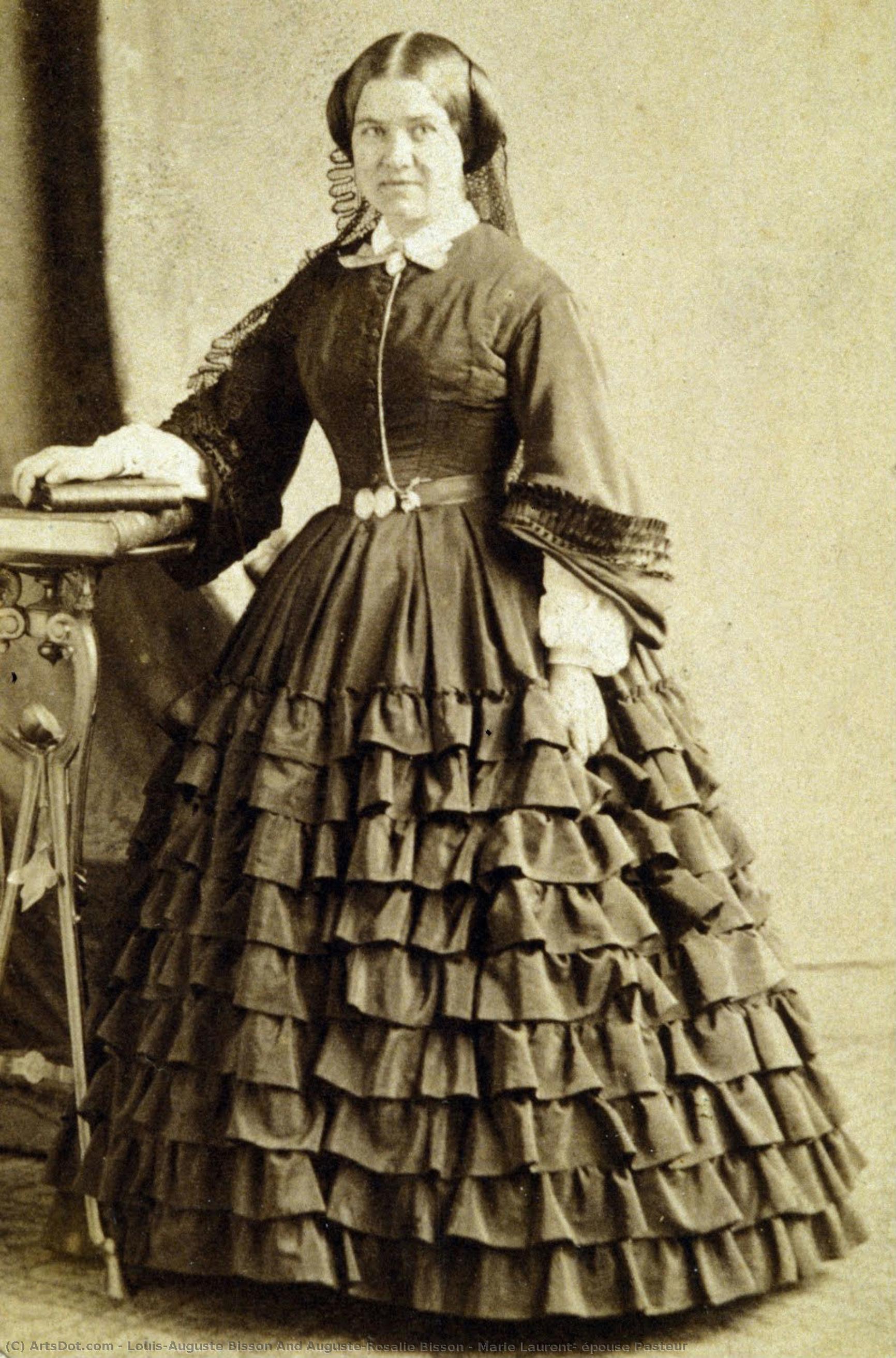
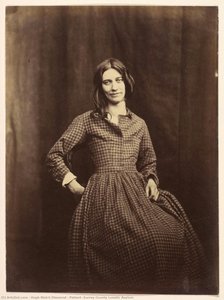
Marie Laurent, épouse Pasteur

 Read More
Hand Made Oil Reproduction
Hand-painted oil on canvas in your size and frame, made to order by our artists. ( Buy Print Buy Image)




































Pick from our preset sizes that match the artwork's original proportions.

You may enter your own dimensions to fit a specific frame or space. If your selected size does not match the original image's proportions, we will either crop the artwork or extend the painting with additional hand-painted elements. A digital mockup will be sent for your approval before production begins.
Please note that the on-screen preview does not reflect the actual cropping or extension. Only the mockup will accurately show the final composition.
While custom sizes are available, we recommend selecting a dimension from the predefined list to preserve the original proportions.
After order, ArtsDot.com team will email client for instructions and provide a mockup preview
Worldwide Delivery () in 3/4 weeks instead of standard 5 weeks. (17 August). No compromise on quality.

Free Worldwide Express Shipping

High-Quality Linen Canvas

Full Shipping Insurance

Customs Tax Refund Guarantee

True Color Matching Guarantee

60-Day Return Policy (Defects Only)

100% Money-Back Guarantee

Bulk Discount Offer
 Glass option is only available in size under 110 CM

Marie Laurent, épouse Pasteur
Reproduction Medium
Reproduction Size
-


Total Price
$ 263
Artwork Description
Related Artworks
Artist Biography
The Pioneering Vision of the Bisson Frères
In the nascent days of photography, when the medium was still grappling with its identity and potential, two brothers—Louis-Auguste Bisson (1814–1876) and Auguste-Rosalie Bisson (1826–1900)—emerged as pivotal figures. Operating in Paris from 1841 onwards as “Bisson Frères,” they weren’t merely documenting the world; they were transforming how it was seen, establishing a new standard for large-scale photographic landscapes and architectural studies. Their story is one of artistic ambition, technical mastery, and a refusal to compromise their vision in an era rapidly embracing commercialization.
Louis-Auguste, initially trained as an architect, possessed a keen eye for composition and spatial relationships—qualities that would profoundly shape his photographic work. He learned the daguerreotype process directly from Louis Daguerre himself, quickly recognizing its potential beyond simple portraiture. The early years saw them experimenting with animal portraits, notably horses, likely encouraged by their close relationship with Rosa Bonheur, a celebrated animal painter of the time. This foundation in detail and form laid the groundwork for their later, more ambitious projects. The partnership with Auguste, born eight years after Louis-Auguste, proved crucial; together they formed a dynamic creative force.
Monumental Visions: Capturing Europe’s Grandeur
The Bisson Frères quickly gained renown for their breathtaking photographs of European monuments and landscapes. They weren't content with small, intimate studies; instead, they embraced the challenge of capturing vast architectural structures and sweeping vistas with remarkable clarity and detail. Their studio on Boulevard des Capucines placed them at the heart of Parisian artistic life, alongside contemporaries like Gustave Le Gray. Their work in the mid-1850s rivaled that of the most esteemed photographers of the period, focusing on iconic sites from Roman antiquity to the majestic cathedrals of France.
The brothers’ approach was characterized by a commitment to technical excellence. They employed the collodion process, utilizing exceptionally large negatives—often reaching 30 cm x 40 cm (12” x 16”). This allowed for an unparalleled level of detail and tonal range, rendering their images with stunning realism. Their photographs of Chartres Cathedral from the late 1850s are particularly noteworthy, emphasizing dramatic lighting to accentuate sculptural forms and create a sense of awe-inspiring grandeur. In 1860, they accompanied Napoleon III on his visit to Savoy, producing remarkable images of the local scenery that further cemented their reputation.
Ascending Mont Blanc: A Testament to Photographic Innovation
Perhaps the most audacious undertaking of the Bisson Frères’ career was their ascent of Mont Blanc in 1861. Auguste-Rosalie led this expedition, carrying an astonishing twenty-five porters laden with photographic equipment. This feat wasn't merely about reaching a geographical summit; it was a bold statement about the possibilities of photography—a demonstration that even the most remote and challenging locations could be captured with precision and artistry. The resulting images were groundbreaking, offering unprecedented views of the Alpine landscape.
This expedition highlighted their dedication to pushing the boundaries of photographic technology and technique. The logistical challenges alone were immense, requiring meticulous planning and physical endurance. Their success underscored their commitment to documenting the world in all its complexity and scale. However, it was also a decision that would ultimately contribute to the studio’s eventual closure.
A Principled Stand: Rejecting Commercial Trends
Despite their critical acclaim and technical prowess, the Bisson Frères faced increasing pressure to conform to emerging commercial trends. The popularity of *carte de visite* photographs—small, inexpensive portraits—was rapidly growing, offering a wider market but sacrificing image quality. The brothers steadfastly refused to reduce the size of their prints, believing that it would compromise the integrity of their work. This principled stand, while admirable, proved financially unsustainable.
After just four years of operation, they ceased business in 1845. While their studio was relatively short-lived, its impact on the development of photography was profound. Their large-scale landscapes and architectural studies set a new standard for artistic ambition and technical excellence, influencing generations of photographers to come.
Legacy and Lasting Influence
The Bisson Frères’ legacy extends beyond their stunning photographs. They demonstrated the power of photography as a tool for documentation, artistic expression, and cultural preservation. Their work continues to captivate audiences today, offering a glimpse into 19th-century Europe through the eyes of two visionary artists.
One particularly intriguing aspect of their oeuvre is the famous photograph of composer Frédéric Chopin. While widely circulated, the origin of this portrait remains shrouded in mystery, and it was even excluded from a major exhibition dedicated to their work in 1999. This enigmatic image serves as a reminder that even the most celebrated works can hold unanswered questions.
The Bisson Frères’ story is a testament to the power of artistic vision, technical innovation, and unwavering commitment to quality—a legacy that continues to inspire photographers and art enthusiasts alike. Their work stands as a powerful example of how photography could transcend mere representation and become a true form of artistic expression.
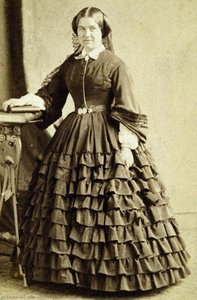
louis-auguste bisson and auguste-rosalie bisson
1814 - 1876 , France
Quick Facts
- Artistic Movement Or Style: Daguerreotype Photography
- Artists Or Movements Influenced By This Artist: ['Romanticism']
- Artists Who Influenced This Artist: ['Daguerre']
- Date Of Birth: Paris, France (1814)
- Date Of Death: 1876
- Full Name: Louis-Auguste Bisson and Auguste-Rosalie Bisson
- Nationality: French
- Notable Artworks:
- Glacier des Bossons
- Portrait of Frédéric Chopin
- Place Of Birth: Paris

