

 Preview
 Send
Send Share
Share
 Details

 Download
 Similars
 X-Ray
X-Ray Diaporama
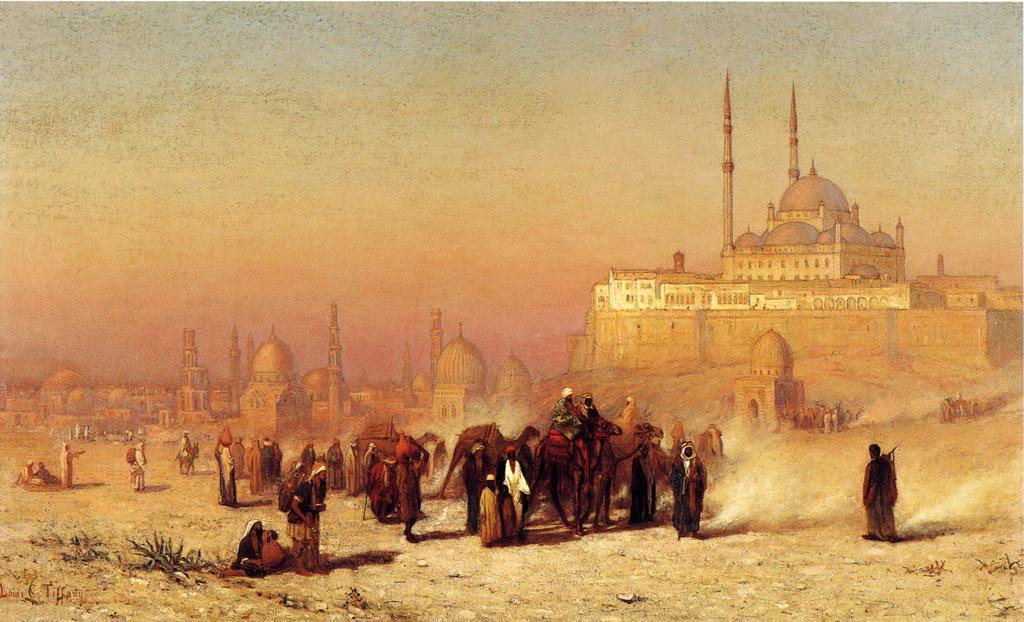
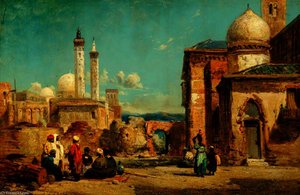
On the Way between Old and New Cairo, Citadel Mosque of Mohammed Ali, and Tombs of the Mamelukes


 Read More
Purchase a high-resolution, enhanced digital image, far superior to the online preview.
Each file is meticulously prepared by our in-house specialists using advanced tools and expert manual retouching. We ensure every image has exceptional clarity, precise color accuracy, and fine detail.
The final file is delivered via email within 72 hours, optimized for immediate use in professional, editorial, and print environments. This is the same quality trusted by top-tier design studios, publishers, and galleries.
Digital Image
Download a high-resolution file for personal display, printing, and creative projects. ( Buy Print Buy Hand Made Painting)
Included in Every Digital Image Order
Expert Digital Delivery, Guaranteed
When you choose ArtsDot.com, you're not just getting an image - you're receiving a professionally enhanced digital artwork, crafted with precision and backed by a satisfaction guarantee. Here's everything that comes with your order, automatically:

Fast Email Delivery
Your high-resolution digital image file will be emailed to you within 72 hours of ordering - ready for immediate use.

AI-Enhanced Digital File
Your artwork is professionally optimized using advanced AI tools and manual editing, ensuring maximum detail, clarity, and color accuracy.

Free Lifetime Re-Delivery
Accidentally deleted or lost your file? No worries - we'll resend it to you anytime, free of charge.

No Import Fees - Ever
Enjoy your artwork instantly with zero customs, duties, or delivery fees - digital downloads are always tax-free.

Color Accuracy Guarantee
We ensure your digital image reflects the original colors as closely as possible using professional tools and color management.

60-Day Satisfaction Guarantee
If you're not satisfied with your digital image, we'll revise it or refund 100% within 60 days - no questions asked.

100% Money-Back Guarantee
Not satisfied? Get a full refund within 60 days of receiving your digital file - no questions asked.

Bulk Order Discounts
Buy 3 images, save 10% - Buy 5, save 15% - Buy 10+, save 20%. Great for creative projects, galleries, and agencies.
Collectible Description
A Glimpse of Ancient Echoes: Louis Comfort Tiffany’s “On the Way Between Old and New Cairo”
Louis Comfort Tiffany's "On the Way Between Old and New Cairo" is more than just a painting; it’s a vibrant portal to 19th-century Egypt, capturing a fleeting moment of urban life amidst layers of history. Completed in 1872, this oil on canvas transports us to the bustling streets of Cairo, a city poised between its ancient past and burgeoning modernity. Tiffany, deeply influenced by his travels and a fascination with the Orient, skillfully blends observation with artistic license, creating an image brimming with movement, light, and a palpable sense of adventure. The scene isn’t a literal depiction of a specific event but rather a carefully constructed tableau – a romanticized vision of Cairo's vibrant energy, reflecting the era’s burgeoning interest in the exotic East.
Impressionistic Light and a Symphony of Color
Tiffany’s technique is immediately striking. He employs an Impressionistic approach, prioritizing the capture of light and atmosphere over precise detail. The painting isn't rendered with sharp lines or photographic accuracy; instead, it’s built upon layers of translucent color—a hallmark of Tiffany’s work. Notice how he uses shimmering blues and greens to evoke the heat haze rising from the desert sands, while warmer tones suggest the sun-drenched buildings and the rich fabrics worn by the figures. The artist masterfully utilizes broken brushstrokes and a technique known as “glazing,” applying thin layers of color over each other to create depth and luminosity. This layering is particularly evident in the depiction of the Citadel Mosque of Mohammed Ali, where light seems to filter through the intricate stonework, casting dramatic shadows and highlighting architectural details.
The composition itself is dynamic, drawing the eye across the scene. The central figure on horseback, a prominent element, commands attention while simultaneously contributing to the overall sense of movement. The inclusion of camels, donkeys, and pedestrians adds to this feeling, suggesting a vibrant marketplace or a busy thoroughfare. Tiffany’s choice of subjects—a mix of locals and travelers—underscores Cairo's role as a crossroads of cultures and a hub for trade and exploration.
A Window into the 1870s: Context and Symbolism
“On the Way Between Old and New Cairo” was created during a period of significant change in Egypt. The opening of the Suez Canal in 1869 dramatically altered global trade routes, transforming Cairo into a vital port city. This event fueled an intense fascination with Egyptian culture among Europeans, leading to a surge in travel, art, and literature inspired by the region. Tiffany’s painting reflects this zeitgeist, capturing the excitement and optimism surrounding Egypt's newfound prominence on the world stage. The inclusion of both ancient monuments like the Citadel Mosque and modern elements—the tombs of the Mamelukes—symbolizes Cairo’s layered history and its ongoing evolution.
The figures themselves are imbued with symbolic meaning. The wealthy traveler on horseback represents European exploration and ambition, while the local inhabitants embody the enduring traditions of Egypt. The overall scene suggests a harmonious blend of past and present, tradition and modernity—a theme that resonated deeply with Tiffany’s artistic vision.
A Legacy Preserved: Owning a Reproduction
Today, “On the Way Between Old and New Cairo” resides in the Brooklyn Museum, a testament to Tiffany's enduring legacy. ArtsDot offers meticulously crafted oil painting reproductions of this masterpiece, allowing art lovers to bring a piece of Egyptian history into their homes. These high-quality reproductions capture not only the visual beauty of the original but also its emotional depth and historical significance. Whether you’re an admirer of Impressionism, a collector of fine art, or simply seeking to add a touch of exotic elegance to your interior design, a reproduction of “On the Way Between Old and New Cairo” is a captivating addition to any collection.
Related Artworks


Artist Biography
A Life Illuminated: The Art of Louis Comfort Tiffany
Born into a world of established luxury as the son of Charles Lewis Tiffany, founder of the renowned Tiffany & Co., Louis Comfort Tiffany (1848-1933) defied expectations by forging his own path not in commerce, but in the realm of art. While destined for privilege, young Louis harbored a deep passion for painting, initially studying under George Inness and Samuel Colman, absorbing the tenets of Romanticism and an appreciation for exotic landscapes – influences vividly apparent in early works like “Snake Charmer at Tangier, Africa.” This foundational training instilled within him not just technical skill, but a sensitivity to color, light, and atmosphere that would later define his revolutionary contributions to decorative arts. His artistic education continued with studies at the National Academy of Design and under Leon-Adolphe-Auguste Belly, further refining his skills before a pivotal shift in focus began to take shape around 1875.The Genesis of Innovation: From Painting to Glass
Tiffany’s trajectory took an unexpected turn as he became increasingly captivated by the possibilities of glassmaking. This wasn't merely a change in medium, but a complete reimagining of what glass *could* be. Dissatisfied with the prevailing standards of contemporary glass production, which he found lacking in artistic merit and originality, Tiffany embarked on a quest to elevate it to the level of fine art. A brief yet significant collaboration with Candace Wheeler, Samuel Colman, and Lockwood de Forest within “Louis Comfort Tiffany and Associated American Artists” (1879-1884) provided an early platform for experimentation and shared artistic vision. However, it was the establishment of his own glass factory in Corona, New York, that truly unleashed his creative potential. This wasn’t simply a manufacturing facility; it was a laboratory where he relentlessly pursued new techniques and effects. A landmark commission – the interior design work for Mark Twain's iconic house in Hartford, Connecticut (1881) – served as an early showcase of his burgeoning decorative arts skills, hinting at the opulent aesthetic that would soon become synonymous with his name.Revolutionizing Glass: Techniques and Aesthetic
Tiffany’s legacy rests upon a series of groundbreaking innovations that fundamentally altered the landscape of glass art. Perhaps most significant was the development of the “copper foil” technique, a method of wrapping each piece of glass in copper foil before soldering them together. This ingenious approach allowed for intricate designs and unprecedented detail, surpassing the limitations of traditional lead came methods. But Tiffany didn’t stop there. He pioneered Favrile glass – a term derived from the Old English word *fabrile* meaning “hand-wrought” – characterized by its iridescent surface and vibrant, hand-blown quality. This wasn't mass production; each piece was unique, imbued with the artist’s touch. His exploration of opalescent glass further expanded his artistic palette, creating ethereal effects and a distinctive aesthetic that captured the imagination of the public. These innovations weren’t merely technical achievements; they were integral to his embrace of the Art Nouveau movement, characterized by flowing lines, organic motifs, and an unwavering emphasis on decorative beauty.A Lasting Legacy: Impact and Influence
Louis Comfort Tiffany stands as a towering figure in American art history, widely considered the most significant contributor to both the Art Nouveau and Aesthetic movements within the United States. His work transcended the boundaries of craft, elevating decorative arts to the status of fine art – a radical concept at the time. The impact of his innovations extended far beyond stained glass; they influenced interior design, jewelry making, ceramics, and countless other artistic disciplines. Today, Tiffany’s creations are celebrated in museums worldwide, including the New Orleans Museum of Art and the Bergstrom-Mahler Museum of Glass, serving as testaments to his enduring genius. His designs continue to inspire artists and designers, with reproductions and prints readily available, allowing a new generation to experience the beauty and innovation of his work. Tiffany didn’t just create objects; he crafted experiences, transforming spaces into immersive environments of color, light, and artistry. He left an indelible mark on the aesthetic landscape of the late 19th and early 20th centuries, a legacy that continues to illuminate our world today.Beyond Glass: A Multifaceted Artist
While celebrated for his glasswork, it’s crucial to remember Louis Comfort Tiffany was a remarkably versatile artist. He wasn't solely focused on stained-glass windows and lamps; he also excelled in mosaics, blown glass, ceramics, jewelry, enamels, and metalwork. His approach was holistic, believing that all elements of an interior should harmonize to create a unified aesthetic experience. This philosophy is evident in his numerous commissions for private residences and public spaces, where he meticulously designed every detail – from the furniture and textiles to the lighting and decorative accents. He even ventured into landscape design, applying his artistic sensibilities to outdoor environments. His commitment to total design—a concept ahead of its time—solidified his position as a true visionary, shaping not just individual objects but entire ways of living and experiencing beauty.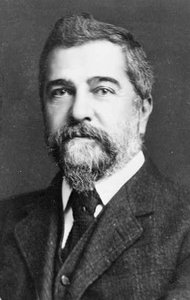
Louis Comfort Tiffany
1848 - 1933 , United States of America
Quick Facts
- Artistic Movement Or Style: Art Nouveau
- Artists Or Movements Influenced By This Artist:
- Art Nouveau
- Aesthetic Movement
- Artists Who Influenced This Artist:
- George Inness
- Samuel Colman
- Leon Belly
- Date Of Birth: February 18, 1848
- Date Of Death: January 17, 1933
- Full Name: Louis Comfort Tiffany
- Nationality: American
- Notable Artworks:
- Snake Charmer at Tangier
- Portiere
- Place Of Birth: New York, USA

