 Preview
 Send
Send Share
Share
 Details

 Download
 Similars
 X-Ray
X-Ray Diaporama
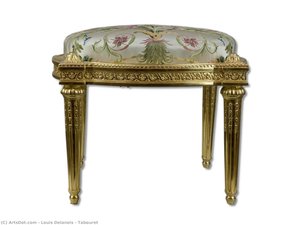
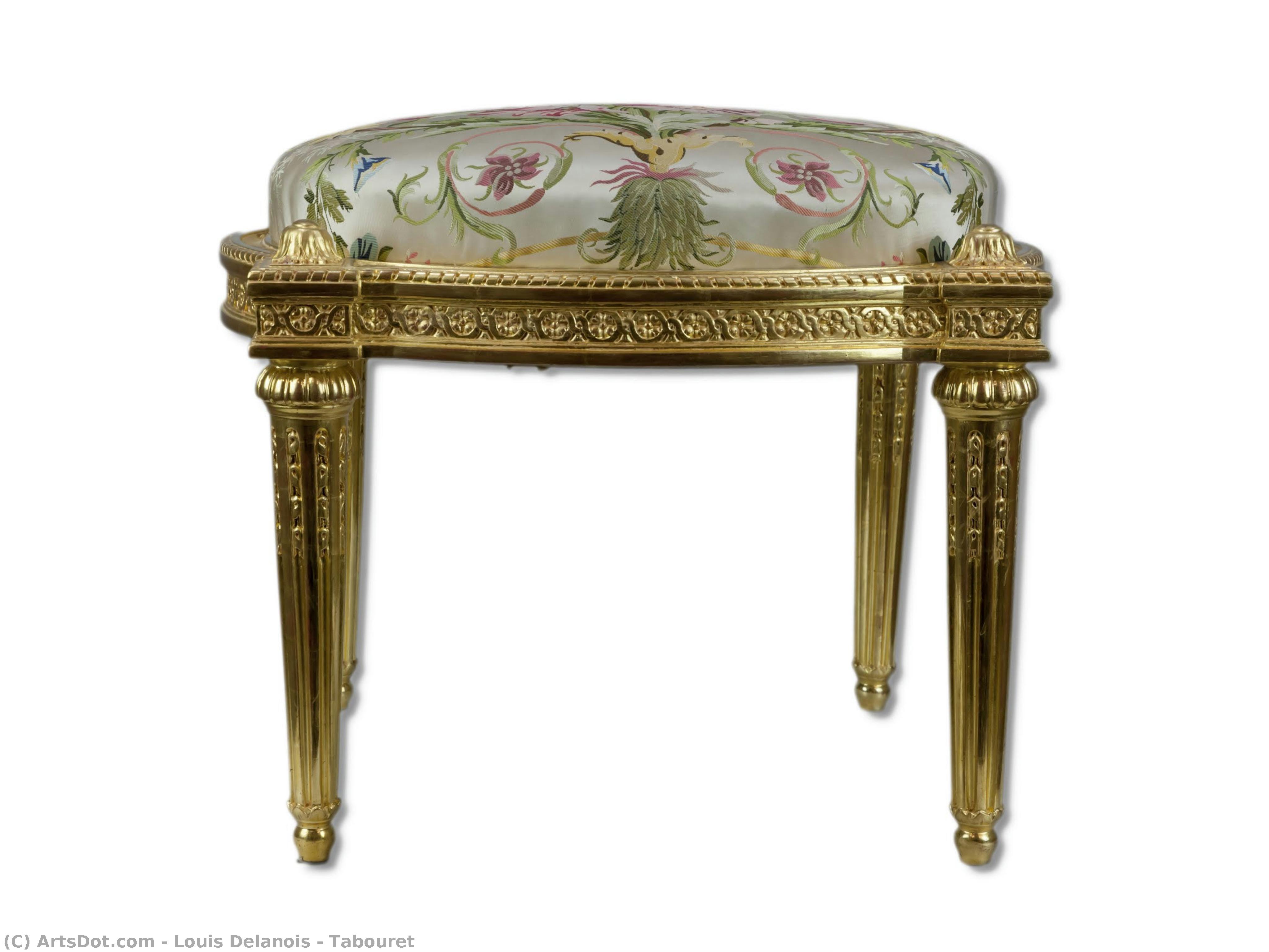
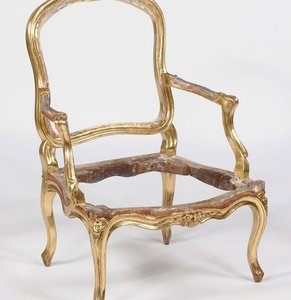
Tabouret


 Read More
Hand Made Oil Reproduction
Hand-painted oil on canvas in your size and frame, made to order by our artists. ( Buy Print Buy Image)




































Pick from our preset sizes that match the artwork's original proportions.

You may enter your own dimensions to fit a specific frame or space. If your selected size does not match the original image's proportions, we will either crop the artwork or extend the painting with additional hand-painted elements. A digital mockup will be sent for your approval before production begins.
Please note that the on-screen preview does not reflect the actual cropping or extension. Only the mockup will accurately show the final composition.
While custom sizes are available, we recommend selecting a dimension from the predefined list to preserve the original proportions.
After order, ArtsDot.com team will email client for instructions and provide a mockup preview
Worldwide Delivery () in 3/4 weeks instead of standard 5 weeks. (22 August). No compromise on quality.

Free Worldwide Express Shipping

High-Quality Linen Canvas

Full Shipping Insurance

Customs Tax Refund Guarantee

True Color Matching Guarantee

60-Day Return Policy (Defects Only)

100% Money-Back Guarantee

Bulk Discount Offer
 Glass option is only available in size under 110 CM

Tabouret
Reproduction Medium
Reproduction Size
-


Total Price
$ 263
Related Artworks




Artist Biography
Louis Delanois: The Parisian Menuisier Bridging Rococo and Neoclassicism
Born in the heart of Paris in 1731, Louis Delanois emerged as a pivotal figure in the late 18th-century French furniture world. More than simply a craftsman, he was a menuisier – a specialist in seat furniture – who skillfully navigated the shifting tastes between the opulent excesses of Rococo and the burgeoning elegance of Neoclassicism. His life, though tragically ending in bankruptcy, offers a fascinating glimpse into the dynamic artistic landscape of pre-revolutionary France, showcasing his talent, ambition, and ultimately, the challenges faced by even the most esteemed artisans.
Delanois’s career unfolded during a period of profound transition within French design. The reign of Louis XV had witnessed the height of Rococo style – characterized by asymmetrical forms, delicate ornamentation, and a celebration of natural motifs. However, as the 1760s progressed, a reaction against this perceived frivolity began to emerge, fueled by archaeological discoveries in Italy that sparked an admiration for ancient Greek and Roman aesthetics. This shift towards Neoclassicism, emphasizing symmetry, restraint, and classical proportions, profoundly influenced Delanois’s work.
Delanois quickly established himself as the most important menuisier of his era, a master capable of seamlessly blending these two distinct styles. His workshops produced furniture for some of the most influential figures of the time – Madame du Barry, a favored mistress of Louis XV and a significant patron of the arts; the Comte d’Artois, brother to the King; Philippe, Duc de Chartres; and the powerful Duke of Condé. Furthermore, his creations found their way into foreign courts, including those of the King of Poland and the Duke of Dorset, demonstrating Delanois's international renown. The survival of his manuscript account book in the Archives de la Seine provides invaluable insight into his business practices and clientele – a testament to his considerable success.
The ‘Cul de Four’ and Delanois’ Signature Style
Delanois is particularly renowned for his “cul de four” (literally, “end of the oven”) seat furniture. This distinctive style involved constructing seats from multiple layers of wood, creating a remarkably solid and durable foundation. The technique resulted in a subtly curved, almost sculpted appearance – a hallmark of Delanois’s work. These pieces were not merely functional; they were designed to be visually arresting, showcasing intricate marquetry, gilded accents, and carefully chosen veneers.
The ‘cul de four’ construction allowed for greater freedom in design than traditional methods, enabling Delanois to create furniture with a remarkable sense of volume and depth. He skillfully employed exotic woods – such as amarante, rosewood, and ebony – often combining them with ivory and mother-of-pearl to achieve stunning visual effects. The meticulous attention to detail and the masterful execution of these techniques cemented his reputation as one of the finest furniture makers of his generation.
Patronage and Artistic Influences
Delanois’s success was inextricably linked to his connections within Parisian high society. His patrons were not only wealthy but also influential, providing him with access to the latest trends in design and artistic inspiration. The influence of Jean-Henri Riesener, a prominent ébéniste during this period, is evident in Delanois's work – particularly in the use of elaborate marquetry and gilded ornamentation.
Furthermore, the rediscovery of classical antiquity played a crucial role in shaping his aesthetic sensibilities. The discovery of Roman ruins in Pompeii and Herculaneum sparked an intense interest in ancient Greek and Roman art and architecture, leading to a revival of Neoclassical design principles. Delanois embraced these influences, incorporating elements such as fluted columns, pediments, and classical motifs into his furniture designs.
A Tragic End: Bankruptcy and Legacy
Despite his considerable success, Delanois’s career ultimately ended in disappointment. In 1777, he attempted to diversify his business by venturing into the timber trade and property speculation – a risky move that proved disastrous. By 1789, he was bankrupt, a victim of economic instability and poor judgment.
However, Delanois’s legacy endures through his surviving furniture, which is now housed in prestigious collections such as the Metropolitan Museum of Art in New York and the Louvre in Paris. His work represents a crucial bridge between the Rococo and Neoclassical styles, embodying the elegance, sophistication, and artistic innovation that defined 18th-century French design. Louis Delanois remains a testament to the skill, ambition, and ultimately, the fragility of success within the vibrant world of Parisian art and commerce.
louis delanois
1731 - 1792 , France
Quick Facts
- Artistic Movement Or Style: Rococo & Neoclassical
- Artists Or Movements Influenced By This Artist: ['Louis XV furniture']
- Artists Who Influenced This Artist: ['None specified']
- Date Of Birth: 1731, Paris, France
- Date Of Death: 1792, Paris, France
- Full Name: Louis Delanois
- Nationality: French
- Notable Artworks: ['Tabouret']
- Place Of Birth: Paris, France