 Preview
 Send
Send Share
Share
 Details

 Download
 Similars
 X-Ray
X-Ray Diaporama
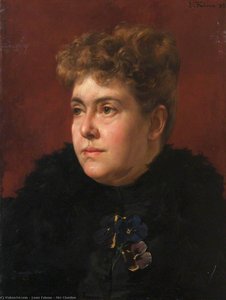
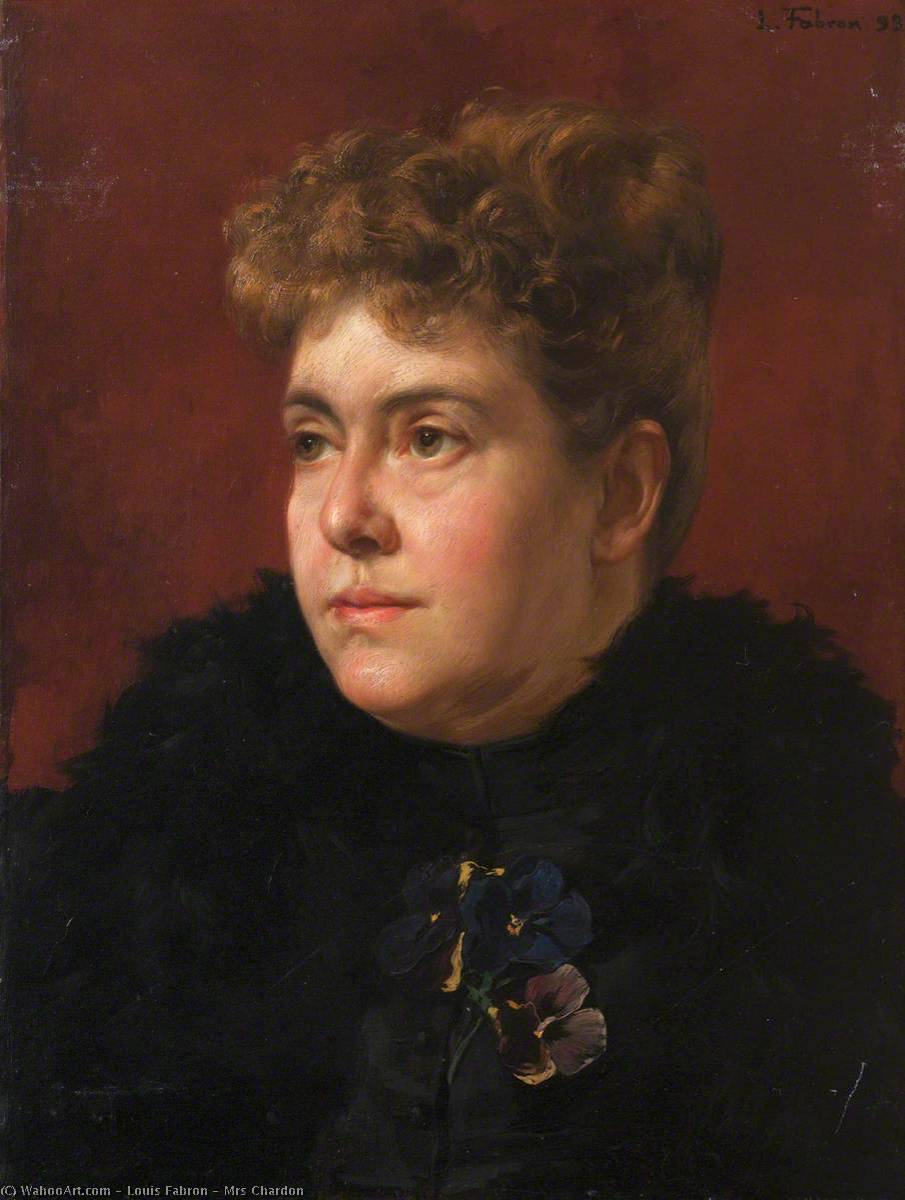
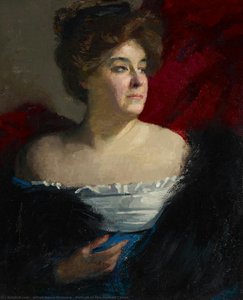
Mrs Chardon
 50.0 x 38.0 cm
 Read More
Hand Made Oil Reproduction
Hand-painted oil on canvas in your size and frame, made to order by our artists. ( Buy Print Buy Image)




































Pick from our preset sizes that match the artwork's original proportions.

You may enter your own dimensions to fit a specific frame or space. If your selected size does not match the original image's proportions, we will either crop the artwork or extend the painting with additional hand-painted elements. A digital mockup will be sent for your approval before production begins.
Please note that the on-screen preview does not reflect the actual cropping or extension. Only the mockup will accurately show the final composition.
While custom sizes are available, we recommend selecting a dimension from the predefined list to preserve the original proportions.
After order, ArtsDot.com team will email client for instructions and provide a mockup preview
Worldwide Delivery () in 3/4 weeks instead of standard 5 weeks. (16 August). No compromise on quality.

Free Worldwide Express Shipping

High-Quality Linen Canvas

Full Shipping Insurance

Customs Tax Refund Guarantee

True Color Matching Guarantee

60-Day Return Policy (Defects Only)

100% Money-Back Guarantee

Bulk Discount Offer
 Glass option is only available in size under 110 CM

Mrs Chardon
Reproduction Medium
Reproduction Size
-


Total Price
$ 263
Related Artworks
Artist Biography
Louis Fabron: Bridging Neoclassicism and Romantic Emotion
Louis Fabron (1855 – 1907) stands as a remarkable figure in late nineteenth-century American art, skillfully blending the stylistic rigor of Neoclassicism with the expressive fervor characteristic of Romanticism. Born in Paris, France, Fabron’s artistic journey began amidst the intellectual currents shaping European culture—a period marked by debates over artistic idealism versus realism and fueled by burgeoning interest in psychological portraiture. His formative years were spent absorbing the lessons of established masters like Jean-Auguste Dominique Ingres and Alexandre Cabanel, whose meticulous attention to detail and idealized representations profoundly impacted Fabron’s approach to painting. Fabron's early works demonstrate a dedication to classical principles—precise lines, balanced compositions, and muted palettes—reflecting the prevailing aesthetic sensibilities of his time. However, he swiftly moved beyond mere imitation, injecting emotional depth into his canvases that distinguished him from many of his contemporaries. This stylistic duality is particularly evident in portraits like “Francis Chardon’s Father” (1893), where Fabron captures not just physical likeness but also the subtle nuances of character and paternal affection. The painting utilizes a masterful blend of academic realism—characterized by meticulous rendering of textures and anatomical accuracy—with an expressive tonal range that conveys warmth and dignity. His collaboration with Horace John Abbot, another prominent portraitist of the era, resulted in several celebrated commissions showcasing Fabron’s ability to convey psychological complexity within a formal framework. Abbot's portraits often explored themes of introspection and moral contemplation, mirroring Fabron’s own artistic vision. Fabron skillfully employed rich browns and golds—a hallmark of Abbot’s technique—to imbue his canvases with an aura of sophistication and gravitas. Fabron’s influence extended beyond individual portraits; he championed the pursuit of “emotional truth” within academic painting—a controversial stance that challenged prevailing dogma. He argued passionately for artists to strive not merely for accurate representation but also for conveying genuine feeling, asserting that beauty resided in capturing the inner life of their subjects. This conviction solidified Fabron’s legacy as a pioneer of psychological portraiture and contributed significantly to the evolution of American art during the Gilded Age. Fabron's enduring contribution lies in his ability to synthesize disparate artistic traditions—classical precision and Romantic emotion—creating images that resonate with both intellectual rigor and profound human empathy. His paintings continue to captivate viewers today, serving as a testament to his artistic genius and his unwavering commitment to exploring the complexities of human experience. He remains an important artist for understanding the transition from Neoclassicism to Impressionism in America.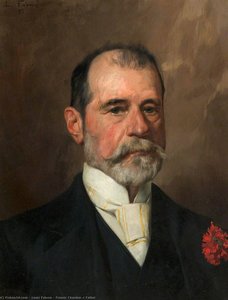
louis fabron
1855 - 1907
Quick Facts
- Artistic Movement Or Style: Academic Realism
- Artists Or Movements Influenced By This Artist: ['Romanticism']
- Artists Who Influenced This Artist: ['Anne-Louis Girodet']
- Date Of Birth: 1855
- Date Of Death: 1907
- Full Name: Louis Fabron
- Nationality: French
- Notable Artworks:
- Francis Chardon's Father
- Horace John Abbot
- Place Of Birth: Paris, France