 Preview
 Send
Send Share
Share
 Details

 Download
 Similars
 X-Ray
X-Ray Diaporama
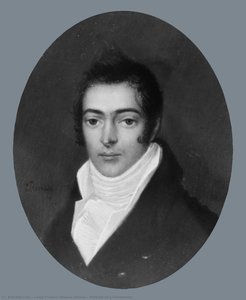
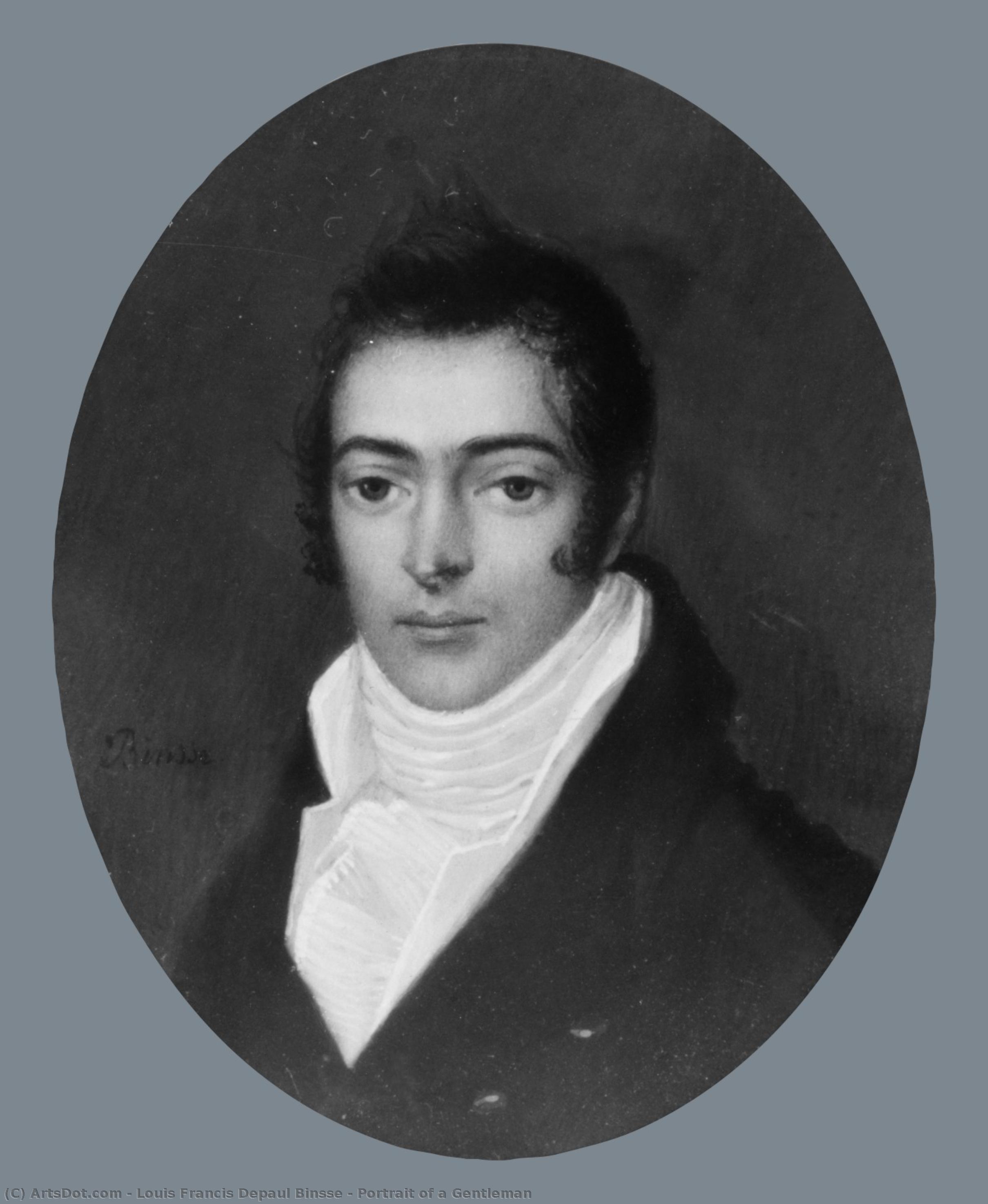
Portrait of a Gentleman
 1810
1810 7.0 x 6.0 cm
 Read More
Hand Made Oil Reproduction
Hand-painted oil on canvas in your size and frame, made to order by our artists. ( Buy Print Buy Image)




































Pick from our preset sizes that match the artwork's original proportions.

You may enter your own dimensions to fit a specific frame or space. If your selected size does not match the original image's proportions, we will either crop the artwork or extend the painting with additional hand-painted elements. A digital mockup will be sent for your approval before production begins.
Please note that the on-screen preview does not reflect the actual cropping or extension. Only the mockup will accurately show the final composition.
While custom sizes are available, we recommend selecting a dimension from the predefined list to preserve the original proportions.
After order, ArtsDot.com team will email client for instructions and provide a mockup preview
Worldwide Delivery () in 3/4 weeks instead of standard 5 weeks. (30 August). No compromise on quality.

Free Worldwide Express Shipping

High-Quality Linen Canvas

Full Shipping Insurance

Customs Tax Refund Guarantee

True Color Matching Guarantee

60-Day Return Policy (Defects Only)

100% Money-Back Guarantee

Bulk Discount Offer
 Glass option is only available in size under 110 CM

Portrait of a Gentleman
Reproduction Medium
Reproduction Size
-


Total Price
$ 263
Related Artworks









Artist Biography
A Delicate Hand: The Life and Art of Louis Francis Depaul Binsse
Louis Francis Depaul Binsse, a name perhaps less celebrated than some of his contemporaries, nevertheless occupies a fascinating niche in the world of early 19th-century French art. Born in Paris in 1774, Binsse dedicated himself to the intimate and refined arts of miniature and watercolor painting—a pursuit that reflected both the aristocratic tastes lingering from the Ancien Régime and the burgeoning Romantic sensibility beginning to take hold. While biographical details remain somewhat sparse, we know he flourished during a period of immense social and political upheaval, navigating the transition from the opulence of pre-revolutionary France through the Napoleonic era and beyond. His life, though not extensively documented, appears to have been one devoted to capturing the likenesses and fleeting moments of his time with remarkable skill and sensitivity.Early Career and Artistic Influences
Binsse’s artistic formation likely occurred within the established Parisian art circles, although specific teachers or formal training remain unconfirmed. The prevailing aesthetic climate of late 18th-century France heavily influenced his early work. The Rococo style, with its emphasis on delicate ornamentation and pastel hues, undoubtedly played a role in shaping his initial approach. However, Binsse’s paintings also reveal an awareness of the emerging Neoclassical movement, particularly in their clarity of line and attention to anatomical detail. He was not merely replicating existing styles; rather, he synthesized them into a uniquely personal expression. The influence of artists like Jean-Baptiste Greuze, known for his realistic portraiture, can be detected in Binsse’s commitment to capturing the individual character of his sitters. His early career coincided with a growing demand for smaller, more intimate portraits—a trend fueled by both economic realities and changing social preferences. Miniatures, in particular, became fashionable as keepsakes and tokens of affection, allowing individuals to carry cherished images of loved ones close at hand.A Portraitist of an Era
Binsse’s primary focus was portraiture, executed with a remarkable degree of finesse in both miniature and watercolor. His surviving works—such as the ‘Portrait of a Gentleman’ from 1810—demonstrate his mastery of technique and his ability to convey not only physical resemblance but also a sense of personality and inner life. He possessed an exceptional talent for rendering textures, capturing the sheen of silk, the warmth of skin tones, and the subtle play of light and shadow. His watercolors are particularly notable for their delicate washes and luminous quality. Beyond formal portraits, Binsse also created scenes depicting everyday life, offering glimpses into the customs and fashions of his era. Interestingly, documentation reveals a period where he served the French government in Haiti under Vicomte de Rochambeau before fleeing the island in 1806—an experience that likely broadened his perspective and may have subtly informed his artistic vision. This episode adds a layer of complexity to his biography, suggesting a life beyond the confines of the Parisian studio.Legacy and Historical Significance
Although Binsse did not achieve widespread fame during his lifetime, his work provides valuable insights into the art and society of early 19th-century France. His paintings offer a window into the lives of the individuals who commissioned them—members of the bourgeoisie, minor nobility, and perhaps even those connected to the political spheres of the time. His dedication to miniature painting helped preserve this art form during a period of transition, ensuring its continued relevance in an era increasingly dominated by larger-scale canvases. Binsse’s legacy lies not in groundbreaking innovation but in his exceptional skill and sensitivity as a portraitist. He was a master craftsman who captured the essence of his sitters with remarkable precision and grace. Today, his works are appreciated for their technical brilliance, historical significance, and enduring beauty—a testament to the power of delicate artistry in a turbulent age. His paintings serve as poignant reminders of a bygone era, offering glimpses into the lives, fashions, and sensibilities of those who lived through a period of profound change.
louis francis depaul binsse
1774 - 1844 , France
Quick Facts
- Artistic Movement Or Style: Miniature & Watercolor
- Date Of Birth: 1774
- Date Of Death: 1844
- Full Name: Louis Francis Depaul Binsse
- Nationality: French
- Notable Artworks: ['Portrait of a Gentleman']
- Place Of Birth: Paris, France