 Preview
 Send
Send Share
Share
 Details

 Download
 Similars
 X-Ray
X-Ray Diaporama
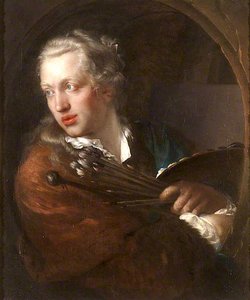
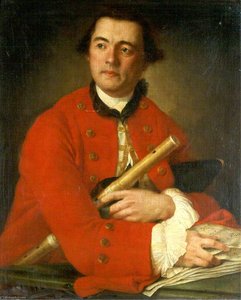
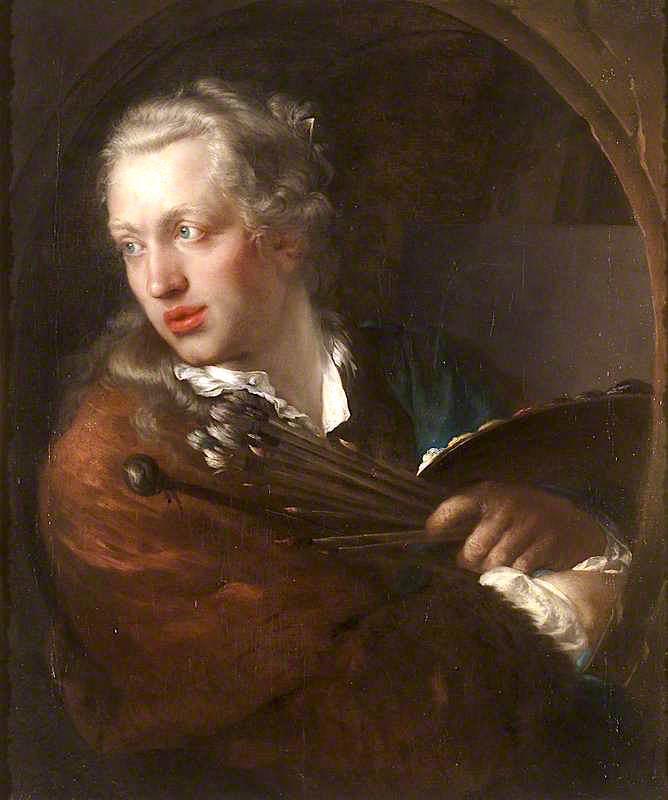
James Barry
 1770
1770 72.0 x 59.0 cm
 The Royal Society
 Read More
Hand Made Oil Reproduction
Hand-painted oil on canvas in your size and frame, made to order by our artists. ( Buy Print Buy Image)




































Pick from our preset sizes that match the artwork's original proportions.

You may enter your own dimensions to fit a specific frame or space. If your selected size does not match the original image's proportions, we will either crop the artwork or extend the painting with additional hand-painted elements. A digital mockup will be sent for your approval before production begins.
Please note that the on-screen preview does not reflect the actual cropping or extension. Only the mockup will accurately show the final composition.
While custom sizes are available, we recommend selecting a dimension from the predefined list to preserve the original proportions.
After order, ArtsDot.com team will email client for instructions and provide a mockup preview
Worldwide Delivery () in 3/4 weeks instead of standard 5 weeks. (21 August). No compromise on quality.

Free Worldwide Express Shipping

High-Quality Linen Canvas

Full Shipping Insurance

Customs Tax Refund Guarantee

True Color Matching Guarantee

60-Day Return Policy (Defects Only)

100% Money-Back Guarantee

Bulk Discount Offer
 Glass option is only available in size under 110 CM

James Barry
Reproduction Medium
Reproduction Size
-


Total Price
$ 263
Related Artworks
Artist Biography
Louis Gabriel Blanchet (1705–1772): A Visionary of Enlightenment
Louis Gabriel Blanchet, born in Paris in 1705, emerged as a prominent figure within the artistic landscape of the French Baroque era and transitioned seamlessly into the burgeoning neoclassical style that defined the Enlightenment. His career spanned decades, marked by prolific output across diverse mediums – painting, sculpture, and architectural design – establishing him as one of the most influential artists of his time. While biographical details remain somewhat sparse compared to contemporaries like James Barry, Blanchet’s legacy persists through his stunning canvases and enduring contributions to Parisian artistic culture.Early Life and Artistic Training
Little is known about Blanchet's formative years beyond confirming his birth in Paris. He apprenticed under Jean-Baptiste Simeon Lefèvre, a sculptor renowned for his monumental works adorning churches throughout France, providing him with invaluable experience in carving marble and bronze. This apprenticeship instilled within Blanchet a meticulous attention to detail and a profound understanding of classical sculptural principles – qualities that would subsequently permeate his own artistic endeavors. Lefèvre’s influence extended beyond technique; he fostered Blanchet's appreciation for humanist ideals and the pursuit of beauty as expressions of divine order, shaping his worldview and informing his artistic sensibilities.The Baroque Influence: Dramatic Narrative and Emotional Intensity
Blanchet initially honed his skills during the baroque period, absorbing the stylistic hallmarks of artists like Nicolas Frémiet and François Girardon. His early works demonstrate a fascination with theatrical grandeur and emotional depth—characteristics typical of the baroque tradition. Paintings such as “Saint George and the Dragon” exemplify this style, showcasing dynamic compositions, vibrant colors, and expressive brushstrokes designed to evoke visceral responses from viewers. Blanchet skillfully employed chiaroscuro – the dramatic interplay between light and shadow – to heighten visual impact and convey psychological nuance, mirroring the baroque preoccupation with conveying spiritual fervor and confronting mortality.Transition to Neoclassicism: Order and Reason
However, Blanchet’s artistic trajectory shifted decisively towards neoclassicism in the mid-1730s. Inspired by the rediscovery of classical sculpture and architecture—particularly Roman ruins—he embraced a stylistic ethos rooted in rationality and harmony. This transformation is evident in his monumental sculptures for Sainte-Marie-Madeleine basilica in Paris, where he meticulously recreated scenes from biblical narratives with unwavering adherence to sculptural conventions established centuries earlier. Unlike the baroque’s flamboyant ornamentation, Blanchet favored clean lines, balanced proportions, and muted palettes—reflecting the Enlightenment's emphasis on intellectual clarity and moral virtue. His neoclassical style championed idealized forms and serene expressions, aligning perfectly with the philosophical currents of his era.Notable Achievements and Legacy
Blanchet achieved considerable renown during his lifetime, securing commissions from royal patrons and establishing himself as a respected academician. He served as Directeur Général des Beaux-Arts under Louis XV, overseeing the revitalization of Parisian sculpture and fostering the training of aspiring artists. His sculptural contributions to Sainte-Marie-Madeleine basilica stand as testament to his artistic prowess and unwavering commitment to classical ideals—a project that cemented his reputation as one of France’s foremost sculptors. Furthermore, Blanchet's influence extended beyond monumental works; he mentored numerous students who went on to become prominent artists themselves, ensuring the continuation of neoclassical principles within French art. Louis Gabriel Blanchet remains a significant figure in artistic history, embodying the spirit of Enlightenment and leaving an indelible mark on Parisian sculpture and painting.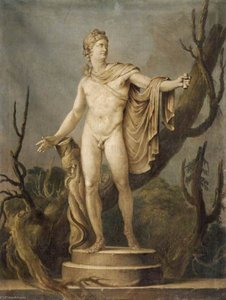
louis gabriel blanchet
1705 - 1772
Quick Facts
- Artistic Movement Or Style: Neoclassical Art
- Artists Or Movements Influenced By This Artist: ['Classical Art']
- Artists Who Influenced This Artist: ['James Barry']
- Date Of Death: 1772
- Full Name: Louis Gabriel Blanchet
- Nationality: French
- Notable Artworks:
- The Death of Socrates
- Portrait of Madame Vigée Le Brun
- Place Of Birth: Paris, France